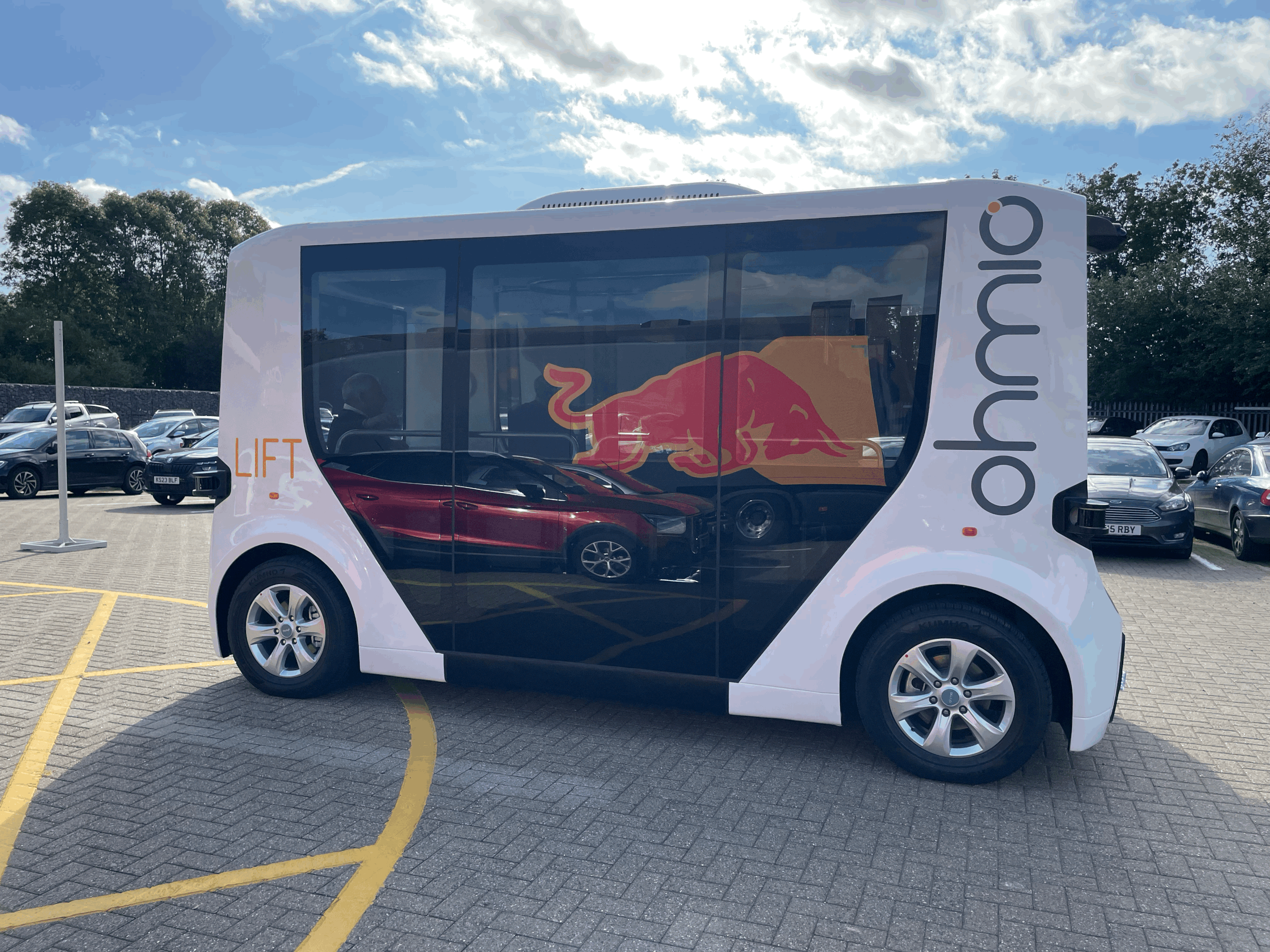
Smart City Consultancy: Turning Urban Ambitions into Practical Solutions
Cities face a growing range of challenges, from congestion and housing pressures to climate change, ageing infrastructure and unequal access to public services. Digital technology can help address some of these issues, but buying new systems is not a strategy in itself. Smart city consultancy helps local authorities, developers and public service organisations understand their needs, set clear priorities and plan solutions that work for the people who use them.
What is smart city consultancy?
Smart city consultancy is the work of advising organisations on how to make urban areas more connected, efficient, inclusive and sustainable. It brings together expertise in areas such as urban planning, data, technology, transport, energy, public services and community engagement.
The emphasis is not simply on installing sensors or creating digital platforms. A smart city project should respond to a real need, fit the wider urban context and deliver benefits that can be assessed over time. That might mean improving access to public transport, using energy more efficiently or helping services coordinate their work.
What does a smart city consultant do?
The scope of consultancy varies from one project to another. It may include:
- Assessing local needs: reviewing existing services, infrastructure, plans and data to identify priorities and gaps.
- Developing a strategy: setting objectives and creating a practical roadmap, with clear responsibilities and measures of success.
- Planning technology: evaluating options such as connected sensors, data platforms, digital services and intelligent transport systems.
- Supporting procurement: helping organisations define requirements, compare suppliers and avoid solutions that do not meet their needs.
- Improving data governance: establishing responsible approaches to data quality, access, security, privacy and sharing.
- Engaging communities: involving residents, businesses and service users so that plans reflect local experience and are accessible to different groups.
- Measuring outcomes: choosing indicators to track progress, such as service quality, emissions, journey times or user satisfaction.
Why cities seek specialist advice
Smart city programmes often involve many departments and organisations, each with different responsibilities and systems. Specialist advice can help bring these efforts together and connect technology decisions with broader goals, such as reducing emissions, supporting economic development or improving residents’ quality of life.
Consultants can also provide an independent perspective. They may help an organisation distinguish between a genuine operational need and a technology-led proposal, identify risks early and plan for ongoing costs such as maintenance, training and system upgrades.
Putting people at the centre
A city is not smart simply because it uses advanced technology. It is smart when its services respond effectively to people’s needs. This means considering accessibility, affordability and digital inclusion from the beginning.
Not everyone has reliable internet access, a suitable device or the confidence to use online services. Digital options should therefore complement, rather than automatically replace, other ways of accessing essential support. Consultation with residents can also reveal everyday problems that may not be visible in administrative data alone.
Data, privacy and trust
Data can help organisations understand how places and services are used, but collecting more data is not always better. Projects need a clear purpose for the information they gather, safeguards for personal data and transparent explanations of how information will be used.
Good data governance should be considered at the outset, not added as an afterthought. It includes deciding who can access information, how long it is retained, how it is protected and how decisions based on it can be reviewed. Building public trust is essential to the long-term success of smart city initiatives.
From pilot project to lasting change
Small-scale trials can be useful for testing ideas, but a successful pilot does not automatically make a successful city-wide service. Before expanding a project, organisations need to consider whether it can integrate with existing systems, who will operate it, what it will cost over its lifetime and how its benefits will be evaluated.
A clear implementation plan helps turn an initial concept into sustained improvement. It should set out governance, funding, procurement, technical requirements, staff responsibilities and an approach to monitoring results.
Choosing a smart city consultancy
When appointing a consultant, organisations should look for a strong understanding of both urban challenges and the technologies being considered. Relevant experience is important, but so is the ability to work across departments and engage constructively with residents and other stakeholders.
Useful questions include:
- How will the work be linked to local priorities and existing plans?
- How will residents and service users be involved?
- What assumptions, risks and ongoing costs will be assessed?
- How will data protection, security and accessibility be addressed?
- How will success be measured, and who will be responsible for doing so?
A practical route to smarter cities
Smart city consultancy is most valuable when it helps organisations make informed choices, coordinate their efforts and focus on outcomes rather than technology for its own sake. With clear objectives, responsible data practices and meaningful public engagement, digital tools can support more effective services and more liveable urban environments.
Understanding Smart City Consultancy: Services, Key Players, and Core Objectives
- What are smart city services?
- What is a smart city Deloitte?
- What companies are like smart city?
- What is the main purpose of a smart city?
What are smart city services?
Smart city services use digital technology, data and connected infrastructure to improve how a city works and how people experience it. They can include real-time public transport information, smarter energy and street lighting, digital access to council services, air-quality monitoring and systems that help manage traffic or waste collection. The aim is not to add technology for its own sake, but to make services more accessible, efficient and sustainable while protecting privacy and ensuring that people who are less digitally connected are not left behind.
What is a smart city Deloitte?
A “smart city” in Deloitte’s context is an urban area that uses digital technology, data and connected infrastructure to improve public services and residents’ quality of life. This can include smarter transport, energy, planning and public safety, with solutions designed to support sustainability and economic development. The aim is not technology for its own sake, but to use it to address a city’s priorities in a joined-up, measurable way.
What companies are like smart city?
Companies such as Smart City, which work across urban planning, digital infrastructure and technology-led public services, are part of a wider smart city consultancy sector. Depending on your needs, you could also explore urban planning and engineering consultancies, transport and energy specialists, technology integrators, and firms focused on data platforms or sustainability. Compare their relevant experience, local knowledge, approach to privacy and community engagement, and ability to deliver measurable results—not just the technologies they offer.
What is the main purpose of a smart city?
The main purpose of a smart city is to improve residents’ quality of life while making urban services and resources work more effectively. It uses thoughtful planning, data and technology to address local needs—from better transport and more efficient energy use to accessible public services and a healthier environment. The aim is not technology for its own sake, but a more liveable, inclusive and sustainable city.