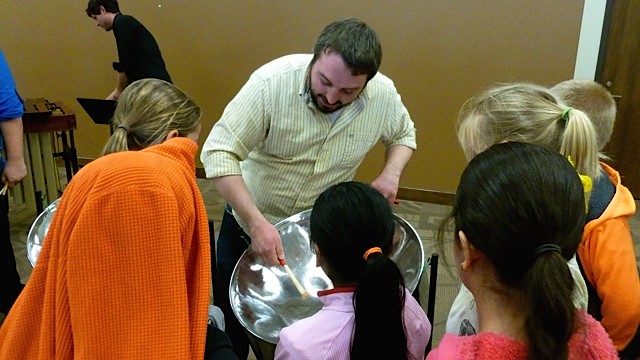
Outreach and Engagement: Building Stronger Communities
Outreach and engagement help bring people, organisations and local services together. They create opportunities to share information, listen to different perspectives and involve communities in decisions that affect them. When done well, outreach is not simply about passing on a message; it is about building trust and making participation meaningful.
What do outreach and engagement mean?
Outreach is the work of connecting with people who may not otherwise hear about a project, service or opportunity. It can include visiting neighbourhoods, attending local events, working with community groups or sharing information through accessible channels.
Engagement goes further. It involves listening to people, inviting their views and showing how those views inform decisions. Engagement can range from informal conversations to workshops, surveys, focus groups or ongoing partnerships.
Why does it matter?
Communities are diverse, and people experience their neighbourhoods in different ways. Early and inclusive engagement can help organisations understand local needs, identify concerns and develop solutions that are more practical and effective. It can also help prevent misunderstandings by giving people clear information about what is being proposed and what influence they can have.
For urban projects, this may mean speaking with residents about public spaces, transport, local services or changes to their area. The people who use a place every day often have valuable knowledge that may not be apparent from plans or data alone.
Making engagement inclusive
There is no single approach that works for everyone. Some people may prefer face-to-face conversations, while others may find online meetings or written feedback more convenient. Language, disability, caring responsibilities, work patterns, digital access and trust can all affect someone’s ability to take part.
Good outreach takes these barriers into account. Practical steps include:
- using clear, accessible language and explaining unfamiliar terms;
- offering several ways to participate, both online and in person;
- choosing suitable venues, times and formats;
- working with trusted local groups and community representatives;
- providing information in relevant languages and accessible formats; and
- making it clear how feedback will be used.
From listening to action
People are more likely to take part when they can see that their time and views are valued. This means closing the feedback loop: sharing what was heard, explaining what will happen next and being honest about which suggestions can or cannot be taken forward. If a decision has already been made, that should be stated clearly rather than presenting consultation as an open choice.
Engagement should also continue beyond a single meeting or survey. Keeping in touch as a project develops allows people to ask questions, understand changes and see how commitments are progressing.
Building lasting relationships
Effective outreach is based on respect, consistency and transparency. It recognises that communities are not all alike and that participation takes time. By listening carefully, removing barriers and responding openly, organisations can build relationships that support better decisions and stronger local connections.
Outreach and engagement are most successful when they are treated not as a one-off task, but as an ongoing part of working with communities.
9 Essential Tips for Effective Outreach Engagement
- Personalise each message to the recipient.
- Lead with a clear, relevant benefit.
- Keep your opening brief and friendly.
- Use the recipient’s preferred channel.
- Ask one simple, specific question.
- Follow up politely after a few days.
- Share useful resources, not just requests.
- Make it easy to reply or take action.
- Thank people and keep them updated.
Personalise each message to the recipient.
Personalise each message to the recipient so it feels relevant, thoughtful and worth their time. Use their name where appropriate, refer to their interests or previous involvement, and explain why the opportunity matters to them or their community. Avoid generic copy-and-paste messages: a genuine, specific invitation is more likely to build trust and encourage a response.
Lead with a clear, relevant benefit.
When reaching out, lead with a clear, relevant benefit so people can quickly understand why the message matters to them. Explain what they could gain, learn or influence, using specific, straightforward language rather than broad promises. A benefit that reflects the audience’s needs is more likely to capture attention and encourage meaningful engagement.
Keep your opening brief and friendly.
Keep your opening brief and friendly to help people feel at ease and make it clear why you’re getting in touch. Introduce yourself, explain the purpose in a few simple words, and give them space to respond. A warm, straightforward start can make the conversation feel welcoming rather than pressured.
Use the recipient’s preferred channel.
Use the recipient’s preferred channel to make outreach more convenient, personal and effective. Some people may prefer email, while others are more likely to respond to a phone call, text message, social media or a face-to-face conversation. Where possible, ask how they would like to be contacted, respect their choice and use that channel consistently. This helps build trust and makes it easier for people to take part.
Ask one simple, specific question.
When reaching out to someone, ask one simple, specific question rather than sending a long list. A clear question is easier to understand and answer, respects the other person’s time and helps keep the conversation focused. For example, instead of asking for general thoughts on a project, ask: “Which change would make this space easier for you to use?”
Follow up politely after a few days.
After making contact, allow a few days for the person to respond before following up. A brief, polite message can gently remind them of your invitation without making them feel pressured. Keep the tone friendly, acknowledge that they may be busy and make it easy for them to reply or decline. A considerate follow-up shows that you value their time and are genuinely interested in hearing from them.
Share useful resources, not just requests.
Share useful resources, not just requests. Outreach is more meaningful when people receive something of value, rather than being contacted only when you need their time, feedback or support. Offer practical information, helpful guides, local opportunities or links to relevant services, and make sure these resources are clear, accessible and genuinely useful to the people you are trying to reach. This helps build trust and encourages a two-way relationship.
Make it easy to reply or take action.
Make it easy for people to respond or take the next step by offering clear, simple options. Use a short survey, a direct email address, a phone number or a clearly labelled link, and explain exactly what to do and by when. Keep forms brief, avoid unnecessary steps and make sure the options work for people with different access needs. The easier it is to take part, the more likely people are to share their views and stay involved.
Thank people and keep them updated.
Thank people for sharing their time, experiences and ideas, and let them know how much their contribution is valued. Keep them updated on what happens next, how their feedback has been considered and any decisions or changes that result. Even when a suggestion cannot be taken forward, explain why. A timely, honest follow-up shows that listening was genuine and helps build trust for future engagement.