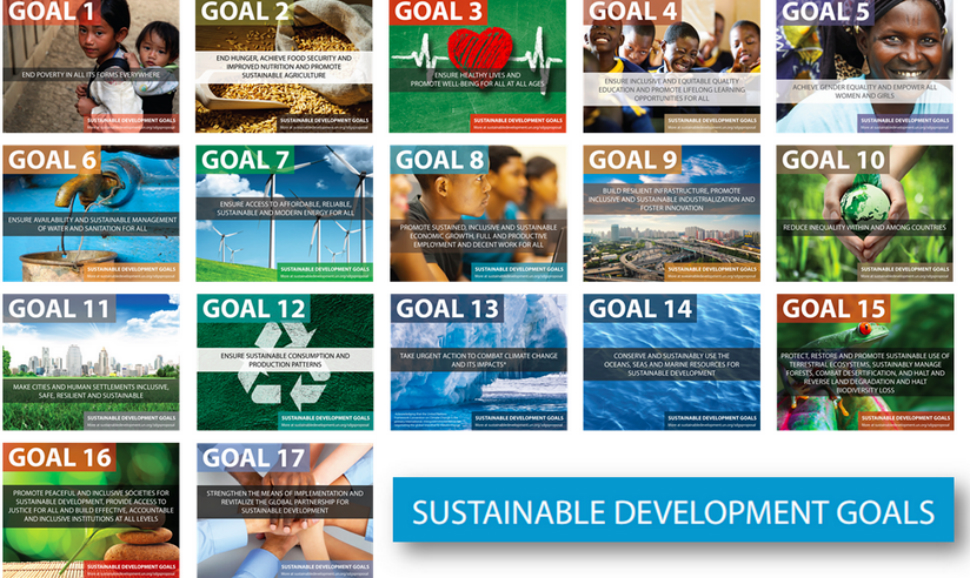
The 17 UN Sustainable Development Goals
The United Nations Sustainable Development Goals (SDGs) are a shared plan for improving people’s lives and protecting the planet. Adopted by all UN Member States in 2015 as part of the 2030 Agenda for Sustainable Development, the goals address global challenges including poverty, inequality, climate change, peace and access to essential services.
The 17 goals are interconnected: progress in one area can support progress in others. They apply to every country, and achieving them depends on action from governments, businesses, communities and individuals. Each goal is supported by specific targets and indicators used to track progress.
The 17 goals
- No Poverty: End poverty in all its forms everywhere, while improving access to social protection, resources and economic opportunities.
- Zero Hunger: End hunger, achieve food security and better nutrition, and promote sustainable agriculture.
- Good Health and Well-being: Support healthy lives and well-being for people of all ages, including through access to quality healthcare.
- Quality Education: Ensure inclusive and equitable quality education and promote lifelong learning opportunities for everyone.
- Gender Equality: Achieve gender equality and empower all women and girls, addressing discrimination and violence as well as barriers to participation.
- Clean Water and Sanitation: Ensure the availability and sustainable management of water and sanitation for all.
- Affordable and Clean Energy: Expand access to affordable, reliable, sustainable and modern energy.
- Decent Work and Economic Growth: Promote inclusive and sustainable economic growth, productive employment and decent work for all.
- Industry, Innovation and Infrastructure: Build resilient infrastructure, support sustainable industrial development and encourage innovation.
- Reduced Inequalities: Reduce inequality within and among countries, including by promoting social, economic and political inclusion.
- Sustainable Cities and Communities: Make cities and human settlements inclusive, safe, resilient and sustainable.
- Responsible Consumption and Production: Encourage sustainable patterns of consumption and production, reducing waste and using resources more efficiently.
- Climate Action: Take urgent action to address climate change and its impacts.
- Life Below Water: Conserve and sustainably use the oceans, seas and marine resources.
- Life on Land: Protect and restore terrestrial ecosystems, manage forests sustainably, combat desertification and halt biodiversity loss.
- Peace, Justice and Strong Institutions: Promote peaceful and inclusive societies, provide access to justice and build accountable institutions.
- Partnerships for the Goals: Strengthen global partnerships and mobilise the resources, knowledge and cooperation needed to achieve the goals.
Why the goals matter
The SDGs provide a framework for tackling issues that are closely linked. For example, access to quality education can improve employment prospects and reduce poverty, while clean energy can support public health and help limit climate change. Likewise, progress can be slowed when conflict, inequality or environmental damage prevents communities from accessing opportunities and essential services.
The goals are ambitious, and progress is uneven. Achieving them by 2030 requires sustained investment, effective public policy, international cooperation and meaningful participation from local communities. The SDGs are not only a set of global commitments; they are also a way to help governments and organisations set priorities, measure progress and work towards a fairer and more sustainable future.
8 Practical Tips for Supporting the UN Sustainable Development Goals in Everyday Life
- Save water and energy at home.
- Choose seasonal, plant-rich meals and reduce food waste.
- Walk, cycle or use public transport where possible.
- Buy less, repair items and recycle correctly.
- Support fair work and inclusive local businesses.
- Treat everyone equally and challenge discrimination.
- Protect nature by planting native species and avoiding litter.
- Volunteer, vote and support community projects for a fairer future.
Save water and energy at home.
Saving water and energy at home is a simple way to support the UN Sustainable Development Goals, particularly Goal 6, Clean Water and Sanitation, and Goal 7, Affordable and Clean Energy. Turn off taps while brushing your teeth, fix leaks, choose efficient appliances and switch off lights and electronics when they are not in use. Small everyday changes can reduce household bills, conserve valuable resources and help lower greenhouse gas emissions.
Choose seasonal, plant-rich meals and reduce food waste.
Choosing seasonal, plant-rich meals is a simple way to support several of the UN Sustainable Development Goals, including Zero Hunger, Responsible Consumption and Production, and Climate Action. Seasonal produce often needs less energy-intensive storage and transport, while meals centred on vegetables, pulses and grains can reduce the environmental impact of what we eat. Planning meals, storing food properly and using leftovers can also help cut food waste, saving money and making better use of the resources used to grow and prepare our food.
Walk, cycle or use public transport where possible.
Choosing to walk, cycle or use public transport where possible is a simple way to support the UN Sustainable Development Goals, particularly Goal 11: Sustainable Cities and Communities, and Goal 13: Climate Action. These options can reduce traffic congestion, air pollution and greenhouse gas emissions, while walking and cycling also help people stay active. Even replacing a few car journeys each week can make a positive difference; where public transport is limited, consider sharing journeys or combining errands to reduce unnecessary travel.
Buy less, repair items and recycle correctly.
Buying less, repairing items and recycling correctly are simple ways to support the UN Sustainable Development Goals, particularly Responsible Consumption and Production. Choosing durable goods and borrowing or reusing items can reduce waste and demand for raw materials. When something breaks, repairing it can extend its life; when it can no longer be used, check local recycling guidance so its materials are handled properly. Small everyday choices, multiplied across households and communities, can help conserve resources and reduce pressure on the environment.
Support fair work and inclusive local businesses.
Supporting fair work and inclusive local businesses helps create stronger, more sustainable communities. Choose local businesses that treat workers fairly, provide safe working conditions and offer equal opportunities, including to people who may face barriers to employment. When possible, buy locally produced goods and services, pay a fair price and support social enterprises and small businesses that benefit their communities. These choices contribute to the Sustainable Development Goals on decent work and economic growth, reduced inequalities, and sustainable cities and communities.
Treat everyone equally and challenge discrimination.
Treat everyone equally and challenge discrimination to help advance the UN Sustainable Development Goals, particularly Goal 5 on gender equality and Goal 10 on reducing inequalities. Respecting people’s rights and valuing their differences helps create safer, fairer communities where everyone can participate and access opportunities. Speak up when you witness unfair treatment, question stereotypes and support inclusive practices at home, at work and in your community.
Protect nature by planting native species and avoiding litter.
Protecting nature starts with simple actions close to home. Planting native species provides food and shelter for local wildlife, supports biodiversity and helps ecosystems thrive, while avoiding litter keeps green spaces, waterways and streets cleaner and safer for people and animals. Small everyday choices can make a lasting difference when communities work together.
Volunteer, vote and support community projects for a fairer future.
Volunteering your time, voting in elections and supporting local community projects are practical ways to help build a fairer, more sustainable future. These actions can strengthen communities, give people a voice in decisions and support progress towards the UN Sustainable Development Goals, particularly those focused on reducing inequality, creating inclusive communities and building effective partnerships. Whether you volunteer with a local organisation, choose leaders who take sustainable development seriously or contribute to a neighbourhood initiative, small actions can make a meaningful difference when people work together.