The World Health Organization’s Role in Achieving Sustainable Development Goals
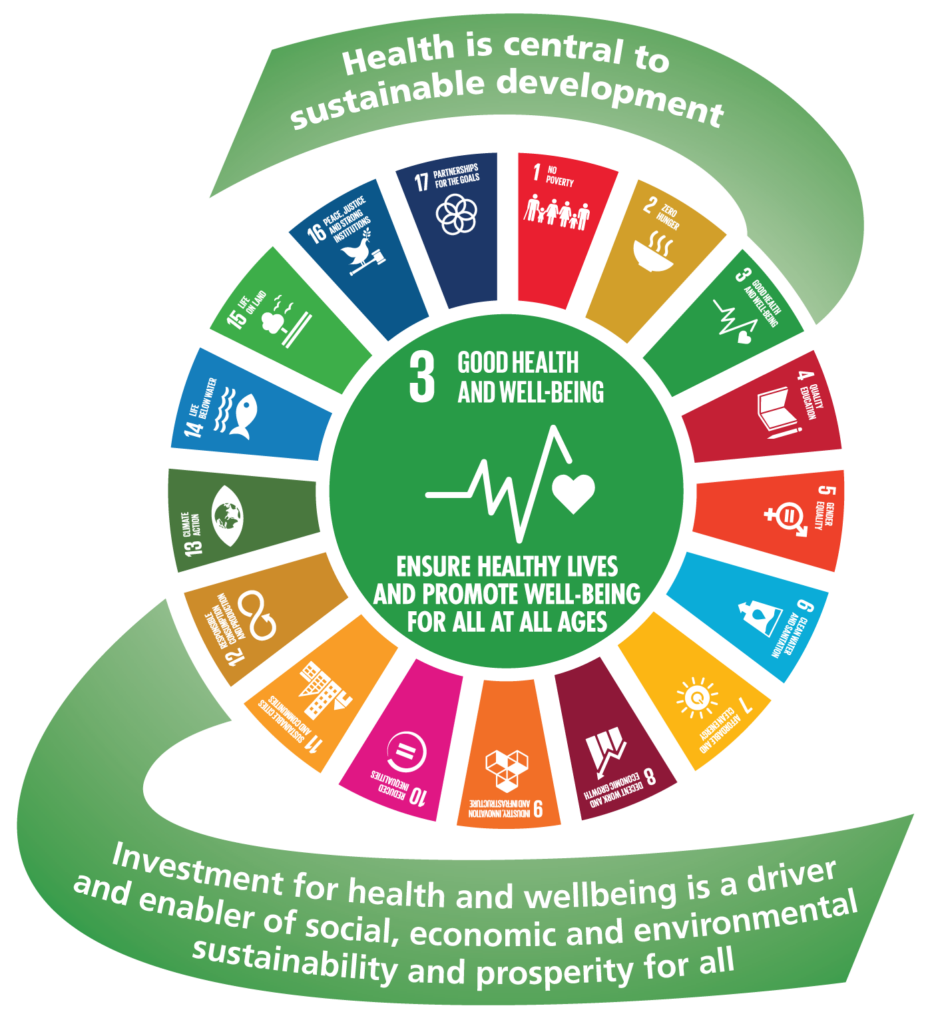
The World Health Organization (WHO) plays a crucial role in advancing global health and well-being through its commitment to the United Nations Sustainable Development Goals (SDGs). The SDGs are a set of 17 interconnected goals aimed at addressing various social, economic, and environmental challenges to create a more sustainable future for all.
WHO’s mandate aligns closely with several of the SDGs, particularly those related to health and well-being. Goal 3, “Good Health and Well-Being,” is at the core of WHO’s mission to ensure that everyone has access to quality healthcare services and lives a healthy life. By working towards this goal, WHO contributes significantly to improving overall global health outcomes.
In addition to Goal 3, WHO also supports other SDGs that are closely linked to health, such as Goal 2 (Zero Hunger), Goal 6 (Clean Water and Sanitation), Goal 13 (Climate Action), and Goal 17 (Partnerships for the Goals). These interconnected goals highlight the complex nature of global challenges and the need for collaborative efforts across sectors to achieve sustainable development.
Through its research, advocacy, capacity-building initiatives, and partnerships with governments and other stakeholders, WHO plays a critical role in advancing progress towards the SDGs. By focusing on key areas such as disease prevention, healthcare access, emergency response, and health system strengthening, WHO contributes to building resilient and sustainable health systems worldwide.
As we strive towards achieving the SDGs by 2030, it is essential to recognise the vital role that WHO plays in promoting global health equity and sustainability. By supporting WHO’s efforts and advocating for policies that prioritise health as a fundamental human right, we can move closer to realising a world where everyone has the opportunity to lead a healthy and fulfilling life.
9 Essential Strategies to Advance World Health Organization’s Sustainable Development Goals
- Support universal health coverage to ensure everyone has access to essential healthcare services without facing financial hardship.
- Promote healthy lifestyles by encouraging regular physical activity, balanced diets, and avoiding harmful substances.
- Advocate for mental health awareness and support to reduce stigma and improve access to mental healthcare services.
- Address environmental determinants of health by promoting clean air, water, and sanitation in communities worldwide.
- Ensure gender equality in healthcare access and treatment to achieve better health outcomes for all individuals.
- Strengthen health systems by investing in healthcare infrastructure, workforce training, and disease prevention programmes.
- Combat infectious diseases through vaccination programmes, surveillance systems, and effective response strategies.
- Promote research and innovation in healthcare to develop new treatments, technologies, and approaches for global health challenges.
- Collaborate with governments, NGOs, and other stakeholders to achieve the Sustainable Development Goals related to health collectively.
Support universal health coverage to ensure everyone has access to essential healthcare services without facing financial hardship.
Supporting universal health coverage is a fundamental step towards achieving the World Health Organization’s Sustainable Development Goals. By ensuring that everyone has access to essential healthcare services without experiencing financial hardship, we can create a more equitable and healthier world for all. Universal health coverage not only improves individual well-being but also contributes to overall societal resilience and prosperity. It is a crucial component in building sustainable health systems that can effectively address global health challenges and promote a future where quality healthcare is a right accessible to everyone, regardless of their economic status.
Promote healthy lifestyles by encouraging regular physical activity, balanced diets, and avoiding harmful substances.
Promoting healthy lifestyles is a key aspect of the World Health Organization’s Sustainable Development Goals agenda. Encouraging individuals to engage in regular physical activity, maintain balanced diets, and avoid harmful substances are crucial steps towards improving overall health and well-being. By adopting these practices, individuals can reduce the risk of chronic diseases, enhance their quality of life, and contribute to a sustainable future for themselves and their communities. The World Health Organization emphasises the importance of these lifestyle choices as part of its commitment to achieving global health equity and advancing towards a healthier, more resilient world for all.
Advocate for mental health awareness and support to reduce stigma and improve access to mental healthcare services.
Advocating for mental health awareness and support is crucial in reducing stigma and enhancing access to mental healthcare services, aligning with the World Health Organization’s Sustainable Development Goals. By raising awareness about mental health issues and promoting a supportive environment, we can create a more inclusive society where individuals feel empowered to seek help without fear of discrimination. Improving access to mental healthcare services ensures that everyone has the opportunity to receive the support they need, ultimately contributing to better overall well-being and advancing global efforts towards achieving sustainable development.
Address environmental determinants of health by promoting clean air, water, and sanitation in communities worldwide.
To advance the World Health Organization’s Sustainable Development Goals, it is crucial to address environmental determinants of health by advocating for clean air, water, and sanitation in communities globally. By promoting access to these essential resources, we can significantly improve public health outcomes, reduce the burden of diseases related to poor environmental conditions, and create a more sustainable future for all. Prioritising initiatives that ensure clean air, safe water sources, and proper sanitation facilities not only enhances individual well-being but also contributes to achieving broader goals of health equity and environmental sustainability on a global scale.
Ensure gender equality in healthcare access and treatment to achieve better health outcomes for all individuals.
Ensuring gender equality in healthcare access and treatment is crucial in achieving better health outcomes for all individuals. By addressing disparities and biases that affect access to healthcare services based on gender, we can create a more inclusive and equitable healthcare system. Promoting equal opportunities for men and women to receive quality care not only improves individual health outcomes but also contributes to overall societal well-being. The World Health Organization’s commitment to gender equality in healthcare aligns with its mission to advance global health and well-being through sustainable development goals, ultimately creating a healthier and more equitable world for everyone.
Strengthen health systems by investing in healthcare infrastructure, workforce training, and disease prevention programmes.
To advance the World Health Organization’s Sustainable Development Goals effectively, it is crucial to prioritise the strengthening of health systems through strategic investments in healthcare infrastructure, workforce training, and disease prevention programmes. By enhancing healthcare infrastructure, such as hospitals and clinics, ensuring a well-trained healthcare workforce, and implementing robust disease prevention initiatives, we can build resilient health systems that are better equipped to provide quality care, respond to health emergencies, and promote overall well-being for all individuals. These investments play a vital role in achieving sustainable development and improving global health outcomes in the long term.
Combat infectious diseases through vaccination programmes, surveillance systems, and effective response strategies.
Combatting infectious diseases is a critical aspect of achieving the World Health Organization’s Sustainable Development Goals. Through vaccination programmes, robust surveillance systems, and effective response strategies, significant progress can be made in preventing the spread of infectious diseases and protecting global health. By prioritising proactive measures such as immunisation campaigns, early detection through surveillance mechanisms, and swift responses to outbreaks, we can strengthen our defences against infectious diseases and work towards a healthier and more resilient world for all.
Promote research and innovation in healthcare to develop new treatments, technologies, and approaches for global health challenges.
Promoting research and innovation in healthcare is a vital strategy endorsed by the World Health Organization to address global health challenges effectively. By investing in cutting-edge research, developing new treatments, technologies, and innovative approaches, we can enhance healthcare outcomes worldwide. This commitment to advancing medical knowledge and solutions not only improves health services but also contributes to achieving sustainable development goals by ensuring access to quality care for all populations.
Collaborate with governments, NGOs, and other stakeholders to achieve the Sustainable Development Goals related to health collectively.
Collaboration with governments, NGOs, and other stakeholders is essential in achieving the Sustainable Development Goals related to health collectively. By working together towards common objectives, we can leverage diverse expertise, resources, and perspectives to address complex health challenges effectively. This collaborative approach not only fosters innovation and knowledge-sharing but also ensures that efforts are coordinated and sustainable in the long term. Through partnership and cooperation, we can amplify our impact and make significant strides towards building a healthier and more equitable world for all.