The Future of Renewable Energy Storage
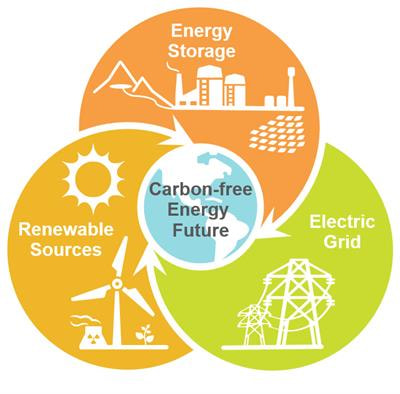
Renewable energy sources such as solar and wind power have gained significant traction in recent years as the world seeks to reduce its reliance on fossil fuels and combat climate change. However, one of the major challenges facing renewable energy is its intermittency – the sun doesn’t always shine, and the wind doesn’t always blow. This is where energy storage comes into play.
Energy storage technologies play a crucial role in enabling the widespread adoption of renewable energy. By storing excess energy generated during peak production periods, such as sunny days or windy nights, and releasing it when needed, energy storage systems help to balance supply and demand on the grid.
The Role of Batteries
Batteries are perhaps the most well-known form of energy storage technology. Advances in battery technology, particularly lithium-ion batteries, have made them increasingly cost-effective and efficient for storing renewable energy. Large-scale battery storage facilities can store excess electricity generated by solar panels or wind turbines and discharge it when needed, helping to stabilise the grid and improve overall reliability.
Pumped Hydro Storage
Another form of energy storage is pumped hydro storage. This involves using excess electricity to pump water uphill to a reservoir during times of low demand. When electricity is needed, water is released from the reservoir, flowing downhill through turbines to generate electricity. Pumped hydro storage is a proven technology with high efficiency levels and long lifespan.
Innovations in Energy Storage
Researchers and engineers are constantly exploring new innovations in energy storage to further enhance its capabilities. From flow batteries to compressed air energy storage systems, there is a wide range of technologies being developed to address different needs and applications in the renewable energy sector.
The Path Forward
As renewable energy continues to grow in importance, so too will the need for effective energy storage solutions. By investing in research and development, scaling up existing technologies, and integrating them seamlessly into our energy infrastructure, we can create a more sustainable and resilient energy system for the future.
9 Innovative Tips for Effective Renewable Energy Storage Solutions
- Invest in energy storage solutions such as batteries to store excess renewable energy.
- Consider using pumped hydro storage, which involves pumping water uphill to store energy and releasing it when needed.
- Explore the potential of compressed air energy storage by compressing air and storing it for later use.
- Look into flywheel energy storage systems that store kinetic energy in a rotating mass.
- Utilize thermal energy storage by storing heat or cold for later use in heating or cooling systems.
- Investigate the use of hydrogen as a form of renewable energy storage through electrolysis and fuel cells.
- Consider using flow batteries that store chemical energy in liquid electrolytes for long-duration storage.
- Explore the potential of supercapacitors for short-term, high-power applications in renewable energy storage.
- Integrate smart grid technologies to optimize the management of renewable energy generation and storage.
Invest in energy storage solutions such as batteries to store excess renewable energy.
Investing in energy storage solutions, such as batteries, is a key strategy to maximise the potential of renewable energy sources. By storing excess energy generated during peak production periods, batteries enable a more reliable and stable supply of electricity. This not only helps to balance the intermittent nature of renewable energy but also ensures that clean energy is available when needed most. Embracing energy storage technologies is essential for unlocking the full benefits of renewables and accelerating the transition towards a sustainable energy future.
Consider using pumped hydro storage, which involves pumping water uphill to store energy and releasing it when needed.
Consider incorporating pumped hydro storage into your renewable energy strategy. This innovative technology works by pumping water uphill during periods of excess energy production, effectively storing energy like a giant battery. When electricity demand is high, the stored water is released downhill through turbines to generate electricity. This method of energy storage is not only efficient and reliable but also has a proven track record of success in balancing grid demand and supply.
Explore the potential of compressed air energy storage by compressing air and storing it for later use.
Compressed air energy storage offers a promising solution for storing renewable energy by compressing air and storing it for later use. This innovative technology involves converting surplus electricity into compressed air, which is then stored in underground caverns or tanks. When electricity demand is high, the compressed air is released and expanded through turbines to generate electricity. By exploring the potential of compressed air energy storage, we can effectively store excess renewable energy and help balance the grid, contributing to a more sustainable and reliable energy system for the future.
Look into flywheel energy storage systems that store kinetic energy in a rotating mass.
Flywheel energy storage systems offer a promising solution for storing renewable energy by harnessing the power of kinetic energy in a rotating mass. These systems work by spinning a flywheel at high speeds to store energy and then releasing it when needed. By utilising the inertia of the rotating mass, flywheel energy storage systems can provide quick and efficient responses to fluctuations in energy supply and demand. This innovative technology holds great potential for enhancing the reliability and stability of renewable energy grids, paving the way for a more sustainable energy future.
Utilize thermal energy storage by storing heat or cold for later use in heating or cooling systems.
Utilising thermal energy storage is a smart strategy for enhancing renewable energy storage capabilities. By storing excess heat or cold generated from renewable sources, such as solar or geothermal energy, this stored energy can be utilised later on to provide heating or cooling when needed. Thermal energy storage systems help to improve the efficiency of heating and cooling systems by reducing the reliance on non-renewable energy sources during peak demand periods. This innovative approach not only promotes sustainability but also contributes to cost savings and overall energy resilience.
Investigate the use of hydrogen as a form of renewable energy storage through electrolysis and fuel cells.
Investigating the use of hydrogen as a form of renewable energy storage through electrolysis and fuel cells offers a promising solution to the challenge of storing excess energy generated from renewable sources. By using electricity generated from renewable sources to split water molecules into hydrogen and oxygen through electrolysis, hydrogen can be stored and later converted back into electricity through fuel cells when needed. This versatile and clean energy carrier has the potential to play a significant role in balancing supply and demand on the grid, paving the way for a more sustainable energy future.
Consider using flow batteries that store chemical energy in liquid electrolytes for long-duration storage.
When exploring options for renewable energy storage, one effective solution to consider is the use of flow batteries. These innovative systems store chemical energy in liquid electrolytes, allowing for long-duration storage capabilities. By harnessing the unique properties of flow batteries, such as scalability and flexibility, we can efficiently store excess renewable energy generated during peak production periods and release it when needed, contributing to a more stable and reliable energy grid.
Explore the potential of supercapacitors for short-term, high-power applications in renewable energy storage.
Supercapacitors present an exciting opportunity for short-term, high-power applications in renewable energy storage. Unlike traditional batteries, supercapacitors can rapidly store and release energy, making them ideal for situations where quick bursts of power are needed. By exploring the potential of supercapacitors in renewable energy storage, we can enhance the efficiency and reliability of our energy systems, paving the way for a more sustainable future powered by clean and renewable sources.
Integrate smart grid technologies to optimize the management of renewable energy generation and storage.
Integrating smart grid technologies is a crucial step towards optimising the management of renewable energy generation and storage. By leveraging advanced digital communication and control systems, smart grids enable real-time monitoring and coordination of energy production, consumption, and storage. This integration allows for more efficient use of renewable resources, better balancing supply and demand, and enhancing overall grid reliability. Smart grid technologies play a vital role in maximising the benefits of renewable energy storage systems, helping to create a more sustainable and resilient energy infrastructure for the future.