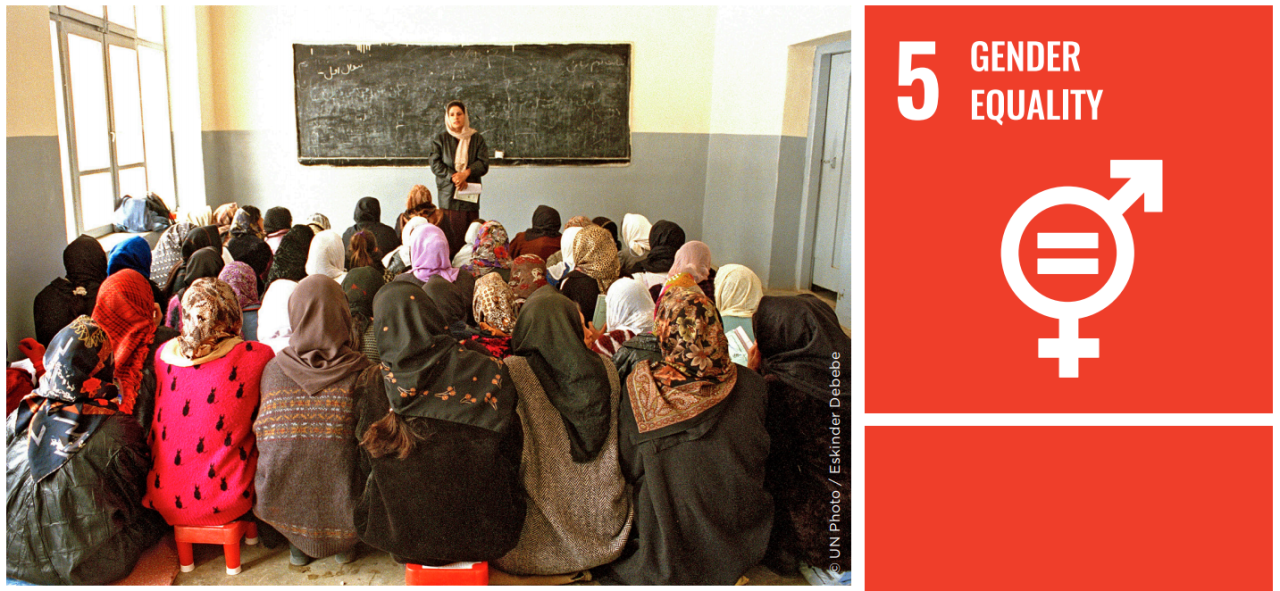
The Importance of UN Sustainable Development Goal 5
UN Sustainable Development Goal 5 (SDG 5) focuses on achieving gender equality and empowering all women and girls. This goal is crucial in creating a more inclusive and sustainable world where everyone has equal rights and opportunities regardless of gender.
Key Objectives of SDG 5
SDG 5 aims to:
- Promote gender equality in all aspects of life, including education, employment, and political representation.
- End discrimination and violence against women and girls.
- Ensure equal access to resources and opportunities for women and girls.
- Empower women to participate fully in decision-making processes at all levels.
The Impact of Gender Equality
Gender equality is not only a fundamental human right but also a necessary foundation for a peaceful, prosperous, and sustainable world. When women are empowered and have equal opportunities, societies thrive economically, socially, and politically.
Challenges Ahead
Despite progress in recent years, many challenges remain in achieving gender equality. Issues such as gender-based violence, unequal pay, limited access to education and healthcare for women and girls persist in various parts of the world.
Your Role in Achieving SDG 5
As individuals, communities, businesses, and governments, we all have a role to play in advancing SDG 5. By promoting gender equality in our daily lives, advocating for policy changes that support women’s rights, and supporting initiatives that empower women and girls, we can contribute to building a more inclusive society for all.
Five Key Benefits of Achieving UN Sustainable Development Goal 5: Advancing Gender Equality and Empowering Women and Girls
- Promotes gender equality and empowers women and girls.
- Helps create a more inclusive and diverse society.
- Leads to improved economic outcomes by tapping into the full potential of women.
- Reduces violence and discrimination against women and girls.
- Encourages equal access to education, healthcare, and opportunities for all genders.
Challenges Facing the Achievement of UN SDG 5: Overcoming Barriers to Gender Equality
- Resistance to change in traditional gender roles and societal norms may hinder progress towards achieving gender equality.
- Lack of adequate funding and resources allocated specifically for SDG 5 initiatives can limit their effectiveness.
- Deep-rooted cultural beliefs and practices that perpetuate gender inequality pose significant barriers to achieving the goals of SDG 5.
- Political instability and conflicts in certain regions can impede efforts to promote gender equality and empower women and girls.
- Insufficient data collection and monitoring mechanisms make it challenging to track progress accurately towards the targets set by SDG 5.
Promotes gender equality and empowers women and girls.
Promoting gender equality and empowering women and girls, as outlined in UN Sustainable Development Goal 5, is a crucial proponent of creating a fairer and more inclusive society. By ensuring that women have equal access to education, employment opportunities, and decision-making processes, we can unlock the full potential of half of the global population. Empowering women not only benefits them individually but also leads to positive societal impacts, including economic growth, improved health outcomes, and stronger communities. Embracing gender equality is not just a matter of fairness; it is a strategic imperative for building a more sustainable and prosperous future for all.
Helps create a more inclusive and diverse society.
UN Sustainable Development Goal 5 plays a crucial role in helping create a more inclusive and diverse society by promoting gender equality and empowering women and girls. When women have equal rights and opportunities, it leads to a more balanced representation of diverse perspectives in decision-making processes, ultimately fostering a society where everyone’s voices are heard and valued. Embracing gender equality not only benefits women but also contributes to the overall social fabric, leading to a more inclusive environment where individuals of all genders can thrive and contribute to the betterment of society as a whole.
Leads to improved economic outcomes by tapping into the full potential of women.
By promoting gender equality and empowering women, UN Sustainable Development Goal 5 leads to improved economic outcomes by tapping into the full potential of women. When women are given equal opportunities in education, employment, and entrepreneurship, they can contribute significantly to economic growth and development. By harnessing the skills, knowledge, and creativity of women, societies can achieve greater innovation, productivity, and prosperity for all.
Reduces violence and discrimination against women and girls.
By promoting gender equality and empowering women and girls, UN Sustainable Development Goal 5 plays a crucial role in reducing violence and discrimination against them. When women have equal rights and opportunities, they are less vulnerable to abuse and mistreatment. By addressing the root causes of gender-based violence and discrimination, SDG 5 helps create a safer and more inclusive society where women and girls can live free from fear and prejudice.
Encourages equal access to education, healthcare, and opportunities for all genders.
One of the key advantages of UN Sustainable Development Goal 5 is its emphasis on promoting equal access to education, healthcare, and opportunities for individuals of all genders. By prioritising gender equality in these essential areas, SDG 5 not only empowers women and girls but also benefits society as a whole. Ensuring that everyone has the same opportunities to learn, access healthcare services, and pursue their aspirations regardless of gender leads to a more equitable and prosperous world where individuals can reach their full potential without barriers based on gender stereotypes or discrimination.
Resistance to change in traditional gender roles and societal norms may hinder progress towards achieving gender equality.
Resistance to change in traditional gender roles and societal norms poses a significant challenge to the advancement of UN Sustainable Development Goal 5. Deep-rooted beliefs and cultural practices that perpetuate gender stereotypes can hinder efforts to achieve true gender equality. Overcoming this con requires not only policy changes but also a shift in mindset within communities and institutions to embrace diversity, promote inclusivity, and empower women and girls to break free from restrictive societal expectations. By addressing these barriers and fostering a culture of acceptance and respect for all genders, we can make meaningful strides towards creating a more equitable and inclusive society.
Lack of adequate funding and resources allocated specifically for SDG 5 initiatives can limit their effectiveness.
A significant drawback of UN Sustainable Development Goal 5 is the lack of adequate funding and resources allocated specifically for SDG 5 initiatives, which can severely limit their effectiveness. Without sufficient financial support, programmes aimed at promoting gender equality and empowering women and girls may struggle to achieve their intended impact. This funding gap hampers the implementation of crucial projects addressing issues such as gender-based violence, unequal access to education, and disparities in economic opportunities, hindering progress towards achieving true gender equality on a global scale.
Deep-rooted cultural beliefs and practices that perpetuate gender inequality pose significant barriers to achieving the goals of SDG 5.
Deep-rooted cultural beliefs and practices present a formidable challenge to the progress of UN Sustainable Development Goal 5. These ingrained norms perpetuate gender inequality by limiting the rights and opportunities available to women and girls. Cultural traditions that endorse discrimination, restrict access to education, or condone violence against women hinder efforts towards achieving gender equality. Overcoming these barriers requires a concerted effort to challenge and transform such beliefs, fostering a more inclusive society where all individuals, regardless of gender, can thrive and contribute equally.
Political instability and conflicts in certain regions can impede efforts to promote gender equality and empower women and girls.
Political instability and conflicts in certain regions pose a significant challenge to the advancement of UN Sustainable Development Goal 5. In areas affected by turmoil, efforts to promote gender equality and empower women and girls are often hindered or derailed altogether. The lack of stable governance and ongoing conflicts can exacerbate existing gender inequalities, limit access to education and healthcare for women, and increase the prevalence of gender-based violence. Addressing political instability and conflicts is essential to creating an environment where gender equality can flourish and all individuals have the opportunity to thrive.
Insufficient data collection and monitoring mechanisms make it challenging to track progress accurately towards the targets set by SDG 5.
An inherent challenge of UN Sustainable Development Goal 5 is the inadequacy of data collection and monitoring mechanisms, which hinders the accurate tracking of progress towards the targets outlined by SDG 5. Without comprehensive and reliable data, it becomes difficult to assess the effectiveness of initiatives aimed at promoting gender equality and empowering women and girls. This lack of robust monitoring mechanisms poses a significant obstacle in evaluating the impact of interventions and implementing evidence-based policies to address gender disparities effectively.