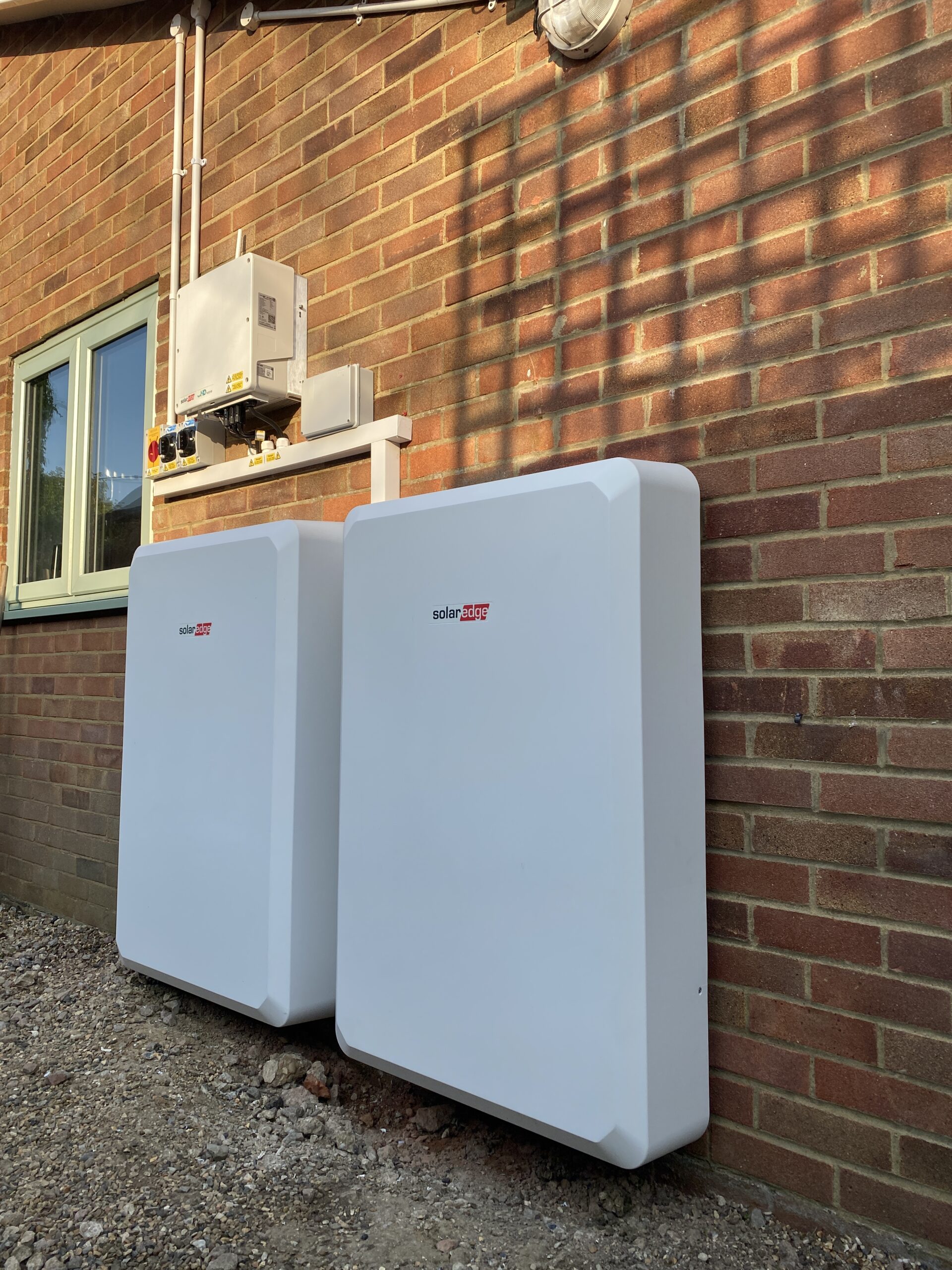
The Benefits of Home Solar and Battery Storage Systems
In recent years, there has been a growing interest in home solar and battery storage systems as more homeowners seek to reduce their carbon footprint and lower their energy bills. These systems offer a sustainable and cost-effective way to power homes while also providing greater energy independence. Let’s explore some of the key benefits of integrating solar panels with battery storage at home.
Energy Savings
By harnessing the power of the sun through solar panels, homeowners can significantly reduce their reliance on traditional grid electricity. Excess energy generated during the day can be stored in batteries for use during peak evening hours or when sunlight is limited. This can lead to substantial savings on electricity bills over time.
Energy Independence
Home solar and battery storage systems offer greater energy independence by allowing homeowners to generate and store their own electricity. This can be particularly advantageous during power outages or in areas with unreliable grid infrastructure. With a reliable backup power source, homeowners can ensure that essential appliances continue to function even during emergencies.
Environmental Benefits
Switching to solar energy reduces reliance on fossil fuels, leading to lower carbon emissions and a smaller environmental footprint. By generating clean, renewable energy at home, homeowners can contribute to mitigating climate change and promoting sustainability.
Increased Property Value
Homes equipped with solar panels and battery storage systems are often more attractive to potential buyers due to their energy efficiency and cost-saving benefits. Investing in renewable energy technologies can increase the resale value of a property while also appealing to environmentally conscious buyers.
Government Incentives
Many governments offer incentives, tax credits, or rebates for installing solar panels and battery storage systems at home. These financial incentives can help offset the initial cost of installation and make renewable energy more accessible to homeowners looking to go green.
In Conclusion
Home solar and battery storage systems offer numerous advantages for homeowners looking to embrace sustainable living practices while reducing their utility costs. By harnessing the power of the sun and storing excess energy for later use, these systems provide a reliable and eco-friendly alternative to traditional grid electricity.
Frequently Asked Questions About Home Solar and Battery Storage: Costs, Efficiency, and Expert Insights
- How much does a 10kW battery cost?
- How long will a 10kW battery power a house?
- Is it worth having battery storage with solar panels?
- Can you run a house on solar and battery?
- What does Martin Lewis say about solar panels?
- What is the 20% rule for solar panels?
- How many solar panels and batteries do I need to run my house?
How much does a 10kW battery cost?
One of the frequently asked questions regarding home solar and battery storage is, “How much does a 10kW battery cost?” The cost of a 10kW battery can vary depending on several factors such as the brand, quality, technology, and additional features included. On average, a 10kW battery for home energy storage can range from several thousand to tens of thousands of pounds. It is essential for homeowners considering this investment to conduct thorough research, consult with reputable suppliers, and evaluate the long-term benefits in terms of energy savings and sustainability before making a decision.
How long will a 10kW battery power a house?
One common question regarding home solar and battery storage systems is, “How long will a 10kW battery power a house?” The answer to this question depends on various factors, such as the energy consumption of the house, the efficiency of the battery system, and weather conditions affecting solar energy generation. In general, a 10kW battery can typically power an average-sized home for several hours to a few days, depending on the energy usage patterns and whether the battery is being used as a backup power source or as the primary energy storage solution. It’s essential for homeowners considering a battery system to consult with professionals to determine the optimal size and configuration based on their specific needs and circumstances.
Is it worth having battery storage with solar panels?
When considering whether it is worth having battery storage with solar panels, homeowners should weigh the benefits against their specific energy needs and goals. Battery storage can enhance the value of a solar panel system by allowing excess energy to be stored for later use, increasing energy independence and potentially reducing electricity bills further. However, the upfront cost of installing a battery system should be taken into account, along with factors such as local utility rates, energy consumption patterns, and any available government incentives. Ultimately, the decision to invest in battery storage alongside solar panels depends on individual circumstances and priorities in achieving sustainable and cost-effective energy solutions for the home.
Can you run a house on solar and battery?
Yes, it is possible to run a house entirely on solar power with the integration of battery storage systems. By installing solar panels on the roof to capture sunlight and converting it into electricity, homeowners can generate their own renewable energy. Excess energy produced during the day can be stored in batteries for use at night or when sunlight is limited. This setup allows for continuous power supply, offering both energy independence and cost savings by reducing reliance on traditional grid electricity. With advancements in technology and improved efficiency of solar panels and batteries, running a house solely on solar power and battery storage is becoming increasingly feasible and practical for many households seeking sustainable energy solutions.
What does Martin Lewis say about solar panels?
Martin Lewis, a well-known financial expert and founder of MoneySavingExpert.com, often recommends considering solar panels as a way to save money on energy bills and reduce carbon emissions. In his advice on home solar panels, Martin Lewis highlights the potential long-term cost savings and environmental benefits of investing in renewable energy technologies. He emphasises that while the initial upfront cost may be a consideration, the return on investment over time can make solar panels a worthwhile investment for homeowners seeking to lower their electricity costs and contribute to a greener future.
What is the 20% rule for solar panels?
The 20% rule for solar panels refers to the recommended practice of oversizing a solar panel system by up to 20% to account for factors such as energy loss, shading, and system degradation over time. By adding this extra capacity, homeowners can ensure that their solar energy production meets their electricity needs even under less-than-optimal conditions. This approach helps to maximise the efficiency and reliability of a home solar system, allowing homeowners to benefit from greater energy independence and savings in the long run.
How many solar panels and batteries do I need to run my house?
Determining the number of solar panels and batteries needed to power a house depends on various factors such as the energy consumption of the household, location, roof space available for solar panels, and desired level of energy independence. A professional assessment is recommended to accurately calculate the required capacity of solar panels and batteries based on your specific energy needs and goals. Factors like peak power usage, average daily consumption, and seasonal variations in sunlight should be considered to ensure an efficient and reliable home solar and battery storage system tailored to your individual requirements.