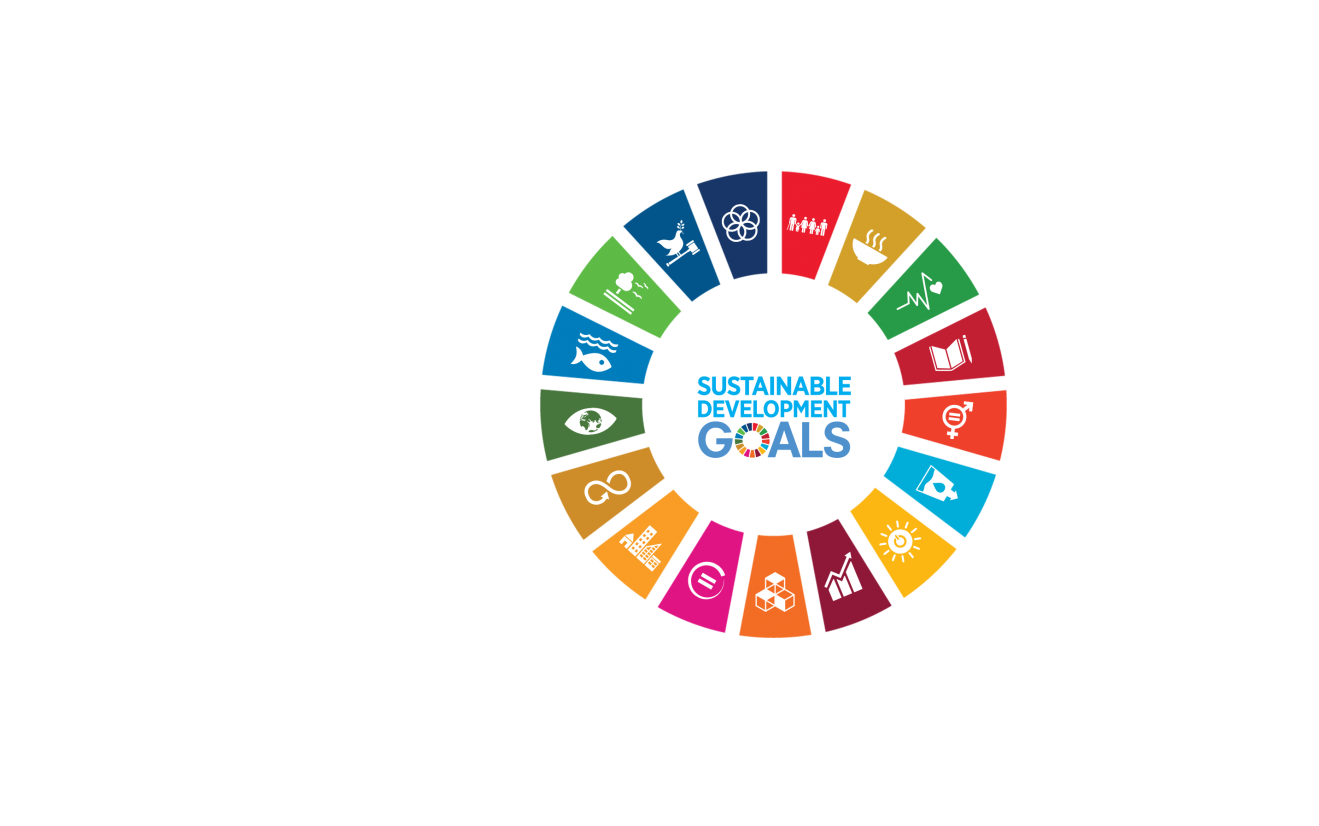
The Importance of United Nations Sustainable Development Goals
The United Nations Sustainable Development Goals (SDGs) are a set of 17 global goals adopted by all United Nations Member States in 2015 as part of the 2030 Agenda for Sustainable Development. These goals are a universal call to action to end poverty, protect the planet, and ensure that all people enjoy peace and prosperity by 2030.
Each goal addresses different aspects of social, economic, and environmental development and is interconnected with the others. The SDGs aim to tackle issues such as poverty, inequality, climate change, environmental degradation, peace and justice.
Key Highlights of the SDGs:
- No Poverty
- Zero Hunger
- Good Health and Well-being
- Quality Education
- Gender Equality
- Clean Water and Sanitation
- Affordable and Clean Energy
- Decent Work and Economic Growth
- Industry, Innovation, and Infrastructure
- Reduced Inequality
- Sustainable Cities and Communities
- Responsible Consumption and Production
- Climate Action
- Life Below Water
- Life on Land
The SDGs serve as a roadmap for governments, businesses, civil society organisations, and individuals to work together towards a more sustainable future for all. By addressing these global challenges collectively, we can create a world where no one is left behind.
To achieve the SDGs by 2030 requires concerted efforts from all sectors of society. Governments must implement policies that support sustainable development; businesses need to adopt responsible practices; individuals can contribute through their daily actions.
The SDGs are not just lofty ideals but practical targets that can be achieved through collaboration, innovation, and commitment. By working towards these goals collectively, we can build a better future for generations to come.
In conclusion, the United Nations Sustainable Development Goals provide a framework for creating a more equitable, sustainable world. It is up to each one of us to take action towards achieving these goals and ensuring a brighter future for all.
Understanding the United Nations Sustainable Development Goals: Key Questions and Insights
- What are the United Nations Sustainable Development Goals (SDGs)?
- How many SDGs are there in total?
- Why are the SDGs important?
- Who is responsible for implementing the SDGs?
- How can individuals contribute to achieving the SDGs?
- What progress has been made towards achieving the SDGs?
- What are some examples of successful projects related to the SDGs?
What are the United Nations Sustainable Development Goals (SDGs)?
The United Nations Sustainable Development Goals (SDGs) are a set of 17 global objectives established by the United Nations to address pressing social, economic, and environmental challenges worldwide. These goals serve as a universal call to action for all countries, organisations, and individuals to work towards ending poverty, protecting the planet, and ensuring prosperity for all by 2030. Covering a wide range of issues such as poverty alleviation, gender equality, climate action, and sustainable cities, the SDGs aim to create a more equitable and sustainable future for generations to come.
How many SDGs are there in total?
One of the most frequently asked questions regarding the United Nations Sustainable Development Goals is, “How many SDGs are there in total?” There are a total of 17 Sustainable Development Goals (SDGs) that were adopted by all United Nations Member States in 2015. Each goal addresses specific global challenges such as poverty, inequality, climate change, and sustainable development. These goals serve as a universal call to action to end poverty, protect the planet, and ensure prosperity for all by 2030. By understanding the significance of each of the 17 SDGs, we can collectively work towards a more sustainable and inclusive future for everyone.
Why are the SDGs important?
The United Nations Sustainable Development Goals (SDGs) are crucial as they provide a universal framework for addressing pressing global challenges such as poverty, inequality, climate change, and environmental degradation. By setting specific targets and indicators, the SDGs guide countries and stakeholders in working towards a more sustainable and inclusive future. These goals not only promote economic growth but also focus on social development, environmental protection, and peace-building efforts. Ultimately, the importance of the SDGs lies in their potential to create a better world for present and future generations by fostering cooperation, innovation, and collective action on a global scale.
Who is responsible for implementing the SDGs?
The responsibility for implementing the United Nations Sustainable Development Goals (SDGs) falls on a broad spectrum of stakeholders, including governments, businesses, civil society organisations, and individuals. Governments play a crucial role in setting policies and creating an enabling environment for sustainable development. Businesses are responsible for integrating sustainability into their operations and supply chains. Civil society organisations advocate for the SDGs and hold stakeholders accountable. Individuals contribute by making sustainable choices in their daily lives and participating in community initiatives. Collaboration among these diverse actors is essential to achieve the SDGs and create a more equitable and sustainable future for all.
How can individuals contribute to achieving the SDGs?
Individuals play a crucial role in contributing to the achievement of the United Nations Sustainable Development Goals (SDGs). There are various ways individuals can make a difference, such as promoting sustainable consumption and production practices, supporting local initiatives that align with the SDGs, advocating for social and environmental justice, volunteering for causes that address key SDG areas, and raising awareness within their communities. By taking small actions in their daily lives and actively participating in efforts to promote sustainability and equality, individuals can collectively have a significant impact on advancing the SDGs and creating a more inclusive and sustainable world for all.
What progress has been made towards achieving the SDGs?
Progress towards achieving the United Nations Sustainable Development Goals (SDGs) has been a mixed bag since their adoption in 2015. While some strides have been made in certain areas, such as improvements in access to clean water and sanitation, reducing poverty rates, and increasing gender equality initiatives, there are still significant challenges to overcome. Many countries are lagging behind in meeting the targets set out by the SDGs, particularly in areas like climate action, reducing inequalities, and ensuring sustainable economic growth. Continuous monitoring, evaluation, and collaborative efforts are crucial to accelerate progress and ensure that we stay on track to achieve the SDGs by 2030.
What are some examples of successful projects related to the SDGs?
Many successful projects around the world have demonstrated tangible progress towards achieving the United Nations Sustainable Development Goals (SDGs). For example, initiatives promoting renewable energy sources in rural communities have contributed to both Goal 7 (Affordable and Clean Energy) and Goal 1 (No Poverty) by improving access to clean energy and empowering local economies. Additionally, education programs focusing on gender equality and girls’ empowerment align with Goal 4 (Quality Education) and Goal 5 (Gender Equality), fostering inclusive societies. These projects showcase the impact of targeted efforts in addressing specific SDGs and inspire further action towards a more sustainable and equitable future for all.