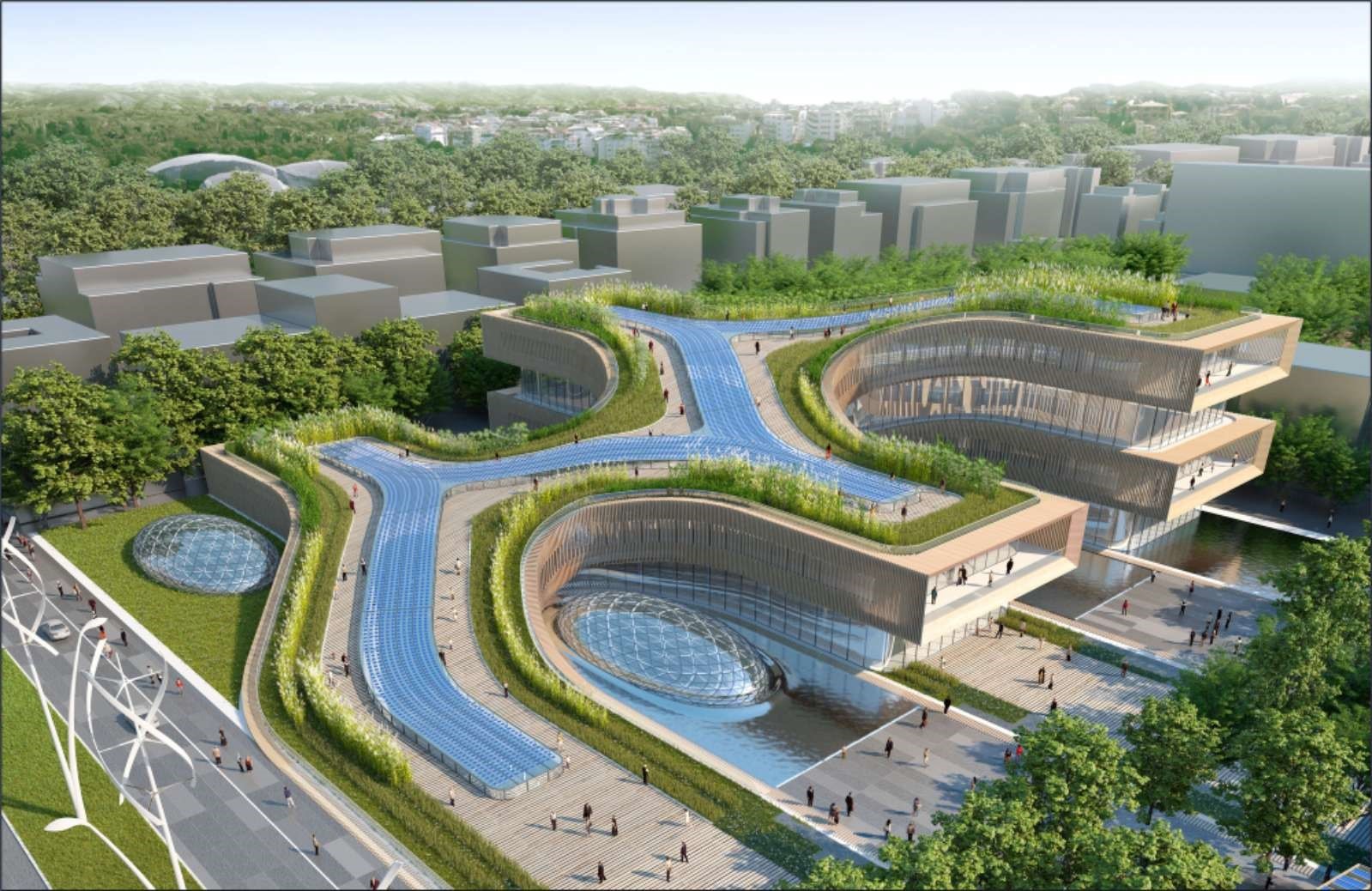
The Importance of Urban Green Infrastructure
Urban green infrastructure refers to the network of natural and semi-natural spaces within urban areas that provide environmental, social, and economic benefits. These green spaces include parks, gardens, street trees, green roofs, and other vegetation that play a crucial role in creating sustainable and healthy cities.
Environmental Benefits
One of the key advantages of urban green infrastructure is its ability to improve air quality by absorbing pollutants and releasing oxygen. Trees and plants help mitigate the urban heat island effect by providing shade and cooling the air through evapotranspiration. Green spaces also help manage stormwater runoff, reducing the risk of flooding and improving water quality.
Social Benefits
Green infrastructure enhances the quality of life for urban residents by providing opportunities for recreation, relaxation, and social interaction. Access to green spaces has been linked to improved mental health, reduced stress levels, and increased physical activity. Parks and gardens serve as communal meeting points where people can connect with nature and each other.
Economic Benefits
Investing in urban green infrastructure can lead to significant economic returns. Green spaces increase property values, attract businesses, and create jobs in sectors such as landscaping and maintenance. Well-designed parks and public gardens can boost tourism and stimulate local economies. Additionally, green roofs and walls can reduce energy consumption in buildings by providing insulation.
Challenges and Opportunities
Despite its numerous benefits, urban green infrastructure faces challenges such as limited space, maintenance costs, and competing land uses. However, innovative approaches such as vertical gardens, community gardens on rooftops, pocket parks in vacant lots, and green corridors along transportation routes offer opportunities to maximise green space in cities.
In conclusion, urban green infrastructure plays a vital role in creating sustainable cities that are resilient to environmental challenges while enhancing the well-being of their inhabitants. By prioritising the integration of nature into urban planning and development processes, we can build healthier communities that thrive amidst the concrete jungle.
7 Essential Tips for Enhancing Urban Green Infrastructure
- Plant trees to improve air quality and provide shade.
- Create green roofs to reduce heat island effect and manage stormwater.
- Install rain gardens to capture and filter rainwater runoff.
- Promote community gardens to encourage local food production and social interaction.
- Design green walls to enhance aesthetics and biodiversity in urban areas.
- Implement permeable pavements to allow water infiltration and reduce flooding.
- Preserve existing green spaces to maintain biodiversity and provide recreational areas.
Plant trees to improve air quality and provide shade.
Planting trees is a simple yet effective tip for enhancing urban green infrastructure. Trees not only beautify the cityscape but also play a crucial role in improving air quality by absorbing pollutants and releasing oxygen. In addition, trees provide much-needed shade, helping to cool the surrounding area and reduce the urban heat island effect. By incorporating more trees into urban landscapes, we can create healthier and more sustainable cities for all residents to enjoy.
Create green roofs to reduce heat island effect and manage stormwater.
Creating green roofs is a highly effective strategy in urban green infrastructure planning to combat the heat island effect and improve stormwater management. Green roofs, covered with vegetation, help reduce heat absorption and lower temperatures in urban areas, thereby mitigating the heat island effect. Additionally, they absorb rainwater, reducing runoff and alleviating strain on drainage systems during heavy rainfall events. By incorporating green roofs into building designs, cities can enhance their resilience to climate change impacts while promoting biodiversity and improving overall environmental quality.
Install rain gardens to capture and filter rainwater runoff.
Installing rain gardens is a smart and sustainable tip for enhancing urban green infrastructure. These specially designed gardens serve as natural filtration systems, capturing rainwater runoff and allowing it to slowly infiltrate into the ground. By filtering out pollutants and reducing stormwater runoff, rain gardens help improve water quality, prevent flooding, and replenish groundwater supplies. Incorporating rain gardens into urban landscapes not only promotes environmental sustainability but also adds aesthetic value and biodiversity to the community.
Promote community gardens to encourage local food production and social interaction.
Promoting community gardens is a valuable tip for enhancing urban green infrastructure. By encouraging local food production within city limits, these communal spaces not only contribute to sustainable agriculture but also foster social interaction among residents. Community gardens provide a platform for neighbours to come together, share knowledge about gardening and healthy eating, and build a sense of community pride. Additionally, they offer a unique opportunity for urban dwellers to reconnect with nature, promote biodiversity, and strengthen the resilience of the local food system.
Design green walls to enhance aesthetics and biodiversity in urban areas.
Designing green walls is a fantastic tip to enhance both the aesthetics and biodiversity of urban areas. Green walls not only add a touch of natural beauty to the concrete jungle but also provide valuable habitat for various plant species, insects, and even birds. By incorporating green walls into urban design, cities can create visually appealing spaces while promoting biodiversity and improving air quality. This sustainable approach to vertical landscaping not only benefits the environment but also enriches the overall urban experience for residents and visitors alike.
Implement permeable pavements to allow water infiltration and reduce flooding.
Implementing permeable pavements in urban areas is a smart strategy to enhance urban green infrastructure. By allowing water to infiltrate the ground instead of running off into storm drains, permeable pavements help reduce flooding and improve water quality. This innovative approach not only mitigates the impact of heavy rainfall but also promotes sustainable water management practices in cities. By integrating permeable pavements into urban design, we can create more resilient and eco-friendly environments that benefit both people and the planet.
Preserve existing green spaces to maintain biodiversity and provide recreational areas.
Preserving existing green spaces within urban areas is crucial for maintaining biodiversity and providing valuable recreational areas for residents. These green spaces serve as habitats for various plant and animal species, contributing to the overall ecological balance of the city. Additionally, they offer opportunities for people to engage in outdoor activities, connect with nature, and improve their well-being. By safeguarding these green havens, cities can ensure a healthier environment for both wildlife and humans, fostering a harmonious relationship between urban development and natural ecosystems.