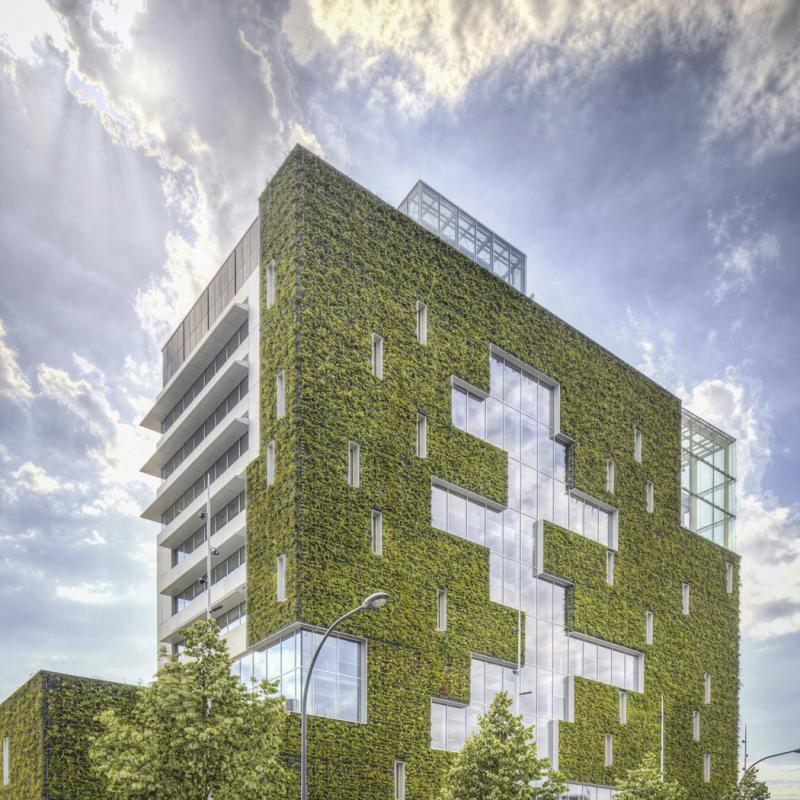
The Rise of Sustainable Buildings
In recent years, there has been a growing global emphasis on sustainability, particularly in the construction industry. Sustainable buildings, also known as green buildings, are structures that are designed, built, and operated with a focus on reducing their environmental impact while promoting the health and well-being of occupants.
One of the key aspects of sustainable buildings is energy efficiency. These structures are designed to minimise energy consumption through the use of efficient lighting, heating, cooling systems, and insulation. By reducing energy usage, sustainable buildings help lower greenhouse gas emissions and combat climate change.
Another important feature of sustainable buildings is the use of environmentally friendly materials. Builders opt for materials that are renewable, recycled, or have a low environmental impact. This not only reduces the carbon footprint of construction but also promotes a healthier indoor environment for occupants.
Water conservation is also a significant focus in sustainable building design. Techniques such as rainwater harvesting, greywater recycling, and efficient plumbing fixtures help reduce water consumption and lessen the strain on local water resources.
Beyond environmental benefits, sustainable buildings offer numerous advantages to occupants. Improved indoor air quality, ample natural light, and access to green spaces contribute to enhanced health and well-being. Studies have shown that occupants of green buildings report higher productivity levels and greater satisfaction with their living or working environments.
Government policies and industry standards have played a crucial role in driving the adoption of sustainable building practices. Many countries now offer incentives for developers who incorporate green features into their projects. Additionally, certification programmes such as LEED (Leadership in Energy and Environmental Design) provide benchmarks for measuring a building’s sustainability performance.
As concerns about climate change continue to escalate, the demand for sustainable buildings is expected to rise. Developers, architects, and engineers are increasingly embracing green building principles to create structures that not only meet current needs but also safeguard the planet for future generations.
Six Essential Tips for Creating Sustainable Buildings
- Use energy-efficient lighting and appliances
- Incorporate renewable energy sources like solar panels
- Implement water-saving fixtures and systems
- Choose sustainable materials for construction
- Optimize natural light and ventilation in design
- Promote green spaces and biodiversity around the building
Use energy-efficient lighting and appliances
By incorporating energy-efficient lighting and appliances into sustainable buildings, developers can significantly reduce energy consumption and lower carbon emissions. LED lighting, for example, consumes less electricity than traditional incandescent bulbs and has a longer lifespan, reducing maintenance costs. Energy-efficient appliances such as refrigerators, air conditioners, and washing machines not only save energy but also contribute to a healthier indoor environment. By prioritising the use of these technologies, sustainable buildings can minimise their environmental impact while promoting energy savings for occupants.
Incorporate renewable energy sources like solar panels
Incorporating renewable energy sources like solar panels is a crucial step in enhancing the sustainability of buildings. By harnessing the power of the sun, buildings can generate clean and renewable electricity, reducing their reliance on traditional fossil fuels. Solar panels not only help lower energy costs over time but also contribute to a significant reduction in greenhouse gas emissions, thus mitigating the impact of climate change. Embracing solar technology demonstrates a commitment to environmental stewardship and positions buildings as proactive contributors to a more sustainable future.
Implement water-saving fixtures and systems
Implementing water-saving fixtures and systems is a crucial aspect of sustainable building design. By incorporating technologies such as low-flow faucets, dual-flush toilets, and rainwater harvesting systems, buildings can significantly reduce their water consumption and lessen the strain on local water resources. These measures not only contribute to environmental conservation but also help lower utility costs for building owners and occupants. Embracing water-saving solutions is a practical and effective way to promote sustainability in the built environment while ensuring a more efficient use of this precious resource for future generations.
Choose sustainable materials for construction
When it comes to sustainable buildings, selecting eco-friendly materials for construction is a crucial step in reducing the environmental impact of a project. Opting for sustainable materials such as recycled steel, bamboo, reclaimed wood, or low-impact concrete can significantly decrease the carbon footprint of a building. By prioritising the use of these materials, builders not only contribute to resource conservation but also promote a healthier indoor environment for occupants. Making informed choices about construction materials is key to creating buildings that are not only environmentally responsible but also durable and energy-efficient in the long run.
Optimize natural light and ventilation in design
Optimising natural light and ventilation in the design of sustainable buildings is a crucial strategy to enhance energy efficiency and occupant comfort. By strategically placing windows, skylights, and other openings, architects can maximise the penetration of natural light into interior spaces, reducing the need for artificial lighting during the day. Similarly, incorporating features such as operable windows and ventilation systems allows for passive cooling and fresh air circulation, reducing reliance on mechanical heating and cooling systems. This not only lowers energy consumption but also creates a healthier and more pleasant indoor environment for occupants.
Promote green spaces and biodiversity around the building
Promoting green spaces and biodiversity around a building is a key strategy in enhancing its sustainability. By incorporating vegetation such as trees, shrubs, and native plants into the building’s surroundings, not only do we create visually appealing landscapes, but we also provide habitats for wildlife and contribute to improved air quality. Green spaces help reduce the urban heat island effect, mitigate stormwater runoff, and create a more pleasant environment for occupants. Additionally, fostering biodiversity around the building supports local ecosystems and enhances the overall resilience of the surrounding area to environmental changes.