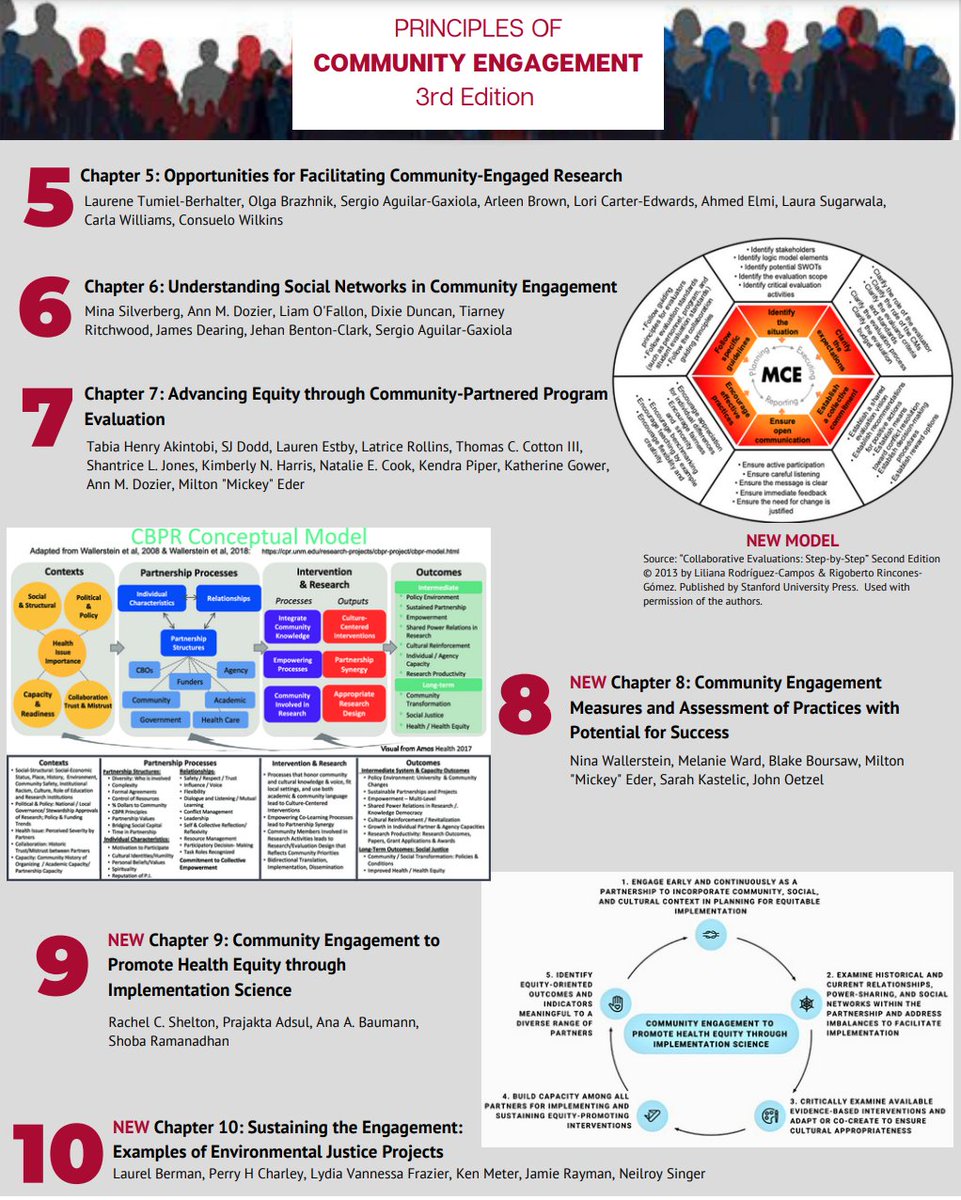
The Principle of Community Engagement
Community engagement is a fundamental principle that underpins the success of any project, initiative, or organisation. It involves actively involving community members in decision-making processes, seeking their input, and valuing their perspectives. By prioritising community engagement, organisations can build trust, foster collaboration, and create solutions that truly meet the needs of the people they serve.
Key Elements of Community Engagement
Effective community engagement is built on several key elements:
- Communication: Open and transparent communication is essential for engaging with the community. This involves sharing information clearly and effectively, listening to feedback, and keeping stakeholders informed throughout the process.
- Participation: Meaningful participation allows community members to actively contribute to decision-making processes. This can take many forms, such as public meetings, workshops, surveys, or focus groups.
- Empowerment: Empowering community members means giving them the tools and resources they need to participate fully in the decision-making process. This may involve providing training, support, or opportunities for leadership development.
- Inclusivity: Inclusivity ensures that all voices are heard and valued. It requires reaching out to diverse groups within the community and creating a welcoming environment where everyone feels comfortable sharing their perspectives.
- Sustainability: Sustainable community engagement involves building long-term relationships with community members based on trust and mutual respect. It means recognising that engagement is an ongoing process that requires continuous effort and commitment.
The Benefits of Community Engagement
When done effectively, community engagement offers numerous benefits for both organisations and communities:
- Better Decision-Making: By involving community members in decision-making processes, organisations can access a wealth of knowledge and expertise that can lead to more informed decisions.
- Increased Trust: Building trust with the community fosters positive relationships and enhances credibility. This can lead to greater support for projects and initiatives.
- Social Cohesion: Community engagement can strengthen social connections within a community by bringing people together around common goals and interests.
- Innovation: Engaging with diverse perspectives can spark creativity and innovation, leading to more effective solutions to complex challenges.
- Sustainability: Engaging with the community ensures that projects are designed with long-term sustainability in mind, addressing the needs of both current and future generations.
In conclusion, the principle of community engagement is essential for building strong relationships between organisations and communities. By prioritising communication, participation, empowerment, inclusivity, and sustainability, organisations can create meaningful partnerships that benefit everyone involved.
9 Essential Principles for Effective Community Engagement
- Listen actively to community members’ concerns and feedback.
- Respect the diversity of perspectives within the community.
- Communicate clearly and transparently about goals and processes.
- Involve community members in decision-making processes.
- Build trust through consistent and honest interactions.
- Provide opportunities for meaningful participation and contribution.
- Acknowledge and address power dynamics that may impact engagement.
- Seek feedback regularly to evaluate effectiveness and make improvements.
- Celebrate successes and show appreciation for community involvement.
Listen actively to community members’ concerns and feedback.
Listening actively to community members’ concerns and feedback is a crucial aspect of effective community engagement. By truly hearing and understanding the perspectives and needs of the community, organisations can build trust, demonstrate respect, and foster meaningful dialogue. Actively listening allows for the identification of key issues, enables community members to feel valued and heard, and ultimately leads to more informed decision-making processes that reflect the genuine needs of the community.
Respect the diversity of perspectives within the community.
Respecting the diversity of perspectives within the community is a crucial tip in the principle of community engagement. Acknowledging and valuing the different viewpoints, experiences, and backgrounds of community members not only fosters inclusivity but also enriches decision-making processes. By embracing this diversity, organisations can gain a deeper understanding of community needs and aspirations, leading to more comprehensive and effective solutions that truly reflect the voices of all individuals involved.
Communicate clearly and transparently about goals and processes.
Clear and transparent communication about goals and processes is a crucial tip for effective community engagement. By articulating the objectives of a project or initiative in a straightforward manner, organisations can ensure that community members understand the purpose and expected outcomes. Transparency in outlining the processes involved helps build trust and credibility, demonstrating a commitment to openness and honesty. When community members are well-informed about the goals and steps involved, they are more likely to actively participate and contribute meaningfully to the decision-making process.
Involve community members in decision-making processes.
An essential tip in the principle of community engagement is to involve community members in decision-making processes. By actively seeking the input and perspectives of those directly affected by a project or initiative, organisations can ensure that decisions are informed by the needs and priorities of the community. This inclusive approach not only fosters a sense of ownership and empowerment among community members but also leads to more effective and sustainable outcomes that truly reflect the values and aspirations of the people involved.
Build trust through consistent and honest interactions.
Building trust through consistent and honest interactions is a crucial tip when it comes to the principle of community engagement. By maintaining open communication and being transparent in all dealings with the community, organisations can establish a foundation of trust that is essential for meaningful collaboration. Consistency in actions and words helps to demonstrate reliability and credibility, while honesty fosters authenticity and integrity. When community members feel that they can trust the organisation to act in their best interests and communicate openly, they are more likely to actively participate and support initiatives, leading to stronger relationships and positive outcomes for all involved.
Provide opportunities for meaningful participation and contribution.
To effectively implement the principle of community engagement, it is crucial to provide opportunities for meaningful participation and contribution from community members. By offering platforms for active involvement in decision-making processes, such as public meetings, workshops, surveys, or focus groups, organisations can empower individuals to share their perspectives and expertise. This inclusive approach not only fosters a sense of ownership and empowerment within the community but also ensures that diverse voices are heard and valued. Ultimately, by encouraging meaningful participation, organisations can create solutions that truly reflect the needs and aspirations of the communities they serve.
Acknowledge and address power dynamics that may impact engagement.
It is crucial to acknowledge and address power dynamics that may impact community engagement. Recognising the existing power structures within a community is essential to ensure that all voices are heard and valued equally. By being mindful of power imbalances, organisations can create a more inclusive and equitable engagement process. Addressing these dynamics involves actively seeking input from marginalized groups, providing opportunities for meaningful participation, and working towards empowering all community members to have a voice in decision-making processes. This approach fosters a more collaborative and respectful relationship between organisations and communities, leading to more effective and sustainable outcomes.
Seek feedback regularly to evaluate effectiveness and make improvements.
Seeking feedback regularly is a crucial aspect of effective community engagement. By actively soliciting input from community members, organisations can evaluate the impact of their initiatives and identify areas for improvement. This feedback loop not only helps measure the effectiveness of current strategies but also allows for continuous refinement and enhancement of engagement practices. Regular feedback ensures that community voices are heard, concerns are addressed promptly, and relationships are strengthened over time. It demonstrates a commitment to transparency, accountability, and responsiveness, ultimately leading to more meaningful and impactful community engagement outcomes.
Celebrate successes and show appreciation for community involvement.
It is crucial to celebrate successes and show appreciation for community involvement as part of the principle of community engagement. Recognising and acknowledging the contributions of community members not only fosters a sense of pride and accomplishment but also strengthens relationships and builds trust. By highlighting achievements, whether big or small, organisations demonstrate their gratitude for the support and participation of the community, encouraging continued engagement and collaboration in future endeavours. This practice reinforces the value of community input and reinforces a positive cycle of engagement that benefits both parties.