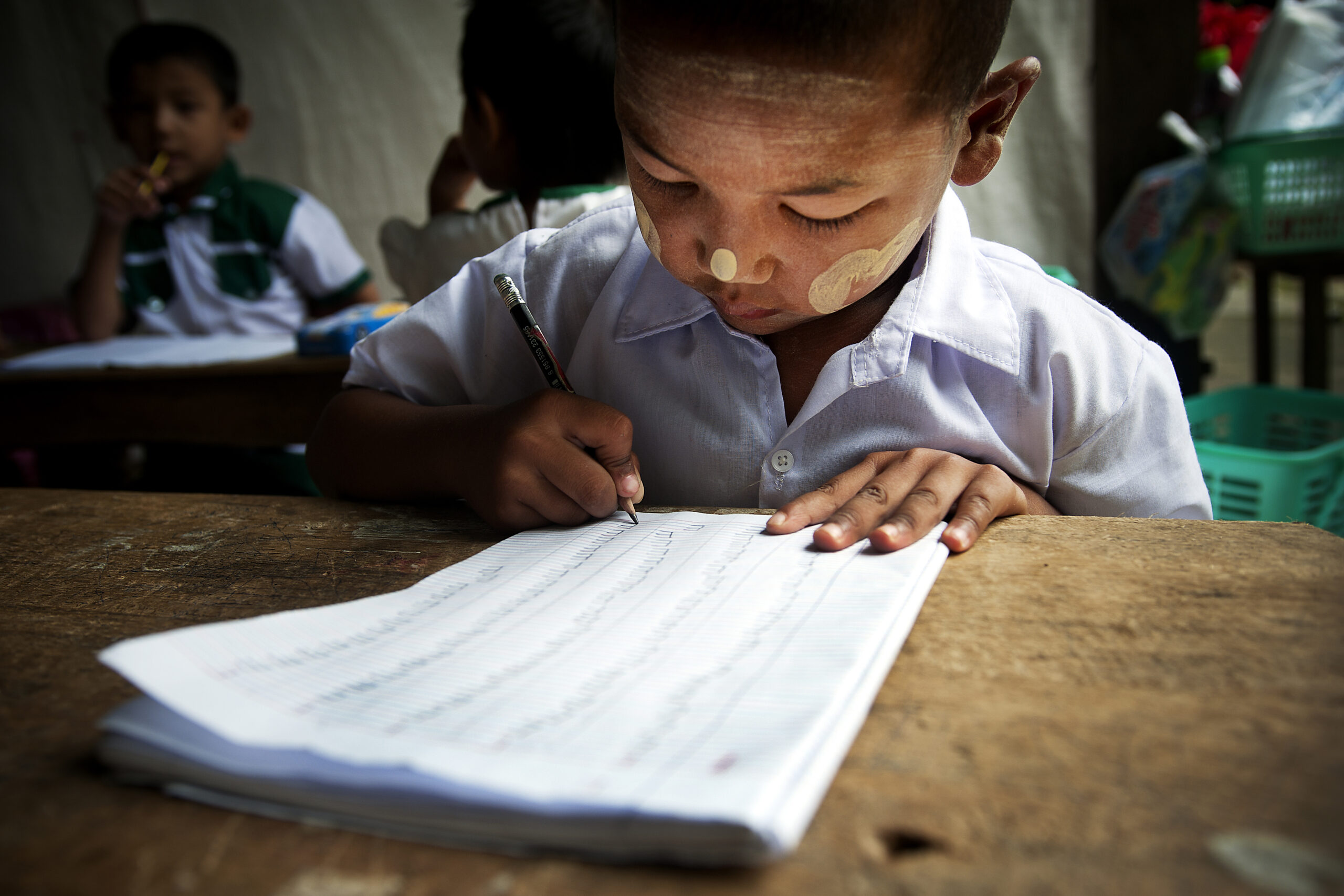
Leave No One Behind: A Key Principle of the Sustainable Development Goals (SDGs)
The concept of “Leave No One Behind” lies at the heart of the Sustainable Development Goals (SDGs) adopted by the United Nations in 2015. It encapsulates the idea that development efforts should benefit all individuals, regardless of their background, circumstances, or location. This principle recognises that achieving sustainable development requires a focus on those who are most vulnerable and marginalized.
By committing to Leave No One Behind, countries pledge to prioritise the needs of those who are often left out or overlooked in traditional development initiatives. This includes groups such as women and girls, persons with disabilities, indigenous communities, refugees, and people living in extreme poverty. The goal is to ensure that no one is excluded from the benefits of progress and that everyone has equal opportunities to thrive.
At its core, Leave No One Behind is about promoting inclusivity, equality, and social justice. It calls for targeted interventions and policies that address the specific challenges faced by different groups within society. By understanding and addressing these disparities, countries can create a more equitable and sustainable future for all.
One of the key strengths of the SDGs is their interconnectedness – progress in one goal can have positive ripple effects across others. By embracing Leave No One Behind as a guiding principle, countries can work towards achieving all 17 SDGs in a way that leaves no individual or community behind.
As we strive towards a more sustainable and equitable world, it is essential to uphold the principle of Leave No One Behind in all our endeavours. By ensuring that no one is excluded from development efforts, we can build a more inclusive and prosperous future for generations to come.
Understanding the ‘Leave No One Behind’ Principle in the Sustainable Development Goals: Key Questions and Insights
- What does ‘Leave No One Behind’ mean in the context of the Sustainable Development Goals (SDGs)?
- Why is ‘Leave No One Behind’ considered a key principle of the SDGs?
- Which groups are most at risk of being left behind in development efforts?
- How can countries ensure that they are effectively implementing the ‘Leave No One Behind’ principle?
- What are some examples of initiatives that aim to address the concept of ‘Leave No One Behind’?
- What role do governments play in ensuring that no one is left behind in sustainable development?
- How does addressing inequalities contribute to achieving the SDGs and leaving no one behind?
- What challenges exist in practice when trying to adhere to the ‘Leave No One Behind’ principle within the SDGs?
What does ‘Leave No One Behind’ mean in the context of the Sustainable Development Goals (SDGs)?
In the context of the Sustainable Development Goals (SDGs), ‘Leave No One Behind’ embodies a fundamental principle that underscores the commitment to inclusivity and equality in development efforts. This concept emphasises the importance of ensuring that all individuals, especially those who are most vulnerable or marginalized, benefit from progress and have equal access to opportunities for growth and prosperity. By prioritising the needs of those often left behind in traditional development initiatives, ‘Leave No One Behind’ seeks to address disparities, promote social justice, and create a more sustainable future where no one is excluded from the benefits of development.
Why is ‘Leave No One Behind’ considered a key principle of the SDGs?
The principle of ‘Leave No One Behind’ is considered a key cornerstone of the Sustainable Development Goals (SDGs) due to its fundamental commitment to inclusivity and equality in development efforts. By prioritising the needs of the most vulnerable and marginalized individuals, this principle ensures that progress is measured not just by overall advancements but by the extent to which all segments of society benefit. Recognising and addressing disparities among different groups is essential for sustainable development, as it fosters a more equitable and just society where everyone has the opportunity to participate in and benefit from progress. Embracing ‘Leave No One Behind’ as a core tenet of the SDGs reinforces the notion that true development must be comprehensive, leaving no individual or community behind on the path towards a more sustainable future.
Which groups are most at risk of being left behind in development efforts?
In development efforts, certain groups are particularly at risk of being left behind despite progress towards the Sustainable Development Goals. Vulnerable populations such as women and girls, persons with disabilities, indigenous communities, refugees, and those living in extreme poverty often face systemic barriers that hinder their access to essential resources and opportunities. Addressing the needs of these marginalized groups is crucial to ensuring that no one is excluded from the benefits of development initiatives. By prioritising the empowerment and inclusion of these communities, we can work towards a more equitable and sustainable future for all.
How can countries ensure that they are effectively implementing the ‘Leave No One Behind’ principle?
To effectively implement the ‘Leave No One Behind’ principle, countries must take a comprehensive and inclusive approach to their development strategies. This involves conducting thorough assessments to identify marginalized groups, understanding their specific needs and challenges, and designing targeted policies and programmes to address them. Countries should also prioritize data collection and monitoring mechanisms to track progress and ensure that no one is being left behind. Collaboration with civil society organisations, local communities, and international partners is crucial for fostering inclusivity and ensuring that the voices of marginalized groups are heard in decision-making processes. By embedding the ‘Leave No One Behind’ principle into all aspects of their governance and development efforts, countries can create a more equitable and sustainable future for all.
What are some examples of initiatives that aim to address the concept of ‘Leave No One Behind’?
Various initiatives around the world are dedicated to addressing the concept of ‘Leave No One Behind’ within the framework of the Sustainable Development Goals (SDGs). One notable example is the provision of inclusive education programmes that ensure children with disabilities have equal access to learning opportunities. Additionally, targeted healthcare interventions, such as mobile clinics reaching remote communities, aim to provide essential medical services to underserved populations. Social protection schemes that specifically support vulnerable groups, such as elderly individuals or refugees, also exemplify efforts to leave no one behind in the pursuit of sustainable development. These initiatives demonstrate practical steps towards inclusivity and equity in addressing societal challenges.
What role do governments play in ensuring that no one is left behind in sustainable development?
Governments play a crucial role in ensuring that no one is left behind in sustainable development. They are responsible for creating and implementing policies and programmes that address the needs of vulnerable and marginalized groups within society. This includes allocating resources, providing access to essential services such as healthcare and education, and promoting social inclusion. Governments also have a duty to monitor progress towards achieving the Sustainable Development Goals (SDGs) and to hold themselves accountable for leaving no one behind. By enacting inclusive policies and fostering collaboration with stakeholders, governments can lead the way in building a more equitable and sustainable future for all.
How does addressing inequalities contribute to achieving the SDGs and leaving no one behind?
Addressing inequalities is crucial for achieving the Sustainable Development Goals (SDGs) and ensuring that no one is left behind. By tackling disparities in income, education, healthcare, and access to resources, we can create a more equitable society where everyone has the opportunity to thrive. When we address inequalities, we not only improve the lives of individuals who are most vulnerable but also foster sustainable development for all. Inclusivity and fairness are fundamental principles that underpin the SDGs, and by prioritising efforts to reduce inequality, we can make significant progress towards building a more just and prosperous world for everyone.
What challenges exist in practice when trying to adhere to the ‘Leave No One Behind’ principle within the SDGs?
Adhering to the ‘Leave No One Behind’ principle within the Sustainable Development Goals (SDGs) poses several challenges in practice. One significant challenge is the identification and inclusion of marginalized and vulnerable groups who may be difficult to reach or overlooked in traditional data collection methods. Ensuring that policies and programmes are tailored to address the specific needs of these groups requires a deep understanding of their circumstances and challenges. Additionally, resource constraints, competing priorities, and political barriers can hinder efforts to prioritise those most in need. Overcoming these challenges requires a concerted effort to build inclusive systems, promote meaningful participation, and address structural inequalities that perpetuate exclusion.