The Integration of Renewable Energy: A Sustainable Solution for the Future
In recent years, the integration of renewable energy sources has emerged as a crucial strategy in the global effort to combat climate change and reduce dependence on fossil fuels. Renewable energy, derived from sources such as sunlight, wind, and water, offers a clean and sustainable alternative to traditional forms of energy generation.
One of the key challenges in transitioning to a renewable energy-based economy is the integration of these intermittent energy sources into existing power grids. Unlike fossil fuel-based power plants that can generate electricity consistently, renewable energy sources are dependent on factors such as weather conditions and time of day.
To address this challenge, innovative technologies and strategies have been developed to enhance the integration of renewable energy into the grid. One approach is the development of smart grids that enable real-time monitoring and control of electricity flow, allowing for better management of variable renewable energy sources.
Energy storage systems play a critical role in enabling greater integration of renewables by storing excess energy generated during peak production periods for use during times of low generation. Battery storage technology, for example, has made significant advancements in recent years, making it more cost-effective and efficient.
Furthermore, advances in digitalisation and data analytics have enabled better forecasting of renewable energy generation, helping grid operators anticipate fluctuations and optimise grid stability. By leveraging predictive analytics and machine learning algorithms, operators can make informed decisions to balance supply and demand in real time.
The integration of renewable energy not only reduces greenhouse gas emissions but also enhances energy security and fosters economic growth through job creation in the clean energy sector. Countries around the world are increasingly investing in renewable infrastructure to meet their climate goals and drive sustainable development.
As we strive towards a more sustainable future, the integration of renewable energy will continue to play a pivotal role in reshaping our energy landscape. By embracing innovation and collaboration, we can build a cleaner, more resilient energy system that benefits both present and future generations.
Five Key Benefits of Integrating Renewable Energy: Mitigating Climate Change and Boosting Economic Growth
- Reduces greenhouse gas emissions, mitigating climate change
- Enhances energy security by diversifying energy sources
- Creates job opportunities in the clean energy sector
- Promotes sustainable development and economic growth
- Helps to reduce reliance on finite fossil fuel resources
Challenges of Integrating Renewable Energy: Addressing Intermittency, Costs, and Infrastructure Concerns
- Intermittency
- High Initial Costs
- Land Use Concerns
- Transmission Challenges
- Resource Limitations
- Energy Storage Needs
- Grid Stability Risks
Reduces greenhouse gas emissions, mitigating climate change
The integration of renewable energy offers a significant environmental benefit by reducing greenhouse gas emissions, thereby playing a crucial role in mitigating climate change. By shifting towards clean energy sources like solar, wind, and hydroelectric power, we can decrease our reliance on fossil fuels that contribute to the greenhouse effect. This transition not only helps to combat global warming but also promotes a healthier and more sustainable future for our planet and its inhabitants.
Enhances energy security by diversifying energy sources
The integration of renewable energy enhances energy security by diversifying energy sources. By reducing reliance on a single, often imported, fossil fuel, countries can mitigate the risks associated with supply disruptions and price volatility. Diversification through renewables such as solar, wind, and hydropower helps to create a more resilient energy system that is less vulnerable to geopolitical tensions or natural disasters. This increased diversity in energy sources contributes to a more stable and secure energy supply, ensuring a reliable power grid for communities and industries alike.
Creates job opportunities in the clean energy sector
The integration of renewable energy presents a significant advantage in creating job opportunities within the clean energy sector. As the demand for sustainable energy sources grows, so does the need for skilled workers in areas such as solar panel installation, wind turbine maintenance, and energy storage system development. This not only addresses unemployment issues but also fosters economic growth by supporting a thriving industry that is essential for a greener future. By investing in renewable energy infrastructure, countries can stimulate job creation and provide meaningful employment opportunities that contribute to both environmental sustainability and economic prosperity.
Promotes sustainable development and economic growth
The integration of renewable energy promotes sustainable development and economic growth by creating new opportunities for job creation, fostering innovation in clean technologies, and reducing the environmental impact of traditional energy sources. By investing in renewable energy infrastructure, countries can reduce their carbon footprint, improve energy security, and drive economic growth through the expansion of the green economy. This transition towards sustainable energy not only benefits the environment but also stimulates economic activity, positioning nations at the forefront of a more resilient and prosperous future.
Helps to reduce reliance on finite fossil fuel resources
The integration of renewable energy offers a significant advantage by helping to reduce our reliance on finite fossil fuel resources. As we harness the power of renewable sources such as solar, wind, and hydroelectric energy, we lessen the need to deplete non-renewable fossil fuels like coal, oil, and natural gas. By shifting towards sustainable energy sources, we not only decrease our carbon footprint but also safeguard valuable resources for future generations. This transition plays a crucial role in promoting energy security and resilience while mitigating the environmental impact of traditional energy production methods.
Intermittency
One significant challenge associated with the integration of renewable energy is intermittency. Renewable energy sources such as solar and wind power are inherently dependent on weather conditions, resulting in fluctuations in power generation. This unpredictability can pose difficulties for grid operators in maintaining a stable and reliable electricity supply, especially during periods of low renewable energy production. The intermittent nature of these sources underscores the importance of developing effective storage solutions and grid management strategies to ensure a consistent energy supply while maximising the potential of renewable resources.
High Initial Costs
The integration of renewable energy faces a significant challenge in the form of high initial costs. The installation of renewable energy infrastructure, such as solar panels or wind turbines, often requires substantial upfront investment, which can act as a deterrent for potential investors. This financial barrier can hinder the widespread adoption of renewable energy technologies and slow down the transition to a more sustainable energy system. Despite the long-term benefits of lower operating costs and reduced environmental impact, the high initial costs remain a con that must be addressed through innovative financing mechanisms and supportive policies to make renewable energy more accessible and cost-effective in the long run.
Land Use Concerns
The integration of renewable energy poses a notable con in the form of land use concerns. The large-scale deployment of renewable energy technologies often demands substantial land area, which can potentially conflict with other vital land uses such as agriculture or conservation efforts. This competition for land resources raises important questions about balancing the need for clean energy production with preserving valuable ecosystems and agricultural lands, highlighting the complex trade-offs involved in transitioning to a more sustainable energy system.
Transmission Challenges
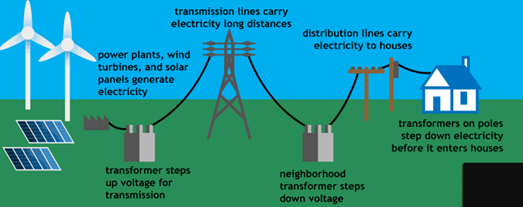
Connecting remote renewable energy sites to the grid can pose significant challenges in terms of transmission. The need for new transmission lines and infrastructure to integrate these sites into the existing grid can be a costly and complex process. Building and maintaining transmission lines over long distances to reach remote locations can result in higher investment costs and potential environmental impacts. Additionally, the variability of renewable energy sources such as wind and solar power requires careful planning to ensure a reliable and stable supply of electricity once connected to the grid. Addressing these transmission challenges is crucial to maximise the potential of renewable energy integration while ensuring a resilient and efficient energy system.
Resource Limitations
In the integration of renewable energy, a significant con to consider is the limitation of resources in certain regions. Not all areas have access to abundant renewable resources such as sunlight or wind, which are essential for generating solar or wind power. This scarcity can hinder the widespread integration of renewable energy sources in these regions, posing a challenge to achieving a fully sustainable energy system. As a result, careful planning and consideration of local resource availability are crucial in determining the feasibility and effectiveness of renewable energy integration efforts.
Energy Storage Needs
Storing excess energy generated by renewables for times of low production poses a significant challenge due to the need for efficient and cost-effective storage solutions that are still evolving. While renewable energy sources such as solar and wind can produce electricity intermittently, energy storage systems are essential to ensure a reliable and stable power supply. The development of advanced storage technologies, such as battery storage, pumped hydroelectric storage, and thermal energy storage, is crucial to address this con of integrating renewable energy into the grid. However, the scalability and affordability of these storage solutions remain key areas of focus for researchers and industry experts as we work towards a more sustainable energy future.
Grid Stability Risks
Integrating variable renewable energy sources into the grid can pose a significant challenge in terms of grid stability. The intermittent nature of sources such as solar and wind power can result in fluctuations in electricity supply, which, if not carefully managed, may lead to instability within the grid. These fluctuations can create imbalances between supply and demand, potentially causing disruptions and even power outages. Grid operators must implement robust measures and technologies to ensure the smooth integration of renewable energy sources while maintaining grid stability to safeguard against such risks.