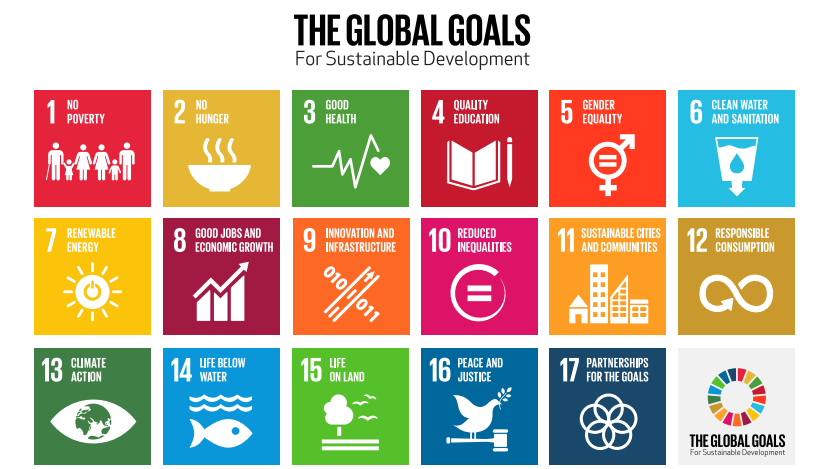
Global Goal 14: Life Below Water
The United Nations Sustainable Development Goals (SDGs) are a set of ambitious targets aimed at addressing global challenges and improving the lives of people worldwide. Global Goal 14, also known as “Life Below Water,” focuses on conserving and sustainably using the oceans, seas, and marine resources for sustainable development.
Why is Global Goal 14 Important?
Oceans cover more than 70% of the Earth’s surface and play a crucial role in regulating the climate, providing food and livelihoods for millions of people, and supporting biodiversity. However, marine ecosystems are facing unprecedented threats from pollution, overfishing, climate change, and habitat destruction.
By achieving Global Goal 14, we can safeguard marine life, promote sustainable fisheries, reduce marine pollution, and preserve coastal ecosystems. This not only benefits the environment but also contributes to poverty reduction, food security, and economic prosperity.
Key Targets of Global Goal 14
- Conserve and sustainably use marine resources for sustainable development.
- Minimize and address the impacts of ocean acidification.
- Protect and restore marine ecosystems to promote their resilience.
- Sustainably manage fisheries to ensure food security and livelihoods.
- Reduce marine pollution from land-based activities.
- Enhance conservation and sustainable use of coastal and marine areas.
What Can We Do to Support Global Goal 14?
Individuals, communities, governments, businesses, and organisations all have a role to play in achieving Global Goal 14. Here are some actions we can take:
- Reduce plastic waste by using reusable products and recycling materials.
- Sustainably source seafood by choosing certified products from well-managed fisheries.
- Support initiatives that protect marine habitats such as coral reefs and mangroves.
- Promote responsible tourism practices that minimise negative impacts on coastal areas.
- Educate others about the importance of ocean conservation and advocate for policy changes that protect marine environments.
Together, we can work towards a healthier planet where life below water thrives for current and future generations. Let’s join forces to make Global Goal 14 a reality!
Seven Essential Steps to Safeguard Our Oceans and Marine Life
- Reduce pollution to protect marine life
- Conserve and sustainably use ocean resources
- Support marine biodiversity conservation efforts
- Promote sustainable fishing practices
- Reduce plastic waste to prevent ocean pollution
- Address ocean acidification through sustainable practices
- Raise awareness about the importance of oceans and seas
Reduce pollution to protect marine life
Reducing pollution is a crucial step in protecting marine life and achieving Global Goal 14: Life Below Water. Pollution from various sources such as plastic waste, chemicals, and oil spills poses a significant threat to marine ecosystems, leading to habitat destruction, harm to marine species, and disruption of food chains. By taking measures to reduce pollution and properly manage waste disposal, we can help safeguard the health of our oceans and ensure the sustainability of marine life for generations to come.
Conserve and sustainably use ocean resources
Conserve and sustainably using ocean resources is a critical aspect of achieving Global Goal 14: Life Below Water. By implementing practices that protect marine ecosystems and responsibly managing fisheries, we can ensure the long-term health and productivity of our oceans. This includes measures such as establishing marine protected areas, enforcing sustainable fishing quotas, and promoting eco-friendly fishing techniques. By conserving and sustainably using ocean resources, we can preserve biodiversity, support livelihoods, and promote a more resilient marine environment for future generations to enjoy.
Support marine biodiversity conservation efforts
Supporting marine biodiversity conservation efforts is crucial for achieving Global Goal 14: Life Below Water. By actively participating in initiatives that aim to protect and preserve marine ecosystems and species diversity, we can help ensure the health and resilience of our oceans. Supporting marine biodiversity conservation not only safeguards the delicate balance of underwater ecosystems but also contributes to sustainable fisheries, climate regulation, and overall environmental well-being. Every effort to support marine biodiversity conservation plays a vital role in securing a sustainable future for our planet’s oceans and the life they sustain.
Promote sustainable fishing practices
Promoting sustainable fishing practices is essential for achieving Global Goal 14, which focuses on conserving and sustainably using marine resources. By adopting sustainable fishing methods such as implementing catch limits, avoiding destructive fishing practices, and protecting marine habitats, we can ensure the long-term health of fish populations and marine ecosystems. Sustainable fishing not only supports food security and livelihoods but also helps maintain the balance of marine biodiversity, contributing to a healthier and more resilient ocean environment for future generations.
Reduce plastic waste to prevent ocean pollution
Reducing plastic waste is a crucial step in achieving Global Goal 14: Life Below Water. Plastic pollution poses a significant threat to marine ecosystems, harming marine life and disrupting the balance of our oceans. By adopting sustainable practices such as using reusable products, recycling materials, and supporting initiatives to combat plastic pollution, we can help prevent further degradation of our oceans and protect the delicate underwater environment for future generations.
Address ocean acidification through sustainable practices
Addressing ocean acidification through sustainable practices is crucial for achieving Global Goal 14: Life Below Water. By implementing sustainable practices such as reducing carbon emissions, promoting coral reef conservation, and supporting marine ecosystems, we can help mitigate the harmful effects of ocean acidification. Sustainable fisheries management and responsible coastal development are also key in preserving the health of our oceans and ensuring a sustainable future for marine life. Together, through conscious efforts and collective action, we can protect our oceans and promote a thriving marine environment for generations to come.
Raise awareness about the importance of oceans and seas
Raising awareness about the critical importance of oceans and seas is a vital step towards achieving Global Goal 14. By educating individuals and communities about the value of marine ecosystems, we can inspire action and foster a sense of responsibility towards protecting these precious resources. Through awareness campaigns, educational programmes, and advocacy efforts, we can highlight the interconnectedness of all life on Earth with the health of our oceans. By spreading knowledge and promoting a deeper understanding of the significance of oceans and seas, we can empower people to take meaningful steps towards conservation and sustainability for the benefit of both present and future generations.