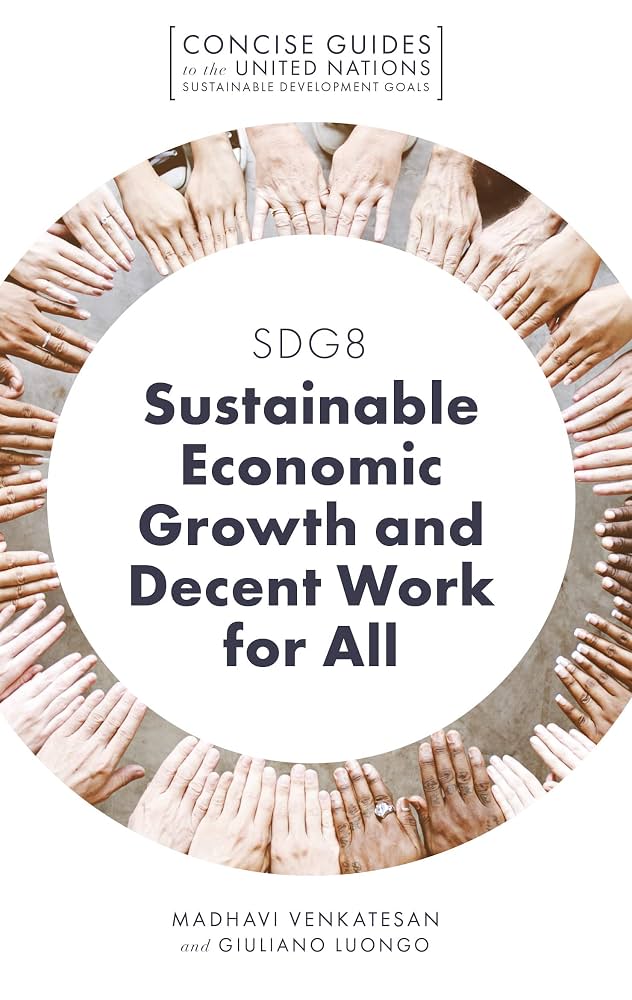
Economic and Sustainable Development: Building Prosperity for the Future
Economic development can improve people’s lives by creating jobs, raising incomes and expanding access to essential services. But growth is not sustainable if it depletes natural resources, deepens inequality or leaves future generations to bear the cost. Sustainable development seeks to bring economic progress together with social wellbeing and environmental responsibility.
What Is Sustainable Economic Development?
Sustainable economic development is the creation of lasting prosperity while protecting the natural systems and communities on which it depends. It considers not only how much an economy produces, but also who benefits, how resources are used and what effects development has over time.
This approach recognises that the economy, society and environment are closely connected. Healthy ecosystems provide clean water, food and materials. Strong communities contribute skills, ideas and enterprise. A resilient economy, in turn, can help fund public services and support a good quality of life.
Why It Matters
Traditional models of growth can rely on high levels of resource use and pollution. They may also distribute benefits unevenly, leaving some people with insecure work, poor housing or limited access to education and healthcare. These pressures can undermine prosperity rather than strengthen it.
Sustainable development offers a way to address these challenges together. Investing in cleaner energy, efficient transport and well-designed buildings can reduce environmental harm while creating new skills and employment. Supporting fair wages and accessible services can help ensure that economic opportunities are shared more widely.
Key Areas for Action
Clean energy and efficient resource use
Moving towards renewable energy and improving energy efficiency can reduce emissions and help communities become less exposed to volatile fuel prices. Businesses and public bodies can also reduce waste by using materials more efficiently, repairing and reusing products, and designing goods to last.
Good jobs and inclusive opportunity
Economic progress should provide decent, secure work and opportunities for people from different backgrounds. This means investing in education and training, supporting fair employment practices and helping workers adapt as industries change. Small businesses and social enterprises can also contribute to local prosperity when they have access to finance, advice and markets.
Sustainable cities and transport
Urban planning shapes people’s daily lives and the wider economy. Reliable public transport, safe walking and cycling routes, accessible housing and nearby green spaces can improve health and reduce pollution. Compact, well-connected neighbourhoods can also make it easier for residents to reach jobs and services without relying on private cars.
Resilient local economies
Communities are better placed to withstand economic shocks when they have diverse sources of employment, strong local services and dependable infrastructure. Supporting local supply chains, protecting natural assets and preparing for climate risks can strengthen resilience over the long term.
Measuring Progress Beyond Growth
Economic growth is one measure of activity, but it cannot show the full picture of people’s wellbeing or the condition of the environment. Governments, businesses and communities can use broader indicators, including employment quality, health, access to housing, income distribution, emissions and resource use.
Clear measurement helps decision-makers understand whether policies are delivering lasting benefits. It also makes it easier to identify who is gaining, who may be disadvantaged and where further action is needed.
Making the Transition Fair
The shift to a more sustainable economy will affect industries and workers in different ways. Some jobs will change, while new roles and sectors emerge. Planning for this transition means involving workers and communities, providing retraining and support, and ensuring that the costs and benefits are not unfairly distributed.
Fairness also matters between generations. Decisions made today should not compromise the ability of people in the future to meet their needs. Protecting natural resources and investing in durable infrastructure are therefore both environmental and economic priorities.
Working Together for Lasting Prosperity
Sustainable economic development depends on cooperation between public authorities, businesses, researchers, community organisations and residents. No single group can achieve it alone. Public policy can set standards and guide investment; businesses can innovate and improve their practices; and communities can help shape solutions that reflect local needs.
There is no single model that suits every place. Effective development responds to local circumstances while keeping long-term social and environmental goals in view. By treating prosperity, fairness and environmental health as connected priorities, societies can build economies that serve people today and remain resilient for generations to come.
9 Tips for Building a Sustainable and Inclusive Economy
- Invest in renewable energy to create jobs and cut emissions.
- Support local businesses and keep wealth in the community.
- Improve public transport to reduce congestion and pollution.
- Build energy-efficient homes to lower bills and carbon use.
- Train workers for green industries and future-proof careers.
- Use resources efficiently to reduce waste and costs.
- Protect nature while planning new homes and infrastructure.
- Make growth inclusive by widening access to decent work.
- Measure progress by wellbeing and environmental health, not GDP alone.
Invest in renewable energy to create jobs and cut emissions.
Investing in renewable energy, such as wind and solar power, can support economic growth while helping to tackle climate change. Developing, installing and maintaining clean energy infrastructure creates jobs and builds valuable skills in local communities. At the same time, replacing fossil fuels with renewables reduces greenhouse gas emissions and can make energy supplies more secure. With thoughtful planning and training, this investment can deliver lasting economic and environmental benefits.
Support local businesses and keep wealth in the community.
Supporting local businesses helps keep wealth circulating within the community. When people buy from nearby shops, use local services and choose local suppliers, they help sustain jobs, strengthen small enterprises and support the services and activities that make an area thrive. Local businesses often reinvest in their neighbourhoods, creating a positive cycle of economic activity. Choosing them where practical is a simple way to encourage a more resilient and sustainable local economy.
Improve public transport to reduce congestion and pollution.
Improving public transport can make cities cleaner, healthier and more accessible. Reliable, affordable buses, trains and trams encourage people to leave their cars at home, helping to reduce traffic congestion, air pollution and greenhouse gas emissions. Better connections also make it easier for people to reach jobs, education and essential services, supporting a more inclusive local economy. Planning services around the needs of passengers—including frequent routes, accessible vehicles and safe links for walking and cycling—can make public transport an attractive choice and contribute to sustainable development.
Build energy-efficient homes to lower bills and carbon use.
Building energy-efficient homes is a practical way to support both household budgets and sustainable development. Good insulation, draught-proofing, efficient heating systems and well-designed windows help keep homes warm in winter and cool in summer, reducing the energy needed to maintain a comfortable temperature. This can lower bills for residents while cutting carbon emissions from energy use. Designing these improvements into new homes—and upgrading existing ones—can also create skilled local jobs and make communities more resilient to rising energy costs.
Train workers for green industries and future-proof careers.
Training workers for green industries is essential to making economic development both sustainable and inclusive. By providing accessible courses, apprenticeships and opportunities to retrain, governments and employers can help people gain the skills needed in growing fields such as renewable energy, energy-efficient construction and sustainable transport. This prepares workers for future-proof careers while helping businesses find the expertise required to meet environmental goals. Ensuring that training is affordable and available to people from all backgrounds can also make the transition to a greener economy fairer and create lasting opportunities in local communities.
Use resources efficiently to reduce waste and costs.
Using resources efficiently is a practical way for organisations and communities to support sustainable economic development. By reducing energy and water use, choosing materials carefully and reusing or recycling wherever possible, they can cut waste and lower operating costs. These savings can be reinvested in better services, staff and future improvements, while reducing pressure on natural resources. Small, consistent changes—such as improving insulation, maintaining equipment and planning purchases—can deliver meaningful benefits for both the environment and the economy.
Protect nature while planning new homes and infrastructure.
Protecting nature should be part of planning new homes and infrastructure from the outset. Building around existing habitats, trees and waterways can help preserve biodiversity, improve air quality and reduce flood risk, while well-designed green spaces make neighbourhoods healthier and more pleasant to live in. By assessing environmental impacts early and choosing thoughtful locations and designs, communities can meet development needs without causing unnecessary harm to the natural environment.
Make growth inclusive by widening access to decent work.
Making growth inclusive means ensuring that more people can access decent, secure and fairly paid work. This involves tackling barriers to employment, investing in education and skills training, and promoting fair working conditions for people from all backgrounds. When workers have the opportunity to contribute and share in the benefits of economic progress, households and communities become more resilient, inequality can be reduced, and growth is more likely to be sustainable over the long term.
Measure progress by wellbeing and environmental health, not GDP alone.
GDP can show how much an economy produces, but it cannot tell us whether people are healthy, secure or able to share in prosperity, nor whether the natural environment is thriving. To measure sustainable development more fully, consider indicators such as access to housing and healthcare, job quality, income inequality, air and water quality, biodiversity and carbon emissions. Looking at these measures alongside GDP gives decision-makers a clearer picture of whether economic activity is genuinely improving people’s lives without undermining the environment on which future prosperity depends.