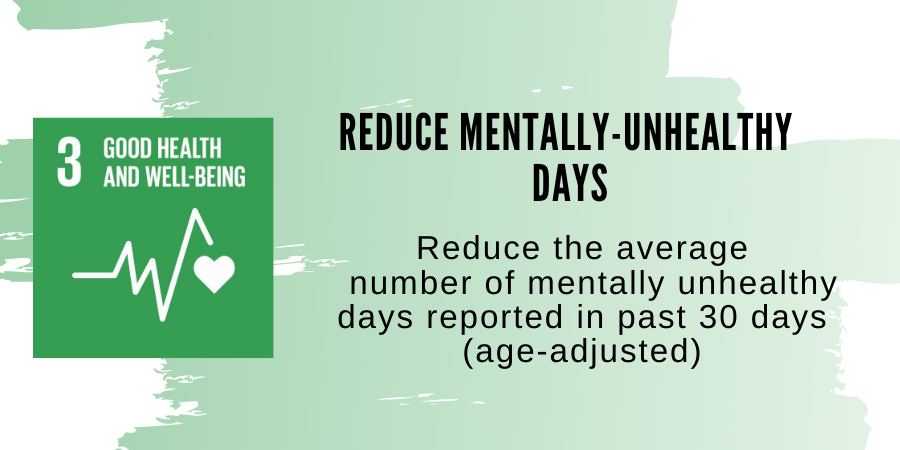
Good Health and Wellbeing: A Key Sustainable Development Goal
The Sustainable Development Goals (SDGs) set by the United Nations aim to address global challenges and improve the quality of life for all. Among these goals, Good Health and Wellbeing (SDG 3) stands out as a fundamental pillar for sustainable development.
SDG 3 focuses on ensuring healthy lives and promoting wellbeing for all at all ages. This goal encompasses a wide range of issues, including reducing maternal mortality, ending epidemics such as HIV/AIDS, malaria, and tuberculosis, and providing universal access to healthcare services.
Health is not just the absence of disease; it is a state of complete physical, mental, and social wellbeing. Achieving good health and wellbeing is essential for individuals to lead productive lives and contribute meaningfully to society.
The Importance of Good Health and Wellbeing
Good health is a basic human right that should be accessible to everyone regardless of their socioeconomic status. When individuals are healthy, they are more likely to attend school, participate in the workforce, and engage in community activities.
Promoting good health also has broader implications for society as a whole. Healthy populations are more resilient to economic shocks, natural disasters, and pandemics. Investing in healthcare systems can lead to long-term savings by preventing diseases before they escalate.
Challenges in Achieving SDG 3
Despite progress in global health outcomes over the years, many challenges remain in achieving SDG 3. Disparities in access to healthcare services persist within and between countries. Vulnerable populations such as women, children, elderly people, and those living in poverty are disproportionately affected by health inequalities.
In addition, emerging threats such as antimicrobial resistance, non-communicable diseases like diabetes and cancer, and mental health disorders require urgent attention from policymakers and healthcare providers.
Call to Action
As individuals, communities, governments, and organisations, we all have a role to play in advancing Good Health and Wellbeing as outlined in SDG 3. By advocating for universal healthcare coverage, promoting healthy lifestyles, supporting medical research and innovation, we can collectively work towards a healthier future for all.
Let us strive towards a world where everyone has access to quality healthcare services that respect their dignity and promote their overall wellbeing. Together we can make SDG 3 a reality for generations to come.
Understanding SDG 3: Key Questions on Good Health and Wellbeing
- What are the goals of SDG 3 good health and wellbeing?
- What is good health and wellbeing SDG?
- Why is good health and wellbeing important?
- What are the 13 targets of SDG 3?
- What is the SDG 3.4 goal?
What are the goals of SDG 3 good health and wellbeing?
The goals of SDG 3, Good Health and Wellbeing, encompass a comprehensive approach to improving global health outcomes. These goals include reducing maternal mortality, ending preventable deaths of newborns and children under five years old, combating communicable diseases such as HIV/AIDS, malaria, and tuberculosis, ensuring universal access to sexual and reproductive healthcare services, reducing deaths from non-communicable diseases through prevention and treatment, promoting mental health and well-being, and achieving universal health coverage. By addressing these key objectives, SDG 3 aims to create a world where all individuals have the opportunity to lead healthy lives and access quality healthcare services regardless of their background or circumstances.
What is good health and wellbeing SDG?
Good Health and Wellbeing, as outlined in the Sustainable Development Goal (SDG) 3, is a global initiative aimed at ensuring that all individuals have access to quality healthcare services and promote overall physical, mental, and social wellbeing. This goal seeks to address a wide range of health-related issues, including reducing maternal mortality rates, combating infectious diseases, and providing universal healthcare coverage for all. Good health is not just the absence of illness but a state of complete physical, mental, and social wellness. By prioritising Good Health and Wellbeing SDG, we can create a healthier world where everyone has the opportunity to lead fulfilling lives and contribute positively to society.
Why is good health and wellbeing important?
Good health and wellbeing are crucial for individuals, communities, and societies to thrive. Maintaining good health not only allows individuals to lead fulfilling lives but also enables them to actively participate in social, economic, and cultural activities. Wellbeing goes beyond physical health; it encompasses mental and emotional aspects that contribute to a sense of happiness and fulfilment. Access to quality healthcare services, nutritious food, clean water, and safe living environments are essential components of good health and wellbeing. By prioritising these factors, we can enhance productivity, reduce healthcare costs, and create a more equitable society where everyone has the opportunity to reach their full potential.
What are the 13 targets of SDG 3?
SDG 3, which focuses on Good Health and Wellbeing, comprises 13 targets that outline specific areas of improvement to achieve its goal. These targets include reducing maternal mortality, ending preventable deaths of newborns and children under five years old, combating major communicable diseases like HIV/AIDS, tuberculosis, malaria, and hepatitis, as well as ensuring universal access to sexual and reproductive healthcare services. Other targets address the prevention and treatment of substance abuse, road traffic injuries, and mental health disorders. Additionally, SDG 3 aims to achieve universal health coverage, strengthen the capacity of healthcare systems, and enhance the availability of essential medicines and vaccines for all. Each target plays a crucial role in promoting good health and wellbeing for individuals worldwide.
What is the SDG 3.4 goal?
SDG 3.4 aims to reduce premature mortality from non-communicable diseases through prevention and treatment. This goal specifically targets the prevention, treatment, and promotion of mental health and wellbeing, as well as addressing substance abuse. By focusing on these key areas, SDG 3.4 seeks to improve overall health outcomes and quality of life for individuals around the world.