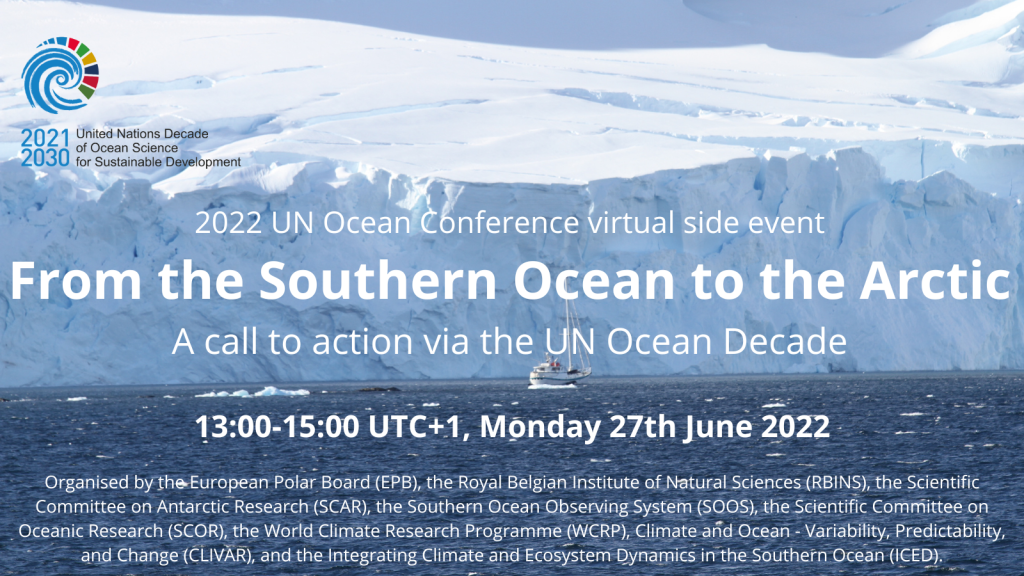
The UN Decade of Ocean Science for Sustainable Development
The ocean is essential to life on Earth. It regulates the climate, supports remarkable biodiversity, provides food and livelihoods for millions of people, and connects communities across the globe. Yet it faces mounting pressures, including climate change, pollution, habitat loss and the overuse of marine resources. Addressing these challenges requires reliable knowledge and coordinated action.
That is the purpose of the United Nations Decade of Ocean Science for Sustainable Development, which runs from 2021 to 2030. Proclaimed by the UN General Assembly and coordinated by the Intergovernmental Oceanographic Commission of UNESCO (IOC-UNESCO), the Decade brings together scientists, governments, businesses, communities and other partners. Its central ambition is to deliver “the science we need for the ocean we want”.
Turning ocean science into action
The Decade is not a single research project. It is a global framework for encouraging and coordinating ocean science, from local studies to international programmes. It aims to make research more accessible and useful to decision-makers, while ensuring that scientific knowledge can support practical solutions.
This matters because many ocean issues cross national borders. Plastic pollution, changing fish populations and ocean warming cannot be tackled effectively by one country or discipline alone. Sharing data, expertise and technology can help researchers build a clearer picture of what is happening and identify responses that work.
Seven outcomes for the ocean we want
The Decade’s vision is expressed through seven desired outcomes:
- A clean ocean, where sources of pollution are identified and reduced or removed.
- A healthy and resilient ocean, where marine ecosystems are understood, protected, restored and managed.
- A productive ocean, supporting sustainable food supplies and livelihoods.
- A predicted ocean, where society can better understand and anticipate changing ocean conditions.
- A safe ocean, where people are protected from ocean-related hazards.
- An accessible ocean, where data, information and technology are available to everyone.
- An inspiring and engaging ocean, valued by society and understood as part of human wellbeing and sustainable development.
Together, these outcomes link scientific research with social, economic and environmental priorities. They also recognise that ocean sustainability depends not only on new discoveries, but on how knowledge is shared and used.
Science shaped by people and place
A key principle of the Decade is that ocean science should be inclusive. Researchers, Indigenous Peoples, coastal communities, young people and others with direct experience of the ocean can all contribute valuable knowledge. Bringing different perspectives together can improve research and help ensure that solutions are relevant to the people most affected by change.
International cooperation is equally important. Countries and organisations have different levels of access to research vessels, laboratories, monitoring systems and expertise. The Decade seeks to strengthen scientific capacity and improve access to data and technology, particularly where resources are limited. A better-informed global community is better placed to protect the ocean.
Progress and challenges
Since its launch, the Decade has helped connect initiatives and encourage new partnerships in areas such as marine biodiversity, ocean observation, coastal resilience and pollution. Its programmes and projects vary in scale, but share the aim of turning ocean knowledge into benefits for people and nature.
Significant challenges remain. Ocean data are still unevenly collected and shared, and many marine ecosystems are poorly understood. Scientific findings do not always reach decision-makers or communities in a timely and usable form. Long-term funding, international collaboration and public engagement are therefore essential to maintaining progress.
Looking towards 2030
The UN Decade of Ocean Science for Sustainable Development provides an important opportunity to strengthen the relationship between science and society. Its success will be measured not simply by the amount of research produced, but by whether that knowledge helps protect marine life, support coastal communities, reduce risks and guide sustainable choices.
With 2030 approaching, continued cooperation will be vital. Governments, researchers, organisations and individuals all have a role to play in building an ocean that is cleaner, healthier, safer and more resilient. Understanding the ocean is a starting point; applying that understanding is what can help create the ocean we want.
7 Ways to Support the UN Decade of Ocean Science for Sustainable Development
- Support ocean research and share its findings.
- Choose sustainable seafood from trusted sources.
- Reduce single-use plastics and dispose of waste responsibly.
- Protect marine habitats and coastal ecosystems.
- Use ocean data to guide sustainable decisions.
- Include local and Indigenous knowledge in ocean planning.
- Promote ocean literacy in schools and communities.
Support ocean research and share its findings.
Support ocean research by backing scientific programmes, monitoring projects and organisations working to understand and protect marine environments. Just as importantly, help make their findings widely accessible: share trustworthy research, data and practical guidance with communities, educators, decision-makers and businesses. When reliable knowledge reaches the people who can use it, it can inform better choices, strengthen conservation efforts and contribute to the UN Decade’s vision of a healthy, sustainable ocean.
Choose sustainable seafood from trusted sources.
Choosing sustainable seafood from trusted sources is a simple way to support a healthier ocean. Look for reliable labels and advice that show fish and seafood have been caught or farmed responsibly, and check where they come from. Choosing well-managed species can help reduce pressure on marine populations, protect ecosystems and support fishing communities working towards sustainable practices.
Reduce single-use plastics and dispose of waste responsibly.
Reducing single-use plastics is a simple way to help protect the ocean. Choose reusable bags, bottles and containers where possible, and dispose of rubbish responsibly so it does not enter drains, rivers or coastal waters. Small everyday choices, repeated by many people, can reduce marine pollution and support the UN Decade of Ocean Science for Sustainable Development’s vision of a cleaner, healthier ocean.
Protect marine habitats and coastal ecosystems.
Protecting marine habitats and coastal ecosystems is essential to a healthy, resilient ocean. Seagrass meadows, mangroves, coral reefs and salt marshes provide homes for wildlife, help shield coastlines from storms and erosion, store carbon, and support food and livelihoods. The UN Decade of Ocean Science for Sustainable Development encourages research and collaboration to identify threatened areas, monitor ecosystem health and guide effective conservation and restoration. By reducing pollution, managing coastal development responsibly and protecting important habitats, communities and governments can help marine life thrive and strengthen resilience to climate change.
Use ocean data to guide sustainable decisions.
Use reliable ocean data to guide decisions that protect marine ecosystems and support coastal communities. Information on water quality, biodiversity, sea temperatures and fishing activity can help governments, businesses and local organisations spot risks, manage resources responsibly and plan for change. Sharing accessible, up-to-date data also enables better-informed action towards a healthier and more sustainable ocean.
Include local and Indigenous knowledge in ocean planning.
Including local and Indigenous knowledge in ocean planning helps ensure decisions reflect the realities of the people who depend on the sea. Generations of observation can offer valuable insight into marine species, seasonal changes and coastal conditions, complementing scientific research. Meaningful involvement also builds trust and supports plans that respect local rights, cultures and livelihoods. For the UN Decade of Ocean Science for Sustainable Development, working in partnership with knowledge holders is essential to creating fair, effective and lasting solutions for the ocean.
Promote ocean literacy in schools and communities.
Promoting ocean literacy in schools and communities helps people understand how the ocean shapes our lives and how everyday choices affect its health. Through lessons, local events, citizen-science projects and visits to coastlines or aquariums, people of all ages can learn about marine ecosystems, climate change and pollution—and discover practical ways to help. Building this knowledge and connection encourages informed decisions, supports community-led action and inspires the next generation to care for the ocean and contribute to the UN Decade of Ocean Science for Sustainable Development.