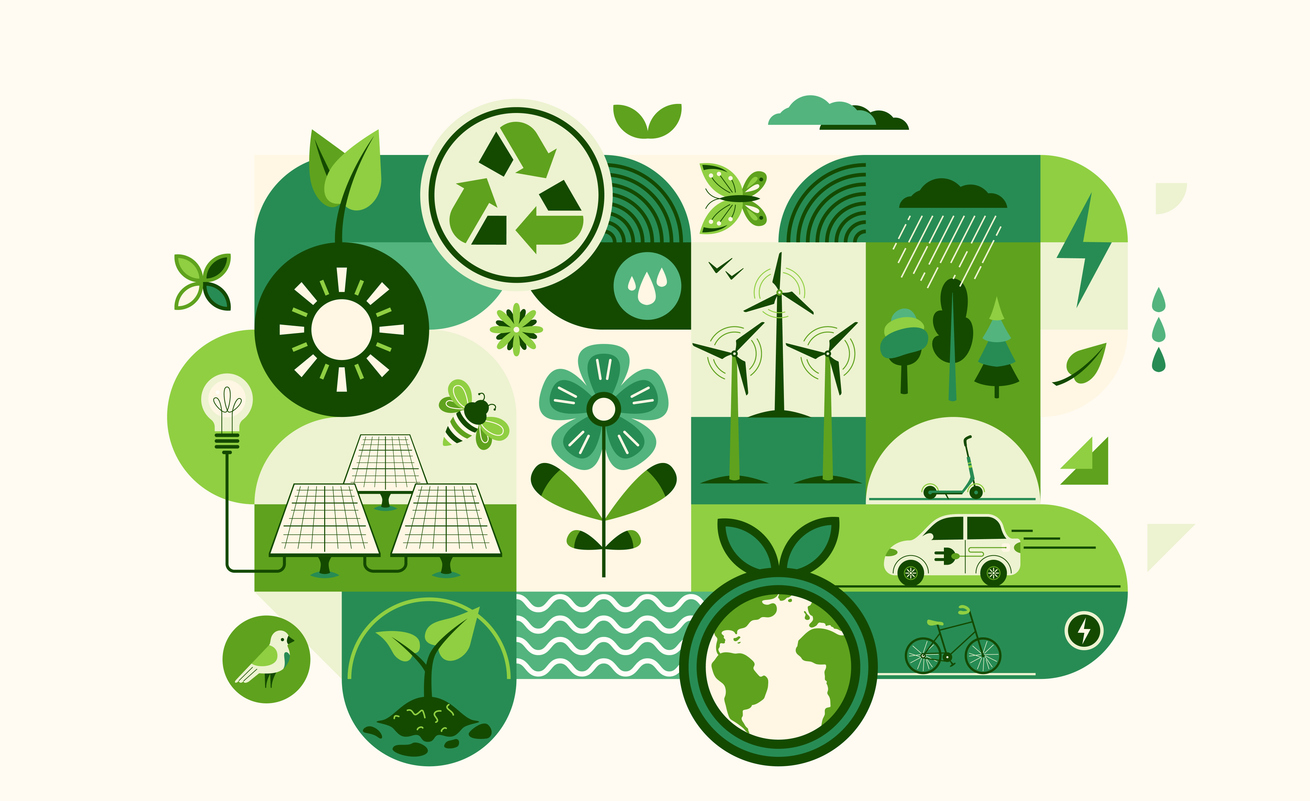
Ecology and Sustainable Development: Building a Future in Balance
Ecology and sustainable development are closely connected. Ecology explores how living things interact with one another and with their surroundings, while sustainable development is about improving people’s lives without undermining the natural systems on which those lives depend. Together, they offer a way to think about progress that takes account of both human needs and the health of the planet.
Why ecology matters
Healthy ecosystems provide the foundations of everyday life. They help to clean the air and water, maintain fertile soils, pollinate crops and regulate the climate. Forests, wetlands, rivers, grasslands and oceans are also home to an immense variety of species, each playing a role in the wider web of life.
These natural systems can be damaged when land is overused, habitats are destroyed, pollution accumulates or resources are taken faster than they can recover. The effects are not limited to wildlife. Ecosystem decline can affect food supplies, public health, local livelihoods and the resilience of communities to floods, heatwaves and other environmental pressures.
What sustainable development means
Sustainable development aims to meet today’s needs while preserving the ability of future generations to meet theirs. It brings together three connected priorities: environmental protection, social wellbeing and economic opportunity. Progress in one area should not come at the expense of the others.
For example, creating jobs and improving access to energy are important goals. But if they depend on excessive pollution or the destruction of habitats, the long-term costs may outweigh the short-term benefits. Sustainable development seeks solutions that are fair, practical and environmentally responsible.
From resource use to responsible stewardship
Many economies have been built around a linear model: extract raw materials, make products, use them and discard them. This can lead to high levels of waste and pressure on finite resources. A more sustainable approach makes better use of materials by designing products to last, repairing and reusing them, and recycling them where possible.
Responsible resource management also means considering where materials come from and how they are produced. Choosing renewable energy, reducing unnecessary consumption and supporting more sustainable farming and fishing can help ease pressure on ecosystems. These changes are most effective when supported by good planning, fair working conditions and clear environmental standards.
The role of cities and communities
Urban areas can have a significant environmental impact, but they also provide opportunities to make sustainable choices easier. Reliable public transport, safe walking and cycling routes, energy-efficient buildings and accessible green spaces can improve quality of life while reducing emissions and pollution.
Community action matters too. Local projects such as community gardens, tree planting, repair groups and habitat restoration can strengthen neighbourhoods and bring people closer to the natural environment. These initiatives work best when residents are involved in decisions and local knowledge is taken seriously.
Protecting biodiversity
Biodiversity—the variety of life on Earth—is essential to resilient ecosystems. Protecting it requires more than setting aside natural areas. It also involves connecting habitats, restoring degraded landscapes and reducing pressures such as pollution and the spread of invasive species.
In towns and cities, parks, gardens, green roofs and tree-lined streets can provide valuable habitats and help wildlife move through built-up areas. In rural regions, protecting hedgerows, wetlands and healthy soils can support both biodiversity and food production. Conservation and human activity do not always have to compete; thoughtful planning can help them coexist.
Shared responsibility and long-term thinking
Governments, businesses and individuals all have a part to play in sustainable development. Governments can set policies and invest in infrastructure; businesses can reduce their environmental footprint and design more durable products; individuals can make informed choices and support positive change in their communities.
However, responsibility should be shared fairly. People and communities do not contribute equally to environmental pressures, and they do not have equal resources to respond to them. Sustainable policies should therefore consider affordability, access and the needs of those most affected by environmental change.
Looking ahead
Ecology reminds us that people are part of nature, not separate from it. Sustainable development puts that understanding into practice by asking how societies can prosper while respecting environmental limits. There is no single solution, but progress is possible through informed choices, strong communities and long-term planning.
Building a sustainable future means protecting the systems that support life while creating healthier, fairer places for people to live. The choices made today will shape both the natural world and the opportunities available to generations to come.
Understanding Ecology and Sustainable Development: Key Questions and Insights
- What is ecology, and why is it important?
- What does sustainable development mean?
- How are ecology and sustainable development connected?
- What are the three pillars of sustainable development?
- How can individuals live more sustainably?
- What is biodiversity, and why should it be protected?
- How does climate change affect ecosystems and communities?
- How can businesses and governments support sustainable development?
What is ecology, and why is it important?
Ecology is the study of how living organisms—including people, plants and animals—interact with one another and with their environment. It helps us understand how ecosystems function, how species depend on one another, and how changes such as pollution, habitat loss and climate change affect the natural world. Ecology is important because healthy ecosystems provide essentials such as clean air and water, fertile soil, food and climate regulation. Understanding these connections helps us make informed decisions, protect biodiversity and support sustainable development for present and future generations.
What does sustainable development mean?
Sustainable development means improving people’s quality of life today while protecting the environment and resources that future generations will depend on. It balances three connected priorities: a healthy natural world, social wellbeing and economic opportunity. In practice, this involves using resources responsibly, reducing pollution and inequality, and making decisions that support long-term prosperity rather than short-term gain.
How are ecology and sustainable development connected?
Ecology and sustainable development are connected because ecological science helps us understand how natural systems work and what they need to remain healthy. This knowledge can guide decisions about using land, energy, water and other resources in ways that meet people’s needs without damaging habitats or reducing the resources available to future generations. In short, ecology informs sustainable development by showing how human wellbeing depends on a healthy, resilient natural environment.
What are the three pillars of sustainable development?
The three pillars of sustainable development are environmental protection, social wellbeing and economic prosperity. They are closely linked: environmental protection safeguards natural resources and ecosystems; social wellbeing promotes health, equality and quality of life; and economic prosperity supports livelihoods and opportunity. Sustainable development seeks to balance all three, so that progress today does not harm people or the planet in the future.
How can individuals live more sustainably?
Individuals can live more sustainably by making thoughtful choices in everyday life. Using public transport, walking or cycling where possible, saving energy and water at home, and choosing durable, reusable or second-hand products can reduce environmental impact. Eating more seasonal, locally produced plant-based food and avoiding unnecessary food waste can also help. Small changes add up, especially when they become lasting habits; individuals can also support responsible businesses and local environmental initiatives to encourage wider change.
What is biodiversity, and why should it be protected?
Biodiversity is the variety of life on Earth, including plants, animals, fungi and microorganisms, as well as the ecosystems they form. It should be protected because healthy, diverse ecosystems provide essential benefits: they support food production, pollinate crops, keep soil fertile, purify water and help regulate the climate. Biodiversity also makes nature more resilient to environmental change and supports people’s health, livelihoods and cultural traditions. Protecting habitats and reducing pollution, overexploitation and other pressures helps safeguard these benefits for present and future generations.
How does climate change affect ecosystems and communities?
Climate change affects ecosystems by shifting temperatures and rainfall patterns, raising sea levels and increasing the frequency or intensity of events such as heatwaves, droughts, floods and wildfires. These changes can disrupt habitats, alter migration and breeding patterns, and put pressure on species that cannot adapt or move quickly enough. Communities are affected too: climate-related hazards can damage homes, infrastructure and crops, threaten water and food supplies, and create health and economic challenges. The impacts are often greatest for people with fewer resources to prepare and recover, which is why reducing emissions and strengthening local resilience are both essential.
How can businesses and governments support sustainable development?
Businesses and governments can support sustainable development by making environmental and social responsibility part of everyday decision-making. Governments can set clear standards, invest in public transport and renewable energy, protect natural habitats and ensure that policies benefit communities fairly. Businesses can reduce emissions and waste, use resources responsibly, design durable products and provide fair working conditions throughout their supply chains. By working together, sharing expertise and measuring progress transparently, both can help create lasting economic opportunities while safeguarding people’s wellbeing and the natural environment.