The Sustainable Development Goals: A Shared Plan for a Better Future
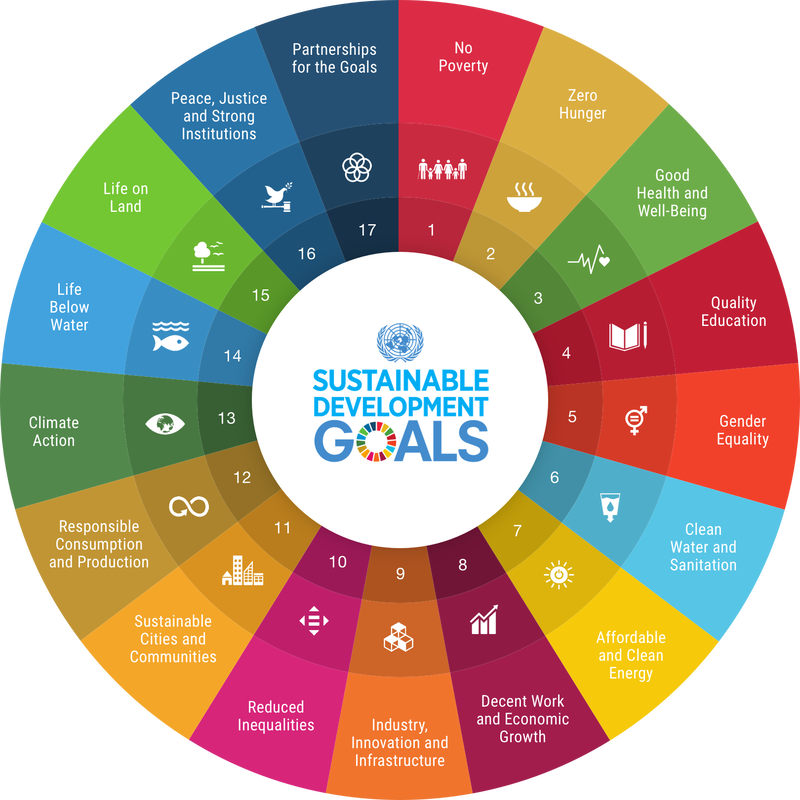
The Sustainable Development Goals (SDGs) are a set of 17 global goals designed to improve people’s lives, protect the planet and support peace and prosperity. Adopted by all United Nations Member States in 2015 as part of the 2030 Agenda for Sustainable Development, they provide a shared framework for tackling some of the world’s most urgent challenges.
What are the SDGs?
The goals recognise that issues such as poverty, health, education, inequality and climate change are closely connected. Progress in one area can support progress in others, while setbacks can have far-reaching effects. The SDGs therefore encourage countries and communities to take an integrated approach to development.
- No Poverty
- Zero Hunger
- Good Health and Well-being
- Quality Education
- Gender Equality
- Clean Water and Sanitation
- Affordable and Clean Energy
- Decent Work and Economic Growth
- Industry, Innovation and Infrastructure
- Reduced Inequalities
- Sustainable Cities and Communities
- Responsible Consumption and Production
- Climate Action
- Life Below Water
- Life on Land
- Peace, Justice and Strong Institutions
- Partnerships for the Goals
Why do the goals matter?
The SDGs offer a common language for governments, businesses, charities, researchers and communities to set priorities and measure progress. They put particular emphasis on reaching people who are most at risk of being left behind. This means looking beyond national averages and asking whether opportunities and essential services are accessible to everyone.
The goals also connect local action with global challenges. Improving public transport, making buildings more energy-efficient or protecting local wildlife may contribute to wider aims on sustainable cities, climate action and responsible consumption. In this way, decisions made by councils, organisations and individuals can form part of a broader effort.
Progress and challenges
Since the goals were adopted, many organisations and countries have used them to guide policies, investment and community projects. However, progress is uneven. Conflict, economic pressures, inequality, environmental damage and the effects of climate change continue to make it harder to meet many targets. The 2030 deadline is a reminder that sustained effort and cooperation are needed.
Tracking progress is important, but so is understanding what the figures mean in people’s everyday lives. Reliable data can help identify gaps, direct resources where they are most needed and show whether policies are working. It can also make it easier to hold decision-makers to account.
How can people contribute?
Responsibility for achieving the SDGs does not rest with governments alone. Businesses can improve working conditions and reduce waste; schools and universities can build knowledge and skills; community groups can support local needs; and individuals can make informed choices, take part in civic life and encourage organisations to act responsibly.
Individual actions cannot replace effective public policy or large-scale change. They can, however, help build awareness and momentum. The greatest impact comes when personal, community, business and government efforts work together.
Looking towards 2030
The Sustainable Development Goals are both a set of ambitions and a practical framework for action. They remind us that a fairer, healthier and more sustainable future depends on choices made across many areas of life. Achieving the goals will require cooperation, long-term commitment and attention to those most likely to be left behind.
8 Practical Tips for Advancing Sustainable Development Goals (SDGs)
- Learn about the 17 Sustainable Development Goals (SDGs).
- Choose local actions that support one or more SDGs.
- Save water and energy at home and work.
- Reduce waste by reusing and recycling.
- Support fair pay and decent working conditions.
- Choose inclusive services and accessible spaces.
- Buy local, sustainable products where possible.
- Track progress and share what works.
Learn about the 17 Sustainable Development Goals (SDGs).
Take time to learn about the 17 Sustainable Development Goals (SDGs), the United Nations’ shared plan for tackling global challenges by 2030. They cover issues including poverty, health, education, equality, climate change and sustainable cities, showing how these challenges are connected. Understanding the goals can help you see where progress is needed and how your choices, community and workplace can contribute to a fairer, more sustainable future.
Choose local actions that support one or more SDGs.
Choose local actions that support one or more Sustainable Development Goals (SDGs), and focus on changes that make a practical difference in your community. You could support a local food bank to help tackle hunger, join a neighbourhood clean-up to protect the environment, or promote walking, cycling and public transport for healthier, more sustainable streets. Small actions can contribute to wider goals, especially when residents, community groups and local organisations work together.
Save water and energy at home and work.
Saving water and energy at home and at work is a simple way to support the Sustainable Development Goals, particularly those focused on clean water, affordable and clean energy, and climate action. Turn off taps and lights when they are not needed, fix dripping taps, choose energy-efficient appliances and avoid heating or cooling empty rooms. Small changes, practised consistently by individuals and organisations, can reduce waste, lower bills and help conserve valuable resources.
Reduce waste by reusing and recycling.
Reducing waste is a simple way to support the Sustainable Development Goals, particularly responsible consumption and production. Reuse items where possible, choose products with less packaging and recycle materials such as paper, glass, metal and suitable plastics. These habits help conserve natural resources, reduce the amount of rubbish sent to landfill and limit pollution. Check your local recycling guidance, as accepted materials can vary between areas.
Support fair pay and decent working conditions.
Supporting fair pay and decent working conditions contributes to the Sustainable Development Goals, particularly Goal 8: Decent Work and Economic Growth. Employers can help by paying at least a fair, living wage, providing safe workplaces, respecting workers’ rights and offering secure, predictable employment. Fair treatment also means tackling discrimination and ensuring that everyone has equal opportunities to develop and progress. These practices help workers and their families thrive while building stronger, more inclusive communities and businesses.
Choose inclusive services and accessible spaces.
Choose services and spaces that welcome everyone, including disabled people, older people, families and people from different backgrounds. Look for accessible entrances, clear signs, step-free routes, inclusive facilities and information in formats people can use. Supporting organisations that prioritise inclusion helps make communities fairer, more welcoming and better able to meet everyone’s needs—contributing to the Sustainable Development Goals on reduced inequalities and sustainable cities and communities.
Buy local, sustainable products where possible.
Buying local, sustainable products where possible can support nearby businesses, strengthen local communities and reduce the environmental impact associated with long-distance transport. Choosing goods made with responsibly sourced materials, minimal packaging and fair working practices can also encourage more sustainable production and consumption. Small, thoughtful choices may contribute to the Sustainable Development Goals, particularly those focused on decent work, responsible consumption and sustainable communities.
Track progress and share what works.
Tracking progress against the Sustainable Development Goals helps show whether actions are making a real difference and where more support is needed. Use clear, relevant indicators to review results regularly, and be open about both successes and setbacks. Sharing practical examples, lessons learnt and approaches that have worked can help other communities and organisations adapt them, avoid repeating mistakes and accelerate progress towards the goals.