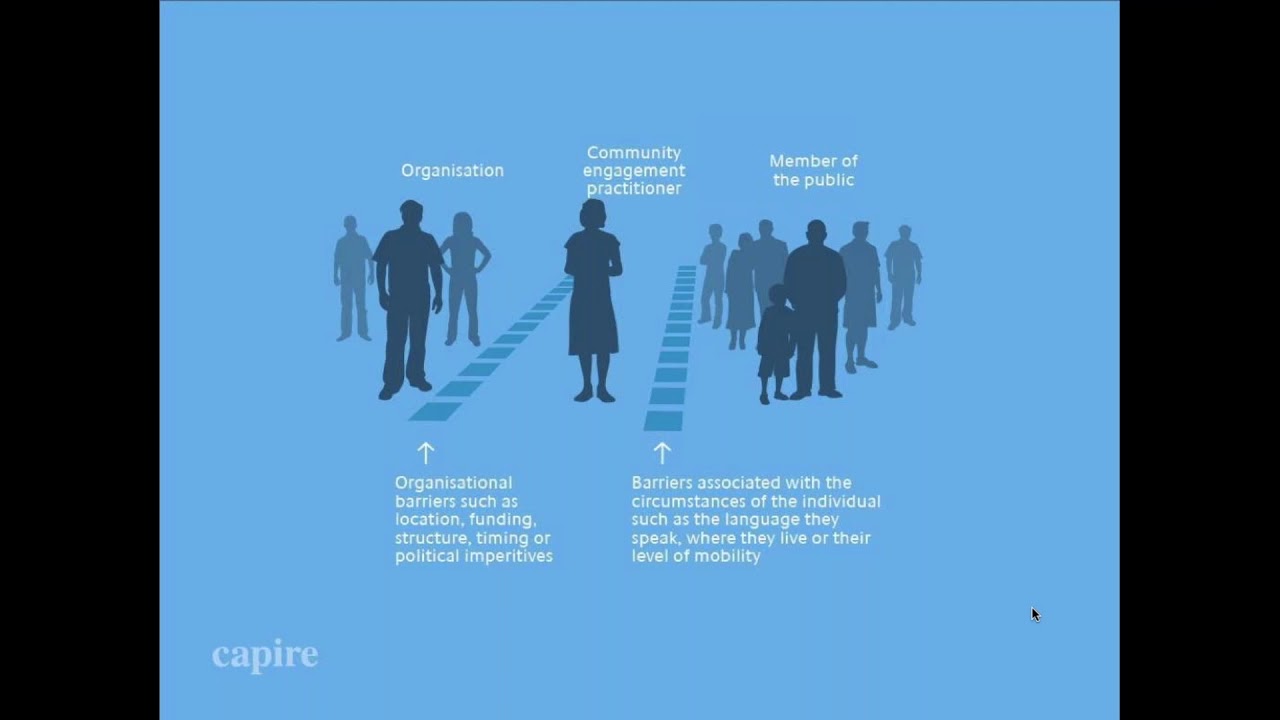
What Does a Community Engagement Practitioner Do?
A community engagement practitioner helps organisations build meaningful relationships with the people affected by their work. They create opportunities for residents, community groups and other stakeholders to share their views, take part in decisions and help shape projects, services and policies.
The role is about more than gathering opinions. Effective engagement involves listening, building trust and showing how people’s contributions influence what happens next.
Why Community Engagement Matters
Decisions about places and services can have a direct impact on people’s everyday lives. Involving communities early can help organisations understand local priorities, identify potential problems and develop solutions that better reflect people’s needs.
Good engagement can also strengthen relationships between organisations and communities. When people can see that their views have been heard and considered, they are more likely to feel informed and involved. Engagement does not mean that every suggestion can be adopted, but it does mean being clear about how decisions are made and what influenced them.
What the Role Involves
The work of a community engagement practitioner varies depending on the organisation and project. Typical responsibilities may include:
- Identifying the people and groups who may be affected by a project or decision.
- Planning inclusive engagement activities that suit the community and the issue.
- Organising meetings, workshops, surveys, interviews and other ways for people to contribute.
- Working with community organisations, local representatives and partner agencies.
- Making information clear, accessible and available in appropriate formats.
- Recording and analysing feedback, then sharing the findings with decision-makers.
- Explaining what has changed as a result of community input—and what has not.
- Reviewing engagement activity and identifying ways to improve it.
Skills and Qualities
Strong communication is central to the role. Practitioners need to explain complex topics in plain language, ask thoughtful questions and listen without making assumptions. They also need to be comfortable working with people who have different experiences, priorities and levels of confidence in engaging with organisations.
Other useful skills include facilitation, project planning, research, report writing and data analysis. Cultural awareness and empathy are important, as is the ability to adapt an approach when a planned activity is not reaching the right people. Practitioners may also need to manage expectations, particularly when a project has legal, financial or practical limits.
Making Engagement Inclusive
There is no single method that works for everyone. Public meetings may suit some people, while others may prefer a phone conversation, an online survey, a drop-in session or a discussion hosted by a trusted local group. Offering different ways to take part can make engagement more accessible.
Practitioners should consider barriers such as language, disability, digital access, caring responsibilities, work patterns, transport and confidence. They should also think about whose voices are missing. A large number of responses does not necessarily mean that a wide range of people have been heard.
Inclusive engagement takes planning. This may involve choosing accessible venues, providing translated or easy-read information, covering reasonable participation costs, or reaching out through community networks. The right approach depends on the people involved and the subject being discussed.
Trust, Transparency and Follow-Up
Trust is built through consistent and honest communication. People should understand what is open for discussion, who will make the final decision and how their feedback will be used. Practitioners should avoid promising outcomes that cannot be guaranteed.
Closing the feedback loop is equally important. After engagement has taken place, communities should be told what was heard, what decisions were made and why. Without this follow-up, people may feel that their time and contributions have not been valued.
How to Understand Whether Engagement Has Worked
The success of engagement should not be measured only by attendance figures or the number of survey responses. These figures can be useful, but they do not show whether participants felt able to contribute or whether their views were considered.
A more complete review might look at who took part, whether the methods were accessible, what participants said about the process and how the findings informed the work. It should also identify gaps and lessons for future engagement.
A Role Built on Listening
A community engagement practitioner connects people, organisations and decisions. The role calls for careful planning, clear communication and a genuine willingness to listen. When engagement is inclusive, transparent and followed by meaningful action, it can help communities play a more active part in shaping the places and services that affect them.
9 Essential Tips for Effective Community Engagement Practice
- Listen actively to community members.
- Build trust through honesty and consistency.
- Make engagement accessible to everyone.
- Use clear, jargon-free language.
- Reach people through trusted local channels.
- Value lived experience and local knowledge.
- Close the feedback loop with updates.
- Be mindful of cultural differences.
- Reflect, learn, and improve your approach.
Listen actively to community members.
Active listening is one of the most important skills for a community engagement practitioner. Give community members time to express their views, ask open questions and avoid interrupting or making assumptions. Pay attention to what is said, as well as any concerns that may be left unspoken, and check that you have understood correctly. Acknowledging people’s experiences and explaining how their feedback will be used helps build trust and shows that their contributions are valued.
Build trust through honesty and consistency.
Building trust as a community engagement practitioner takes honesty and consistency. Be clear about what people can influence, how their feedback will be used and where decisions have already been made. Avoid making promises you cannot keep, and follow through on agreed actions. When plans change or suggestions cannot be taken forward, explain why openly. Keeping people informed and treating their contributions with respect helps create relationships that can last beyond a single project.
Make engagement accessible to everyone.
Make engagement accessible to everyone by offering different ways to take part and removing barriers wherever possible. Consider accessible venues, clear and easy-to-understand information, translation or interpreting, online and offline options, and times that work for people with different commitments. Ask communities what would help them participate, and make sure accessibility needs are considered from the start—not as an afterthought.
Use clear, jargon-free language.
A community engagement practitioner should use clear, jargon-free language so everyone can understand the information and take part with confidence. Avoid technical terms, acronyms and complicated wording, or explain them in plain English when they are necessary. Clear communication helps people understand what is being discussed, what choices are available and how their views may influence decisions.
Reach people through trusted local channels.
Reach people through trusted local channels, such as community groups, local charities, schools, libraries and neighbourhood networks. These organisations often have established relationships with residents and can help share information in a familiar, accessible way. Working with local partners can also help you understand the best ways to reach different groups and encourage people who might not respond to official notices or online communications to take part.
Value lived experience and local knowledge.
Value lived experience and local knowledge by treating residents as experts in their own communities. Listen with curiosity, make space for people to share what they know, and avoid assuming that professional or technical insight tells the whole story. Recognising local experience helps uncover needs, strengths and practical solutions that might otherwise be missed—and shows people that their contributions genuinely matter.
Close the feedback loop with updates.
Close the feedback loop by keeping people updated after they have shared their views. Explain what you heard, how their feedback influenced decisions and what will happen next. If some suggestions cannot be taken forward, say why. Regular, clear updates show that people’s contributions have been taken seriously and help build trust for future engagement.
Be mindful of cultural differences.
A community engagement practitioner should be mindful of cultural differences and avoid assuming that one approach will work for everyone. Communication styles, languages, customs and expectations around participation can vary, so take time to understand the community and, where appropriate, seek advice from trusted local groups. Offer accessible ways to take part, use clear and respectful language, and create a welcoming environment in which people feel comfortable sharing their views.
Reflect, learn, and improve your approach.
Take time to reflect on each engagement activity: who took part, whose voices may have been missed, and whether people felt listened to. Ask participants and colleagues for honest feedback, and consider how their contributions influenced the outcome. Use these insights to adapt your methods, remove barriers and make future engagement more inclusive, effective and trustworthy.