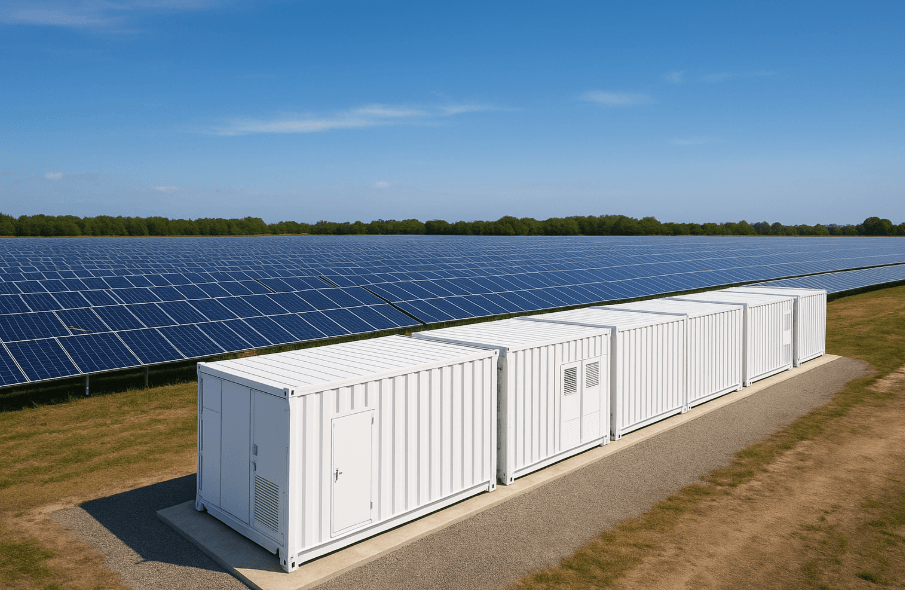
Battery Energy Storage: Powering the Future
In recent years, battery energy storage has emerged as a key technology in the transition towards a more sustainable and efficient energy system. By storing excess energy generated during periods of low demand and releasing it during peak times, battery storage systems play a crucial role in balancing the grid and integrating renewable energy sources.
One of the primary advantages of battery energy storage is its flexibility. Unlike traditional power plants, which require time to ramp up or down, batteries can respond almost instantaneously to fluctuations in demand. This rapid response capability helps stabilise the grid and ensure a reliable power supply.
Moreover, battery storage systems enable greater integration of renewable energy sources such as solar and wind power. These sources are intermittent by nature, with generation levels dependent on weather conditions. By storing excess energy when generation exceeds demand and releasing it when needed, batteries help maximise the utilisation of renewable resources.
Another benefit of battery energy storage is its potential to reduce electricity costs for consumers. By storing cheaper off-peak electricity and using it during peak hours when prices are higher, consumers can save money on their electricity bills. Additionally, battery storage can provide backup power during outages or emergencies, enhancing grid resilience.
As technology advances and costs continue to decline, battery energy storage is becoming increasingly accessible and widespread. From large-scale grid-connected systems to residential installations, batteries are revolutionising the way we generate, store, and consume electricity.
In conclusion, battery energy storage holds great promise for a more sustainable and resilient energy future. By harnessing the power of batteries to store and manage energy efficiently, we can reduce carbon emissions, enhance grid reliability, and pave the way towards a cleaner and more sustainable world.
Maximising Battery Energy Storage: Six Essential Tips for Efficiency and Safety
- 1. Ensure proper maintenance of battery energy storage systems to prolong their lifespan.
- 2. Implement smart charging and discharging strategies to optimize the use of stored energy.
- 3. Regularly monitor the performance and efficiency of the battery storage system.
- 4. Consider using renewable energy sources to charge the batteries for a more sustainable approach.
- 5. Install appropriate safety measures to prevent potential hazards associated with battery storage.
- 6. Stay informed about advancements in battery technology to make informed decisions for future upgrades.
1. Ensure proper maintenance of battery energy storage systems to prolong their lifespan.
To maximise the lifespan of battery energy storage systems, it is crucial to prioritise proper maintenance practices. Regular maintenance routines, such as monitoring performance metrics, checking for signs of wear and tear, and ensuring optimal operating conditions, can significantly extend the longevity of these systems. By investing time and resources in upkeep and upkeep, users can ensure that their battery energy storage systems continue to operate efficiently and effectively over the long term.
2. Implement smart charging and discharging strategies to optimize the use of stored energy.
To maximise the efficiency of battery energy storage systems, implementing smart charging and discharging strategies is essential. By carefully managing the timing and rate of charging and discharging, stored energy can be optimally utilised to meet demand fluctuations and grid requirements. Smart strategies enable the system to respond dynamically to changing conditions, ensuring that energy is deployed when it is most needed or when electricity prices are favourable. This approach not only enhances the overall performance of battery storage but also contributes to grid stability and cost savings for consumers.
3. Regularly monitor the performance and efficiency of the battery storage system.
Regularly monitoring the performance and efficiency of a battery storage system is crucial to ensuring its optimal operation and longevity. By keeping track of key metrics such as charging and discharging rates, capacity levels, and overall system efficiency, users can identify any potential issues early on and take corrective actions to maintain peak performance. This proactive approach not only maximises the benefits of the battery storage system but also helps in preventing unexpected failures or downtimes, ultimately contributing to a more reliable and sustainable energy infrastructure.
4. Consider using renewable energy sources to charge the batteries for a more sustainable approach.
When exploring battery energy storage options, it is advisable to consider utilising renewable energy sources to charge the batteries. By harnessing solar, wind, or other forms of renewable energy to power the charging process, a more sustainable and environmentally friendly approach can be achieved. This not only reduces reliance on fossil fuels but also contributes to a cleaner energy ecosystem, aligning with the goals of sustainability and mitigating climate change.
5. Install appropriate safety measures to prevent potential hazards associated with battery storage.
When implementing battery energy storage systems, it is essential to install appropriate safety measures to mitigate potential hazards associated with battery storage. Ensuring proper safety protocols, such as fire detection systems, ventilation, and thermal management, can help prevent accidents and safeguard both the system and the surrounding environment. By prioritising safety measures, operators can minimise risks and ensure the efficient and secure operation of battery storage installations.
6. Stay informed about advancements in battery technology to make informed decisions for future upgrades.
Staying informed about advancements in battery technology is crucial for making informed decisions when considering future upgrades to energy storage systems. By keeping abreast of the latest developments in battery technology, individuals and organisations can assess new options, evaluate potential benefits, and make strategic choices that align with their energy needs and sustainability goals. Being proactive in staying informed ensures that upgrades are not only cost-effective but also maximise the efficiency and performance of battery energy storage solutions.