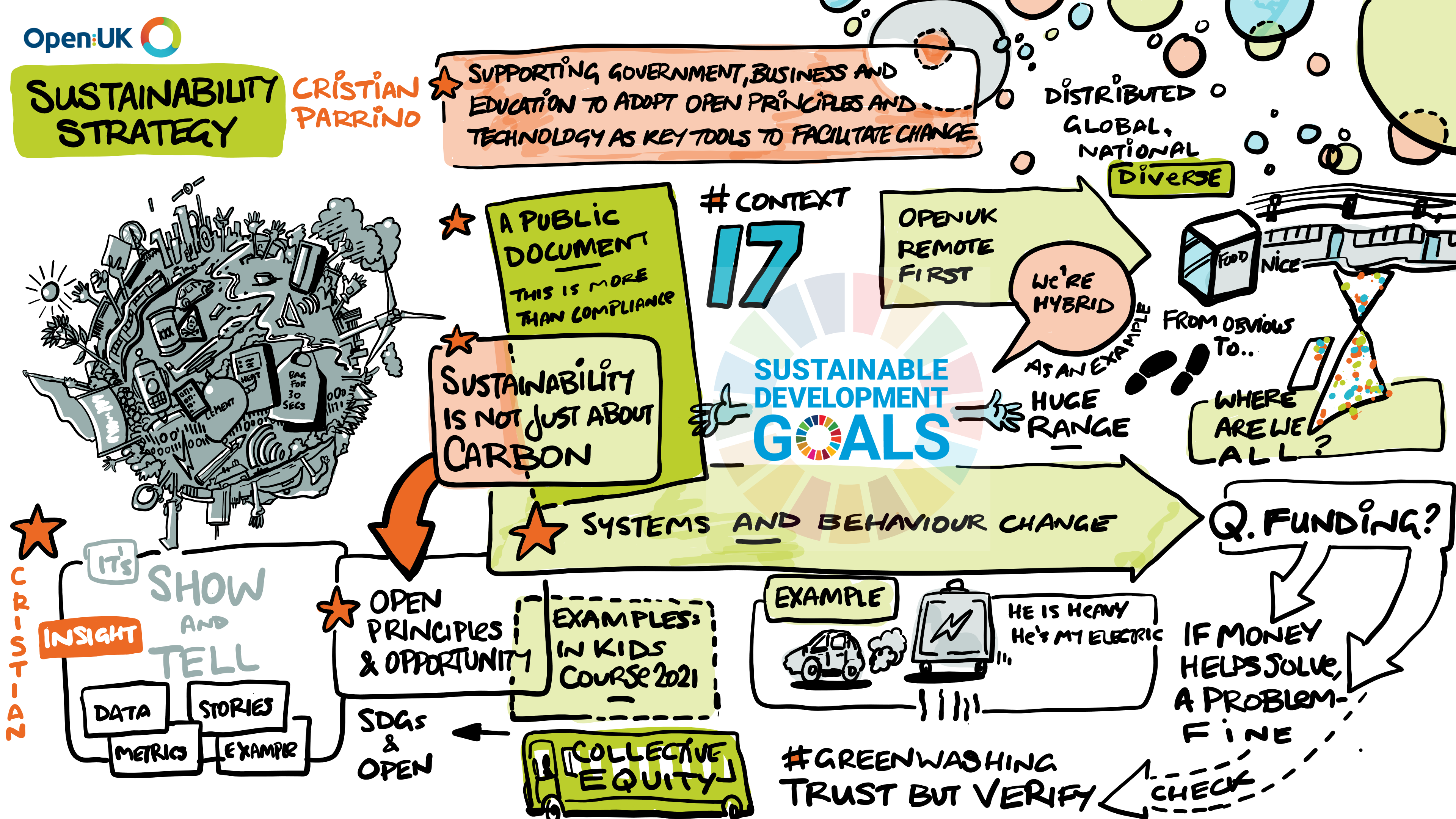
The Importance of Sustainable Development Policy
Sustainable development policy is a crucial framework that guides decision-making towards a balance between economic growth, social progress, and environmental protection. It aims to meet the needs of the present without compromising the ability of future generations to meet their own needs.
One of the key aspects of sustainable development policy is its focus on long-term thinking. By considering the impact of current actions on future generations, policymakers can implement strategies that promote resilience and ensure a better quality of life for all.
Environmental sustainability is at the core of sustainable development policy. This involves preserving natural resources, reducing pollution, and mitigating climate change effects. By setting targets for renewable energy use, waste reduction, and carbon emissions, governments can create a more sustainable environment for their citizens.
Social equity is another important pillar of sustainable development policy. It seeks to address inequalities in access to resources, opportunities, and services. Policies that promote education, healthcare, affordable housing, and social inclusion contribute to a more just and equitable society.
Economic sustainability is also a key component of sustainable development policy. By fostering innovation, promoting responsible consumption and production practices, and supporting local businesses, governments can create a thriving economy that benefits both people and the planet.
In conclusion, sustainable development policy plays a vital role in shaping our future by balancing economic prosperity with social well-being and environmental protection. It requires collaboration between governments, businesses, communities, and individuals to ensure a sustainable world for present and future generations.
8 Essential Tips for Crafting Effective Sustainable Development Policies
- Ensure policies are aligned with long-term environmental goals.
- Promote renewable energy sources and energy efficiency.
- Encourage sustainable transportation methods like public transport and cycling.
- Support initiatives that promote waste reduction, recycling, and circular economy principles.
- Include social equity considerations in policy-making to ensure fair distribution of resources.
- Implement regulations that protect biodiversity and ecosystems.
- Provide incentives for businesses to adopt sustainable practices.
- Engage stakeholders in the policy development process to ensure diverse perspectives are considered.
Ensure policies are aligned with long-term environmental goals.
It is essential to ensure that policies are aligned with long-term environmental goals when implementing sustainable development policy. By setting clear objectives that prioritise the preservation of natural resources and the reduction of environmental impact, policymakers can create a framework that promotes sustainability for future generations. This alignment helps to guide decision-making towards practices that support a healthy environment, mitigate climate change effects, and foster a more resilient ecosystem. By incorporating long-term environmental goals into policies, we can work towards a more sustainable and thriving planet for years to come.
Promote renewable energy sources and energy efficiency.
Promoting renewable energy sources and energy efficiency is a key strategy within sustainable development policy. By shifting towards renewable sources such as solar, wind, and hydroelectric power, we can reduce our reliance on fossil fuels and decrease harmful emissions that contribute to climate change. Additionally, improving energy efficiency in buildings, transportation, and industries not only helps to conserve resources but also lowers costs and enhances overall sustainability. Embracing these practices not only benefits the environment but also creates a more resilient and sustainable energy system for the future.
Encourage sustainable transportation methods like public transport and cycling.
Encouraging sustainable transportation methods such as public transport and cycling is a key aspect of effective sustainable development policy. By promoting the use of public transport systems and cycling infrastructure, cities can reduce traffic congestion, lower emissions, and improve air quality. These initiatives not only contribute to a healthier environment but also promote physical activity and reduce reliance on fossil fuels. Embracing sustainable transportation methods is a significant step towards creating more liveable, vibrant, and eco-friendly urban environments for current and future generations.
Support initiatives that promote waste reduction, recycling, and circular economy principles.
Supporting initiatives that promote waste reduction, recycling, and circular economy principles is essential for sustainable development policy. By encouraging practices that minimise waste generation, increase recycling rates, and embrace the concept of a circular economy, we can significantly reduce our environmental footprint and move towards a more sustainable future. These initiatives not only help conserve natural resources but also create economic opportunities and contribute to building a more resilient and environmentally conscious society. Embracing such principles is key to achieving long-term sustainability goals and fostering a greener, healthier planet for generations to come.
Include social equity considerations in policy-making to ensure fair distribution of resources.
Incorporating social equity considerations into policy-making is essential for promoting a fair distribution of resources within sustainable development initiatives. By prioritising the needs of marginalized communities and addressing inequalities in access to resources and opportunities, policymakers can create a more inclusive and just society. This approach not only fosters social cohesion but also ensures that the benefits of sustainable development are shared equitably among all members of the community, leading to a more resilient and prosperous future for everyone.
Implement regulations that protect biodiversity and ecosystems.
Implementing regulations that protect biodiversity and ecosystems is a crucial aspect of sustainable development policy. By enacting laws and policies that safeguard the natural environment, we can preserve the delicate balance of ecosystems and ensure the survival of diverse plant and animal species. These regulations help prevent habitat destruction, overexploitation of resources, and pollution that threaten biodiversity. By prioritising the protection of our natural world, we can secure a sustainable future for generations to come.
Provide incentives for businesses to adopt sustainable practices.
Providing incentives for businesses to adopt sustainable practices is a crucial strategy in advancing sustainable development policy. By offering rewards such as tax breaks, grants, or subsidies to companies that implement eco-friendly initiatives, governments can encourage a shift towards more sustainable operations. These incentives not only benefit the environment by reducing carbon emissions and resource consumption but also contribute to the long-term viability and competitiveness of businesses. Ultimately, incentivising sustainable practices helps create a win-win situation where both the economy and the planet thrive together.
Engage stakeholders in the policy development process to ensure diverse perspectives are considered.
Engaging stakeholders in the policy development process is a critical tip for effective sustainable development policy. By involving a wide range of individuals, organisations, and communities in the decision-making process, diverse perspectives can be considered and integrated into the policy framework. This inclusive approach not only fosters transparency and accountability but also leads to more comprehensive and well-rounded policies that address the varied needs and concerns of all stakeholders. Ultimately, engaging stakeholders ensures that sustainable development policies are relevant, impactful, and capable of driving positive change towards a more sustainable future.