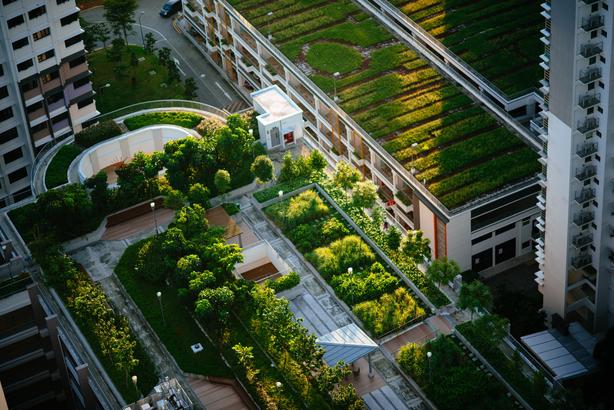
The Future of City Design
In the rapidly changing landscape of urban environments, city design is evolving to meet the needs of a growing population and address pressing challenges such as climate change, resource scarcity, and social inequality. The future of city design is shaping up to be innovative, sustainable, and human-centric.
Sustainability at the Core
Future cities are increasingly focusing on sustainability as a core principle. From green infrastructure to renewable energy sources, urban planners are incorporating eco-friendly solutions into every aspect of city design. This includes sustainable transportation systems, energy-efficient buildings, and green spaces that promote biodiversity and improve air quality.
Smart Technologies
Advancements in technology are revolutionising city design. Smart technologies such as Internet of Things (IoT), artificial intelligence (AI), and data analytics are being used to create more efficient and responsive urban environments. From smart traffic management systems to predictive maintenance of infrastructure, these technologies are enhancing the quality of life for city residents.
Human-Centric Design
Future cities are being designed with people in mind. Urban planners are prioritising walkability, accessibility, and social connectivity to create vibrant and inclusive communities. Public spaces are being reimagined to promote community engagement and foster a sense of belonging among residents. Designing cities that cater to the needs and well-being of their inhabitants is becoming a key focus in urban planning.
Resilience and Adaptability
With the increasing frequency of extreme weather events due to climate change, future cities need to be resilient and adaptable. City design is incorporating measures such as flood-resistant infrastructure, green roofs for stormwater management, and flexible building designs that can withstand various environmental challenges. Building resilience into the fabric of cities is essential for ensuring their long-term sustainability.
Collaborative Planning
The future of city design involves collaborative planning processes that engage diverse stakeholders in decision-making. From community consultations to public-private partnerships, involving various voices in the planning process leads to more inclusive and equitable outcomes. By fostering collaboration among government agencies, businesses, non-profit organisations, and residents, cities can create shared visions for their future development.
In conclusion, the future of city design holds great promise for creating more sustainable, liveable, and resilient urban environments. By embracing innovation, sustainability principles, human-centric design approaches, and collaborative planning processes, cities can pave the way for a brighter future for all residents.
Exploring Key Aspects of Future City Design: Sustainability, Technology, Human-Centric Approaches, Resilience, and Collaboration
- How is sustainability being integrated into future city design?
- What role do smart technologies play in shaping the future of city design?
- How are urban planners prioritising human-centric design in future cities?
- What measures are being taken to enhance the resilience and adaptability of future cities?
- How can collaborative planning processes contribute to the success of future city design projects?
How is sustainability being integrated into future city design?
In the realm of future city design, sustainability is a paramount consideration that is being seamlessly integrated into urban planning practices. The incorporation of sustainability principles involves a multifaceted approach, encompassing green infrastructure, energy-efficient technologies, and eco-friendly transportation systems. Urban planners are strategically implementing measures such as renewable energy sources, water conservation strategies, and green spaces to mitigate environmental impact and promote long-term resilience. By prioritising sustainability in future city design, communities are not only reducing their carbon footprint but also fostering healthier environments for residents to thrive in.
What role do smart technologies play in shaping the future of city design?
Smart technologies play a pivotal role in shaping the future of city design by revolutionising urban environments with their innovative capabilities. From enhancing efficiency in transportation systems to optimising energy consumption in buildings, smart technologies are driving sustainable solutions and improving the overall quality of life for city residents. By leveraging Internet of Things (IoT), artificial intelligence (AI), and data analytics, cities can create more responsive and interconnected infrastructures that cater to the evolving needs of a growing population. Embracing smart technologies enables cities to build resilient, adaptable, and human-centric spaces that pave the way for a more sustainable urban future.
How are urban planners prioritising human-centric design in future cities?
Urban planners are prioritising human-centric design in future cities by placing a strong emphasis on creating urban environments that cater to the needs and well-being of their inhabitants. This approach involves designing cities with a focus on walkability, accessibility, social connectivity, and community engagement. By reimagining public spaces to promote interaction and a sense of belonging, urban planners are striving to create vibrant and inclusive communities where residents can thrive. Incorporating human-centric design principles not only enhances the quality of life for city dwellers but also fosters a sense of connection and ownership among residents towards their urban environment.
What measures are being taken to enhance the resilience and adaptability of future cities?
In the pursuit of enhancing resilience and adaptability in future city design, urban planners are implementing a variety of innovative measures. These include the development of flood-resistant infrastructures, such as elevated buildings and permeable pavements, which help manage stormwater effectively. Cities are also incorporating green roofs and walls to improve insulation and reduce urban heat islands. Additionally, flexible zoning laws are being introduced to allow for adaptive reuse of spaces in response to changing needs. Urban areas are increasingly investing in renewable energy sources to ensure a steady supply during disruptions. Furthermore, smart technologies like real-time data monitoring systems are being deployed to anticipate and respond swiftly to environmental changes or emergencies. By integrating these strategies, cities aim to enhance their capacity to withstand and recover from various challenges posed by climate change and rapid urbanisation.
How can collaborative planning processes contribute to the success of future city design projects?
Collaborative planning processes play a crucial role in the success of future city design projects by bringing together diverse stakeholders to share their expertise, perspectives, and ideas. By involving government agencies, businesses, non-profit organisations, residents, and other key players in the decision-making process, collaborative planning ensures that the needs and aspirations of all community members are taken into account. This inclusive approach leads to more holistic and innovative solutions that address complex urban challenges effectively. Additionally, collaborative planning fosters a sense of ownership and buy-in among stakeholders, promoting long-term commitment to the project’s success and sustainability. Ultimately, by promoting collaboration and shared decision-making, collaborative planning processes help create future city designs that are not only functional and efficient but also reflective of the values and aspirations of the communities they serve.