The Future of Transportation: Smart Mobility Solutions
In an increasingly urbanised world, the need for efficient and sustainable transportation solutions has never been more critical. Smart mobility is revolutionising the way we move around cities, offering innovative technologies and strategies to improve transportation systems.
What is Smart Mobility?
Smart mobility refers to the integration of technology and data into transportation services to make them more efficient, safe, and environmentally friendly. This includes a range of solutions such as:
- Electric vehicles: Reducing emissions and reliance on fossil fuels.
- Ride-sharing platforms: Optimising vehicle occupancy and reducing traffic congestion.
- Public transport enhancements: Implementing real-time tracking systems and smart ticketing.
- Mobility-as-a-Service (MaaS): Offering integrated, multi-modal transportation options through digital platforms.
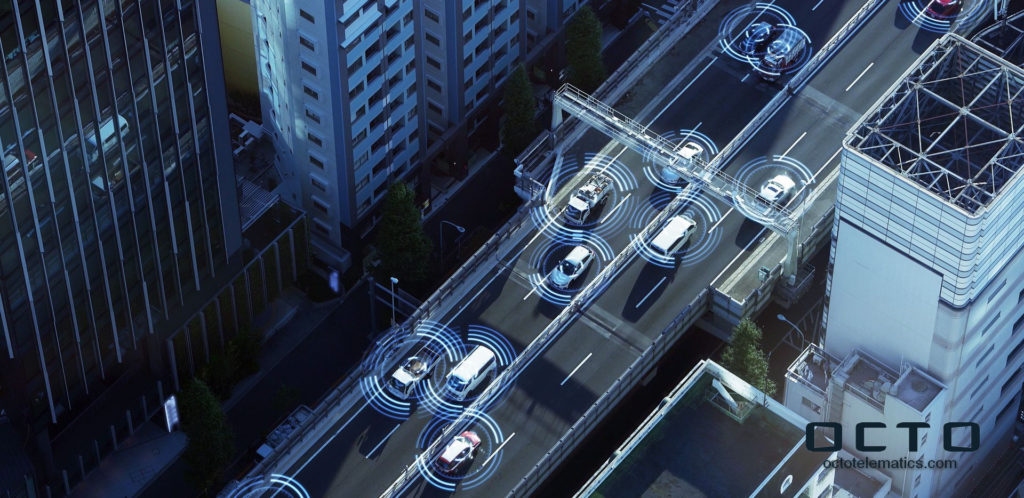
- Connected infrastructure: Utilising sensors and IoT devices to improve traffic flow and safety.
The Benefits of Smart Mobility
The adoption of smart mobility solutions brings numerous benefits to both individuals and communities:
- Reduced carbon footprint: By promoting electric vehicles and sustainable transport options.
- Improved efficiency: Through real-time data analysis for better route planning and traffic management.
- Enhanced safety: With advanced driver assistance systems and connected infrastructure to prevent accidents.
- Cost savings: By optimising resources and reducing overall transportation expenses.
- Better accessibility: Providing inclusive transportation options for all members of society.
The Future Outlook
As technology continues to advance, the future of smart mobility looks promising. Autonomous vehicles, AI-driven traffic management systems, and seamless interconnectivity between different modes of transport are just some of the innovations on the horizon. By embracing these developments, cities can create more liveable environments with efficient, sustainable transportation networks that benefit everyone.
8 Smart Mobility Tips for a Greener and More Efficient Commute
- Utilize public transportation whenever possible to reduce traffic congestion.
- Consider carpooling or ride-sharing to decrease the number of vehicles on the road.
- Use bike-sharing services for short trips in urban areas.
- Opt for electric vehicles or hybrids to lower emissions and contribute to a cleaner environment.
- Plan your routes efficiently using smart navigation apps to save time and fuel.
- Embrace walking as a mode of transport for short distances instead of driving.
- Support initiatives for pedestrian-friendly infrastructure in cities.
- Stay informed about new mobility solutions and technologies to make informed choices.
Utilize public transportation whenever possible to reduce traffic congestion.
Utilising public transportation whenever feasible is a key tip in implementing smart mobility solutions to alleviate traffic congestion. By opting for buses, trains, or trams instead of private vehicles, individuals can contribute to reducing the number of cars on the road, thus easing traffic flow and minimising environmental impact. Embracing public transport not only promotes a more sustainable mode of travel but also enhances overall urban mobility by fostering a more efficient and interconnected transportation network for everyone’s benefit.
Consider carpooling or ride-sharing to decrease the number of vehicles on the road.
Considering carpooling or ride-sharing is a smart mobility solution that can significantly reduce the number of vehicles on the road. By sharing rides with others, individuals can optimise vehicle occupancy, decrease traffic congestion, and lower carbon emissions. This not only promotes a more sustainable and efficient transportation system but also fosters a sense of community and collaboration among commuters. Embracing carpooling and ride-sharing initiatives can lead to a more environmentally friendly and cost-effective way of getting around, benefiting both individuals and the wider society.
Use bike-sharing services for short trips in urban areas.
Utilising bike-sharing services for short trips in urban areas is a smart mobility solution that offers numerous benefits. Not only does it provide a convenient and eco-friendly way to navigate through the city, but it also helps reduce traffic congestion and emissions. By opting for bike-sharing, individuals can enjoy a cost-effective and healthy mode of transportation while contributing to a more sustainable urban environment.
Opt for electric vehicles or hybrids to lower emissions and contribute to a cleaner environment.
By choosing electric vehicles or hybrids as your mode of transportation, you can significantly reduce emissions and play a vital role in promoting a cleaner environment. These eco-friendly options offer a sustainable alternative to traditional petrol or diesel vehicles, helping to minimise air pollution and combat climate change. Making the switch to electric or hybrid vehicles not only benefits the environment but also contributes towards creating a healthier and more sustainable future for generations to come.
Plan your routes efficiently using smart navigation apps to save time and fuel.
Planning your routes efficiently using smart navigation apps is a key tip for maximising the benefits of smart mobility solutions. By leveraging these apps, you can not only save valuable time during your journeys but also reduce fuel consumption and emissions. Smart navigation apps provide real-time traffic updates, alternative route suggestions, and optimised directions based on current conditions. This proactive approach not only enhances your travel experience but also contributes to a more sustainable and eco-friendly transportation system.
Embrace walking as a mode of transport for short distances instead of driving.
Embracing walking as a mode of transport for short distances instead of driving is a simple yet effective smart mobility solution that can have a significant impact on both personal health and the environment. By choosing to walk instead of drive, individuals not only reduce their carbon footprint but also promote physical activity and well-being. Walking encourages a more connected and vibrant community by allowing people to engage with their surroundings at a slower pace, fostering a sense of belonging and sustainability in urban areas. This small change in transportation habits can contribute to creating more pedestrian-friendly cities and ultimately lead to a healthier, greener future for all.
Support initiatives for pedestrian-friendly infrastructure in cities.
Supporting initiatives for pedestrian-friendly infrastructure in cities is a crucial aspect of smart mobility solutions. By prioritising pedestrians and creating safe, accessible walking environments, cities can reduce traffic congestion, improve air quality, and enhance the overall quality of urban life. Promoting walking as a viable mode of transportation not only benefits individual health and well-being but also contributes to building more sustainable and inclusive communities. Investing in pedestrian infrastructure demonstrates a commitment to creating people-centric urban spaces that are both efficient and environmentally friendly.
Stay informed about new mobility solutions and technologies to make informed choices.
Staying informed about new mobility solutions and technologies is crucial for making informed choices that can positively impact how we move around cities. By keeping abreast of the latest advancements in smart mobility, individuals and communities can make decisions that promote sustainability, efficiency, and safety in transportation. Whether it’s learning about electric vehicles, ride-sharing platforms, or innovative public transport enhancements, staying informed empowers us to embrace smart mobility solutions that contribute to a more sustainable and interconnected urban environment.