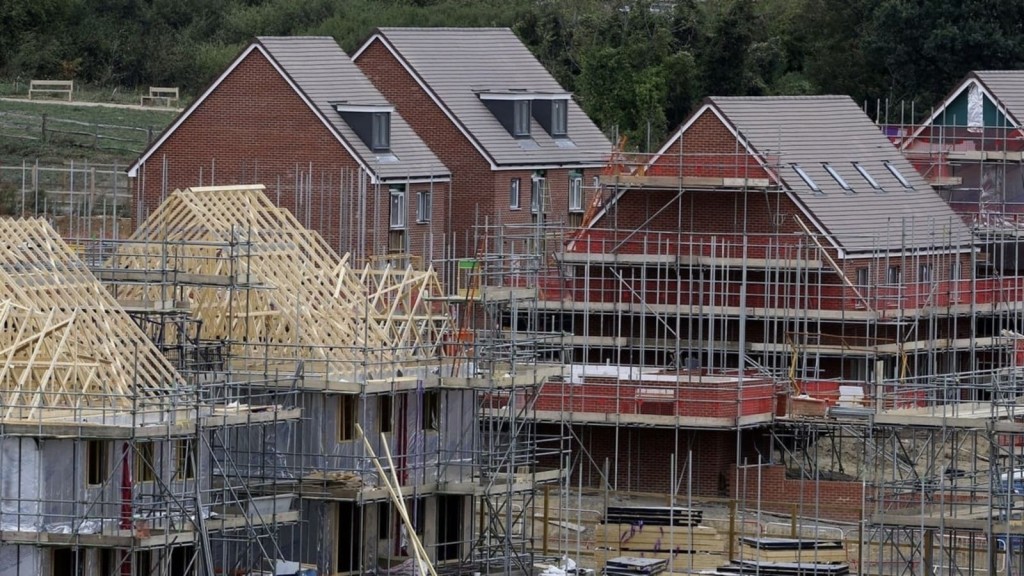
The Future of Sustainable Housing Development
In recent years, the concept of sustainable housing development has gained significant traction as communities and governments worldwide recognise the urgent need to address environmental challenges. Sustainable housing development focuses on creating homes that are energy-efficient, environmentally friendly, and socially responsible. This approach not only benefits the planet but also enhances the quality of life for residents.
Key Principles of Sustainable Housing Development
One of the fundamental principles of sustainable housing development is energy efficiency. This involves designing buildings that minimise energy consumption through features such as insulation, energy-efficient appliances, and renewable energy sources like solar panels. By reducing energy usage, sustainable homes help lower utility bills for residents while decreasing their carbon footprint.
Another essential aspect of sustainable housing development is the use of environmentally friendly materials. Builders are increasingly turning to recycled or locally sourced materials to reduce the environmental impact of construction. Additionally, sustainable homes often incorporate green spaces and landscaping to promote biodiversity and improve air quality.
The Benefits of Sustainable Housing
Sustainable housing offers a wide range of benefits for both residents and the environment. Energy-efficient homes are more comfortable to live in, with stable indoor temperatures and improved air quality. By reducing reliance on fossil fuels, sustainable housing helps combat climate change and contributes to a healthier planet for future generations.
Furthermore, sustainable housing developments often foster a sense of community by promoting shared spaces and encouraging social interaction among residents. These communities prioritise pedestrian-friendly design, public transportation access, and amenities that support a healthy lifestyle.
The Future Outlook
As awareness of environmental issues continues to grow, the demand for sustainable housing development is expected to rise. Governments are implementing policies to incentivise green building practices and encourage developers to adopt sustainable design principles. With advances in technology and construction methods, the future of sustainable housing looks promising as we strive towards creating greener, more resilient communities.
In conclusion, sustainable housing development represents a crucial step towards a more environmentally conscious future. By prioritising energy efficiency, eco-friendly materials, and community well-being, we can build homes that not only meet our needs today but also contribute to a more sustainable tomorrow.
Nine Benefits of Sustainable Housing Developments: Building a Greener Future
- Energy efficiency leads to lower utility bills for residents.
- Reduced carbon footprint helps combat climate change.
- Environmentally friendly materials promote sustainability in construction.
- Improved indoor air quality enhances residents’ health and well-being.
- Green spaces and landscaping support biodiversity and ecosystem health.
- Community-focused design fosters social interaction among residents.
- Pedestrian-friendly layouts encourage active lifestyles and reduce reliance on cars.
- Access to public transportation options promotes sustainable mobility within the community.
- Sustainable housing developments contribute to a more resilient and environmentally conscious society.
Challenges in Sustainable Housing Development: Cost, Expertise, Infrastructure, and Regulation
- Initial higher cost of construction due to eco-friendly materials and energy-efficient features
- Limited availability of skilled professionals experienced in sustainable building practices
- Potential challenges in adapting existing infrastructure to meet sustainability standards
- Regulatory complexities and varying building codes may hinder widespread adoption of sustainable housing
Energy efficiency leads to lower utility bills for residents.
One significant advantage of sustainable housing development is its focus on energy efficiency, which ultimately leads to lower utility bills for residents. By incorporating features such as insulation, energy-efficient appliances, and renewable energy sources like solar panels, sustainable homes reduce energy consumption and costs. This not only benefits residents financially by lowering their monthly utility expenses but also contributes to a more sustainable lifestyle by decreasing overall energy demand and carbon emissions. Sustainable housing development offers a practical solution that not only saves money for residents but also promotes environmental stewardship for a greener future.
Reduced carbon footprint helps combat climate change.
Reduced carbon footprint resulting from sustainable housing development plays a vital role in combating climate change. By minimising energy consumption and incorporating renewable energy sources, sustainable homes significantly decrease greenhouse gas emissions. This proactive approach to reducing carbon emissions contributes to the global effort to mitigate the impacts of climate change, ultimately fostering a more sustainable and environmentally responsible future for generations to come.
Environmentally friendly materials promote sustainability in construction.
Environmentally friendly materials play a pivotal role in promoting sustainability in construction. By opting for recycled or locally sourced materials, sustainable housing developers reduce the environmental impact of building projects. These materials not only help conserve natural resources but also minimise carbon emissions associated with transportation and production. Incorporating eco-friendly materials into construction practices is a proactive step towards creating more sustainable buildings that contribute to a greener future for generations to come.
Improved indoor air quality enhances residents’ health and well-being.
Improved indoor air quality is a significant benefit of sustainable housing development that directly impacts residents’ health and well-being. By implementing features such as proper ventilation systems, non-toxic building materials, and efficient air filtration, sustainable homes create a healthier living environment. Clean indoor air reduces the risk of respiratory issues, allergies, and other health problems associated with poor air quality. Residents of sustainable homes can breathe easier, feel more comfortable, and enjoy better overall well-being thanks to the focus on maintaining high indoor air quality standards.
Green spaces and landscaping support biodiversity and ecosystem health.
Green spaces and landscaping in sustainable housing developments play a vital role in supporting biodiversity and ecosystem health. By incorporating native plants, trees, and green infrastructure, these areas provide habitats for a diverse range of wildlife species. This not only enhances the natural beauty of the community but also promotes pollination, improves air quality, and helps maintain ecological balance. Additionally, green spaces offer residents opportunities for recreation, relaxation, and connection with nature, contributing to their overall well-being and quality of life.
Community-focused design fosters social interaction among residents.
One of the key benefits of sustainable housing development is its focus on community-oriented design, which plays a vital role in fostering social interaction among residents. By incorporating shared spaces, pedestrian-friendly layouts, and communal amenities, sustainable housing developments create environments that encourage residents to engage with one another. This emphasis on community building not only enhances the quality of life for residents but also promotes a sense of belonging and connection within the neighbourhood. Ultimately, community-focused design in sustainable housing development cultivates a vibrant and supportive social environment that enriches the lives of those who call it home.
Pedestrian-friendly layouts encourage active lifestyles and reduce reliance on cars.
Pedestrian-friendly layouts are a key benefit of sustainable housing development as they promote active lifestyles and reduce reliance on cars. By designing neighbourhoods with walkable streets, green spaces, and amenities within easy reach, residents are encouraged to engage in physical activity and interact with their surroundings. This not only improves health and well-being but also reduces the need for car travel, leading to lower carbon emissions and less congestion on roads. Sustainable housing developments that prioritise pedestrian-friendly layouts create vibrant communities where residents can enjoy a healthier lifestyle while contributing to a more sustainable urban environment.
Access to public transportation options promotes sustainable mobility within the community.
Promoting sustainable mobility within the community is a key benefit of sustainable housing development. By providing easy access to public transportation options, such as bus stops, train stations, and cycling infrastructure, sustainable housing developments encourage residents to choose eco-friendly modes of transport. This not only reduces reliance on private vehicles but also helps decrease traffic congestion and air pollution in the area. Access to public transportation not only enhances the convenience and affordability of travel for residents but also contributes to a more sustainable and interconnected community.
Sustainable housing developments contribute to a more resilient and environmentally conscious society.
Sustainable housing developments play a vital role in building a more resilient and environmentally conscious society. By incorporating energy-efficient design, eco-friendly materials, and sustainable practices, these developments help reduce carbon emissions, conserve natural resources, and minimise environmental impact. As communities embrace sustainable housing solutions, they not only enhance their resilience to climate change but also foster a culture of environmental stewardship that benefits both current and future generations.
Initial higher cost of construction due to eco-friendly materials and energy-efficient features
One significant drawback of sustainable housing development is the initial higher cost of construction attributed to the use of eco-friendly materials and energy-efficient features. While these elements are essential for reducing environmental impact and long-term operational costs, they often come with a premium price tag during the construction phase. This upfront investment can pose a barrier for some developers and homeowners, potentially limiting the widespread adoption of sustainable building practices. However, it’s important to consider that the higher initial cost is offset by long-term savings in energy bills and maintenance expenses, making sustainable housing a sound investment in the future sustainability of our communities.
Limited availability of skilled professionals experienced in sustainable building practices
One significant challenge facing sustainable housing development is the limited availability of skilled professionals experienced in sustainable building practices. As the demand for green construction grows, there is a shortage of architects, engineers, and construction workers with expertise in designing and implementing sustainable building techniques. This scarcity can lead to delays in projects, increased costs, and compromises in the quality of sustainable homes. Addressing this con requires investing in training programmes and education to build a workforce capable of meeting the increasing demand for environmentally friendly construction practices.
Potential challenges in adapting existing infrastructure to meet sustainability standards
Adapting existing infrastructure to meet sustainability standards poses a significant challenge in sustainable housing development. Retrofitting older buildings to improve energy efficiency and reduce environmental impact can be complex and costly. Structural limitations, outdated systems, and the need for extensive renovations often hinder the transition to sustainable practices. Additionally, balancing the preservation of historical or cultural significance with modern sustainability requirements can present a delicate balance. Overcoming these challenges requires innovative solutions, careful planning, and collaboration between stakeholders to ensure that existing infrastructure can effectively meet the evolving standards of sustainability in housing development.
Regulatory complexities and varying building codes may hinder widespread adoption of sustainable housing
One significant challenge facing the widespread adoption of sustainable housing development is the regulatory complexities and varying building codes that exist across different regions. These inconsistencies can create barriers for developers seeking to implement sustainable design practices, as they must navigate a maze of regulations and requirements that may not always align with green building standards. This lack of uniformity can lead to delays, increased costs, and confusion among stakeholders, ultimately hindering the seamless integration of sustainable housing solutions on a larger scale.