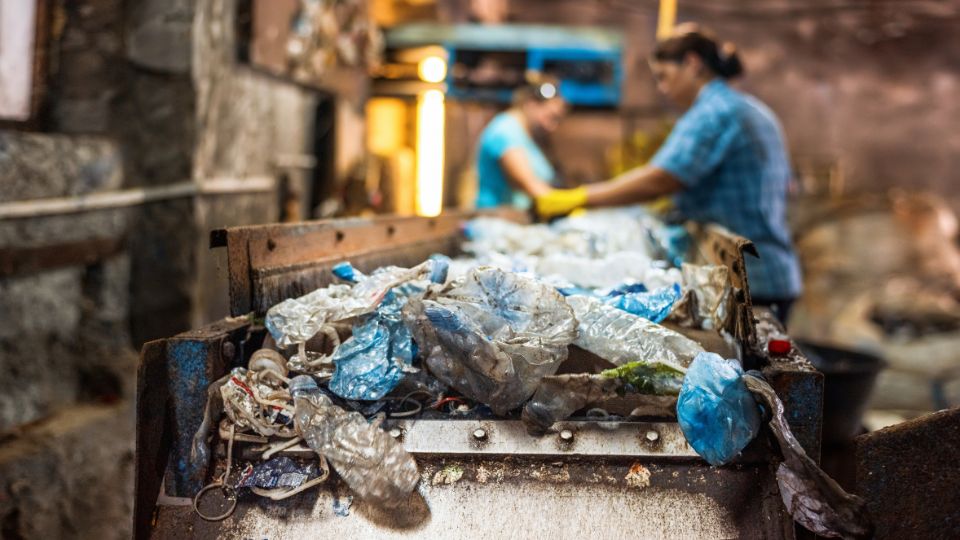
The Importance of Proper Waste Disposal
Waste disposal is a critical aspect of maintaining a clean and healthy environment. Improper waste management can have serious consequences for both human health and the ecosystem. It is essential to understand the importance of disposing of waste responsibly to protect our planet and future generations.
Environmental Impact
When waste is not disposed of properly, it can contaminate soil, water sources, and air. This pollution can harm wildlife, destroy habitats, and contribute to climate change. By recycling and properly disposing of waste, we can reduce the amount of pollution that enters our environment.
Health Risks
Improper waste disposal can pose significant health risks to communities. Dumping waste in landfills or water bodies can lead to the spread of diseases and toxins. Inadequate waste management practices can also attract pests and vermin, further endangering public health.
Sustainable Practices
Adopting sustainable waste disposal practices is crucial for preserving natural resources and reducing our ecological footprint. Recycling materials, composting organic waste, and reducing single-use plastics are effective ways to minimise the amount of waste that ends up in landfills.
Community Responsibility
Proper waste disposal is not just a task for governments or businesses; it is a responsibility that every individual shares. By being mindful of how we dispose of our waste – whether it be at home, work, or in public spaces – we can collectively make a positive impact on the environment.
Conclusion
In conclusion, proper waste disposal is essential for safeguarding our environment, protecting public health, and promoting sustainability. By taking proactive steps to reduce, reuse, and recycle our waste, we can contribute to a cleaner and healthier planet for current and future generations.
Essential Guide to Waste Disposal: Frequently Asked Questions and Best Practices
- What can be recycled?
- How should I dispose of hazardous waste?
- What is the best way to reduce household waste?
- Where can I find information on local waste disposal regulations?
- Is it better to compost organic waste or dispose of it in the trash?
- How do I properly dispose of electronic waste (e-waste)?
- Are there any incentives for recycling or proper waste disposal?
- What are the environmental impacts of improper waste disposal?
- Can businesses benefit from implementing sustainable waste management practices?
What can be recycled?
When it comes to waste disposal, a common question that arises is, “What can be recycled?” Recycling plays a crucial role in reducing the amount of waste that ends up in landfills and helps conserve valuable resources. Items such as paper, cardboard, glass bottles, aluminium cans, and certain plastics are commonly recyclable. It is important to check with local recycling facilities or guidelines to determine which materials can be recycled in your area. By separating recyclable items from general waste and ensuring they are properly disposed of, individuals can actively contribute to a more sustainable and environmentally friendly waste management system.
How should I dispose of hazardous waste?
When it comes to disposing of hazardous waste, it is crucial to follow specific guidelines to ensure the safety of both the environment and human health. Hazardous waste, such as chemicals, batteries, and electronic devices, should never be disposed of in regular bins or poured down drains. Instead, it is recommended to contact local authorities or specialist waste disposal services for proper handling and disposal of hazardous materials. By adhering to proper protocols for hazardous waste disposal, we can prevent contamination and environmental harm while promoting a cleaner and safer community for all.
What is the best way to reduce household waste?
To effectively reduce household waste, adopting sustainable practices such as recycling, composting, and minimising single-use items is key. By separating recyclable materials from general waste and ensuring they are disposed of correctly, we can divert a significant amount of waste from landfills. Composting organic waste like food scraps and yard trimmings not only reduces the volume of rubbish but also produces nutrient-rich soil for gardening. Additionally, opting for reusable products over disposable ones can help cut down on unnecessary packaging waste. By making small changes in our daily habits and being mindful of our consumption patterns, we can make a positive impact on reducing household waste and promoting a more environmentally friendly lifestyle.
Where can I find information on local waste disposal regulations?
For those seeking information on local waste disposal regulations, it is advisable to contact the relevant local authority or council in your area. Local councils often provide detailed guidelines and resources regarding waste disposal regulations, including information on recycling centres, collection schedules, and proper disposal methods for different types of waste. Additionally, many councils have dedicated websites or helplines where residents can access up-to-date information and assistance regarding waste management practices in their community. By consulting with local authorities, individuals can ensure they are complying with regulations and contributing to a cleaner environment.
Is it better to compost organic waste or dispose of it in the trash?
When considering whether to compost organic waste or dispose of it in the trash, it is important to weigh the environmental impact of each option. Composting organic waste offers numerous benefits, such as reducing methane emissions from landfills, enriching soil quality, and diverting waste from incineration. On the other hand, disposing of organic waste in the trash can lead to increased landfill volume and contribute to greenhouse gas emissions. Therefore, opting to compost organic waste is generally considered a more sustainable choice that aligns with efforts to promote resource conservation and reduce overall environmental harm.
How do I properly dispose of electronic waste (e-waste)?
When it comes to properly disposing of electronic waste (e-waste), it is crucial to follow responsible recycling practices to minimise environmental impact. Electronic devices contain hazardous materials that can be harmful if not handled correctly. To dispose of e-waste safely, consider recycling options provided by local authorities or electronic retailers. Many communities offer specific collection points or events for e-waste recycling. By choosing to recycle your electronic devices, you can help prevent harmful substances from entering the environment and contribute to a more sustainable waste management system.
Are there any incentives for recycling or proper waste disposal?
Incentives for recycling and proper waste disposal are increasingly being offered by local authorities and governments as a means to encourage sustainable practices among individuals and businesses. These incentives can take various forms, such as financial rewards, tax benefits, or access to exclusive services. By promoting recycling and responsible waste management through incentives, communities can incentivise positive behaviour change, reduce landfill waste, and contribute to a cleaner environment for all.
What are the environmental impacts of improper waste disposal?
Improper waste disposal has significant environmental impacts that can harm ecosystems and human health. When waste is not disposed of correctly, it can lead to pollution of soil, water sources, and the air. This pollution can disrupt natural habitats, endanger wildlife, and contribute to climate change. Toxins from improperly disposed waste can seep into the environment, contaminating water supplies and soil. Additionally, open dumping of waste attracts pests and vermin, posing a threat to public health. It is crucial to understand the detrimental effects of improper waste disposal and take proactive steps towards responsible waste management to mitigate these environmental impacts.
Can businesses benefit from implementing sustainable waste management practices?
Businesses can greatly benefit from implementing sustainable waste management practices. Not only do such practices help reduce operational costs by minimising waste disposal fees and promoting resource efficiency, but they also enhance a company’s reputation and appeal to environmentally conscious consumers. By prioritising sustainability in waste management, businesses can demonstrate their commitment to corporate social responsibility and contribute positively to the environment. Additionally, sustainable waste management practices can lead to innovation and the development of new revenue streams through recycling initiatives or partnerships with sustainable suppliers. Overall, embracing sustainability in waste disposal can create long-term benefits for businesses in terms of cost savings, brand image, and competitiveness in the market.