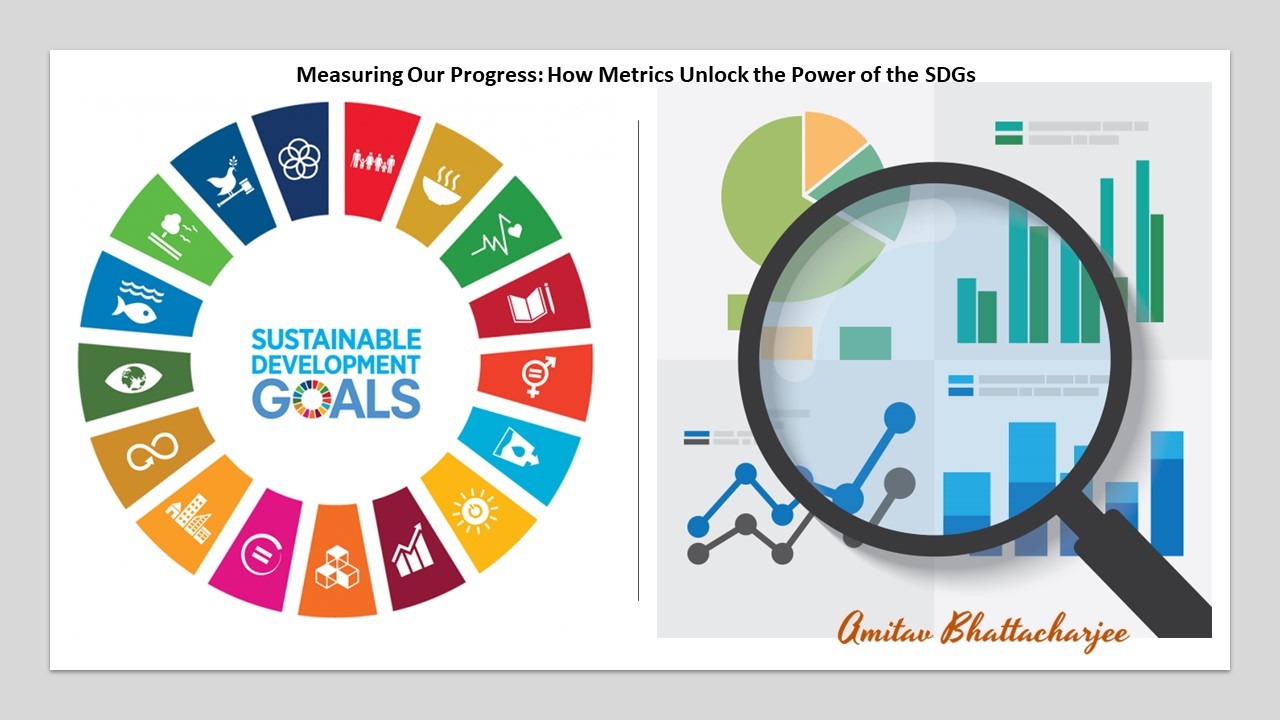
The Journey Towards Achieving Sustainable Development Goals
Since the adoption of the Sustainable Development Goals (SDGs) in 2015 by the United Nations, countries around the world have been working tirelessly to make progress towards these ambitious targets. The SDGs encompass a wide range of interconnected issues, from eradicating poverty and hunger to promoting gender equality and combating climate change.
Five years into the implementation of the SDGs, it is evident that significant strides have been made in various areas. For instance, access to clean water and sanitation has improved for millions of people, efforts to reduce inequality within and among countries have gained momentum, and renewable energy sources are becoming more widespread.
However, despite these achievements, there is still much work to be done. The COVID-19 pandemic has posed unprecedented challenges to the progress towards the SDGs, exacerbating existing inequalities and vulnerabilities. It has highlighted the urgent need for global cooperation and solidarity to build back better and greener.
Key Areas of Progress
- Climate Action: Countries are increasingly committing to reducing greenhouse gas emissions and transitioning towards a low-carbon economy. The Paris Agreement has played a crucial role in mobilising global efforts to combat climate change.
- Poverty Alleviation: Many countries have made significant strides in reducing poverty rates through targeted policies and programmes that focus on improving access to education, healthcare, and decent work opportunities.
- Gender Equality: Efforts to empower women and girls have gained momentum globally, with increased representation in leadership roles, improved access to education and healthcare services, and greater awareness of gender-based violence.
- Sustainable Cities: Urban areas are increasingly adopting sustainable practices such as efficient public transportation systems, green infrastructure development, waste management solutions, and affordable housing options.
- Quality Education: Progress has been made in expanding access to quality education for all, with a focus on enhancing skills development, promoting lifelong learning opportunities, and ensuring inclusive education for vulnerable groups.
The journey towards achieving the Sustainable Development Goals is not without its challenges. It requires strong political will, adequate resources, innovative solutions, and meaningful partnerships between governments, civil society organisations, businesses, and individuals. By working together towards a common vision of a more sustainable future for all, we can overcome these challenges and create a world that is equitable, resilient, and prosperous for generations to come.
Understanding Progress in Sustainable Development Goals: Key Questions and Insights
- What are the Sustainable Development Goals (SDGs) and why are they important?
- How are countries measuring progress towards the SDGs?
- What challenges have hindered the achievement of the Sustainable Development Goals?
- Which SDGs have shown the most progress so far, and which ones are lagging behind?
- What role does climate change play in the progress towards sustainable development goals?
- How has the COVID-19 pandemic impacted efforts to achieve the SDGs?
- What can individuals do to contribute to the advancement of sustainable development goals?
What are the Sustainable Development Goals (SDGs) and why are they important?
The Sustainable Development Goals (SDGs) are a set of 17 global objectives established by the United Nations to address pressing challenges facing humanity, including poverty, inequality, climate change, environmental degradation, peace, and justice. These goals provide a comprehensive framework for sustainable development that integrates economic, social, and environmental dimensions. They are important because they serve as a universal call to action to end poverty, protect the planet, and ensure prosperity for all. By setting clear targets and indicators, the SDGs guide governments, businesses, civil society organisations, and individuals in their efforts to create a more equitable, inclusive, and sustainable world for present and future generations.
How are countries measuring progress towards the SDGs?
Countries are measuring progress towards the Sustainable Development Goals (SDGs) through a variety of mechanisms and indicators. One common approach is the use of national statistical systems to collect data on key performance metrics related to each goal. This data is then analysed to track trends, identify gaps, and assess the impact of policies and programmes. Additionally, countries often engage in regular reporting to the United Nations on their progress towards the SDGs, providing a comprehensive overview of their achievements and challenges. Collaboration with international organisations, civil society groups, and other stakeholders also plays a crucial role in ensuring transparency and accountability in measuring progress towards the SDGs.
What challenges have hindered the achievement of the Sustainable Development Goals?
One of the frequently asked questions regarding the progress towards the Sustainable Development Goals is about the challenges that have impeded their achievement. Several factors have posed obstacles to reaching the SDGs, including inadequate funding and resources, lack of political commitment and governance structures, persistent inequalities within and among countries, climate change impacts, conflicts and humanitarian crises, as well as the recent disruptions caused by the COVID-19 pandemic. Addressing these challenges requires a comprehensive and coordinated effort at both national and global levels to ensure that no one is left behind in the pursuit of a sustainable future for all.
Which SDGs have shown the most progress so far, and which ones are lagging behind?
In assessing the progress towards the Sustainable Development Goals (SDGs), some goals have shown notable advancements, while others still face significant challenges. Goals such as SDG 3 (Good Health and Well-being) and SDG 7 (Affordable and Clean Energy) have demonstrated considerable progress, with improvements in healthcare access and renewable energy adoption. Conversely, goals like SDG 1 (No Poverty) and SDG 10 (Reduced Inequalities) continue to lag behind, as poverty rates persist in many regions, and inequalities remain prevalent. Addressing these disparities requires targeted interventions, increased collaboration, and a renewed commitment to leaving no one behind in the pursuit of sustainable development.
What role does climate change play in the progress towards sustainable development goals?
Climate change plays a pivotal role in the progress towards achieving sustainable development goals. Its impacts are far-reaching, affecting various aspects of society, economy, and the environment. As a key driver of poverty, inequality, and environmental degradation, climate change poses significant challenges to sustainable development efforts. By exacerbating natural disasters, disrupting food and water security, and threatening biodiversity, climate change hampers progress across multiple SDGs. Addressing climate change is therefore essential for advancing sustainable development goals, as mitigation and adaptation strategies are crucial for building resilience, promoting green growth, and ensuring a more sustainable future for all.
How has the COVID-19 pandemic impacted efforts to achieve the SDGs?
The COVID-19 pandemic has had a profound impact on efforts to achieve the Sustainable Development Goals (SDGs). The global crisis has exposed and exacerbated existing inequalities, pushing millions of people into poverty, disrupting healthcare systems, and disrupting progress in areas such as education, gender equality, and climate action. The pandemic has highlighted the interconnected nature of the SDGs and underscored the need for a coordinated, multi-sectoral response to address the immediate health crisis while also advancing long-term sustainable development goals. As countries grapple with the socio-economic fallout of the pandemic, there is a pressing need for renewed commitment, innovative solutions, and international cooperation to build back better and ensure that no one is left behind in the pursuit of a more equitable and sustainable future.
What can individuals do to contribute to the advancement of sustainable development goals?
Individuals play a crucial role in advancing the Sustainable Development Goals (SDGs) through their daily actions and choices. There are several ways in which individuals can contribute to the progress of the SDGs, such as adopting sustainable lifestyle practices like reducing waste, conserving energy, and supporting ethical and eco-friendly products. Additionally, raising awareness about the importance of sustainability within their communities, advocating for policy changes that promote environmental protection and social equity, and volunteering for local initiatives focused on sustainable development are all impactful ways for individuals to make a difference. By taking proactive steps towards sustainability in their personal lives and engaging in collective efforts towards positive change, individuals can play a significant part in achieving the SDGs and creating a more sustainable future for all.