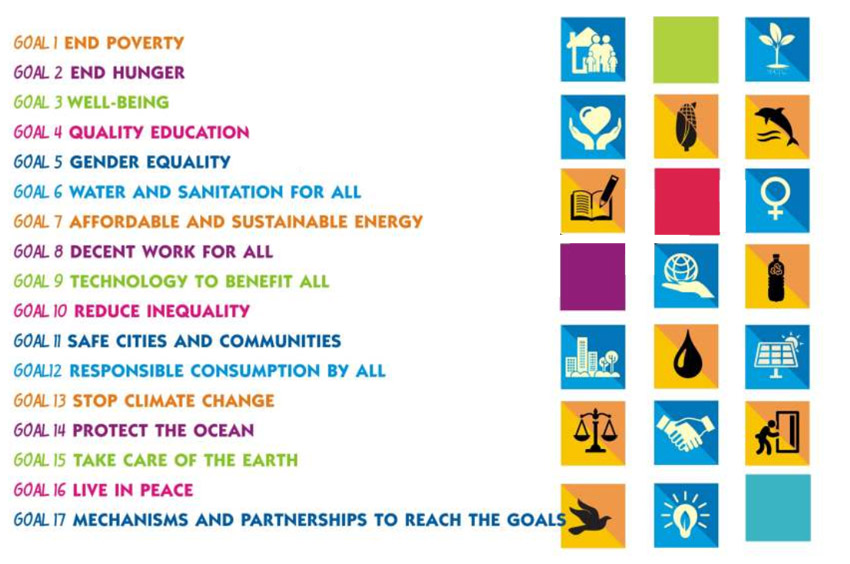
The 17 Sustainable Development Goals (SDGs)
The Sustainable Development Goals (SDGs) are a universal call to action to end poverty, protect the planet, and ensure that all people enjoy peace and prosperity. Adopted by all United Nations Member States in 2015 as part of the 2030 Agenda for Sustainable Development, the SDGs are interconnected and aim to leave no one behind. Here are the 17 SDGs:
- No Poverty
- Zero Hunger
- Good Health and Well-being
- Quality Education
- Gender Equality
- Clean Water and Sanitation
- Affordable and Clean Energy
- Decent Work and Economic Growth
- Industry, Innovation, and Infrastructure
- Reduced Inequality
- Sustainable Cities and Communities
- Responsible Consumption and Production
- Climate Action
The SDGs provide a framework for all countries to work towards a more sustainable future. By addressing these goals collectively, we can build a better world for present and future generations.
It is essential for governments, businesses, civil society, and individuals to collaborate in achieving the SDGs. Each goal is important on its own but also contributes to the overall vision of a more equitable, inclusive, and sustainable world.
As we strive towards meeting the SDGs by 2030, it is crucial for everyone to play their part in creating positive change. Together, we can make a difference and create a world where no one is left behind.
“The SDGs are not only a roadmap for development but also a blueprint for peace, prosperity, and partnership.”
Five Key Benefits of the SDGs: A Pathway to Global Sustainable Development
- The SDGs provide a clear roadmap for global sustainable development efforts.
- They address a wide range of issues, from poverty and hunger to climate action and gender equality.
- The SDGs promote collaboration and partnerships among countries, organizations, and individuals.
- Achieving the SDGs will lead to a more equitable and prosperous world for all.
- By working towards the SDGs, we can create a better future for current and future generations.
Addressing the Hurdles: Implementation Challenges, Inequality Gap, and Lack of Accountability in Achieving SDGs
The SDGs provide a clear roadmap for global sustainable development efforts.
The Sustainable Development Goals (SDGs) offer a distinct advantage by providing a clear roadmap for global sustainable development efforts. With 17 interconnected goals covering a wide range of social, economic, and environmental challenges, the SDGs guide countries and organisations towards a common vision of a more sustainable future. This structured framework not only helps in setting priorities but also facilitates coordinated actions at local, national, and international levels. By following the roadmap laid out by the SDGs, stakeholders can align their efforts more effectively, measure progress consistently, and work together towards achieving meaningful and lasting impact on a global scale.
They address a wide range of issues, from poverty and hunger to climate action and gender equality.
The Sustainable Development Goals (SDGs) stand out for their comprehensive approach in addressing a diverse array of global challenges. From tackling poverty and hunger to promoting climate action and gender equality, the SDGs encompass a broad spectrum of issues crucial for building a sustainable and equitable future. By encompassing such a wide range of concerns, the SDGs demonstrate a holistic understanding of the interconnectedness of social, economic, and environmental issues, highlighting the need for integrated solutions to create a more inclusive and resilient world for all.
The SDGs promote collaboration and partnerships among countries, organizations, and individuals.
The Sustainable Development Goals (SDGs) excel in fostering collaboration and partnerships among countries, organisations, and individuals. By emphasising the importance of working together towards common goals, the SDGs encourage a collective approach to addressing global challenges. Through collaboration, resources can be pooled, expertise shared, and innovative solutions developed to achieve sustainable development outcomes. This emphasis on partnership not only enhances the effectiveness of efforts to reach the SDGs but also promotes a sense of shared responsibility in building a better future for all.
Achieving the SDGs will lead to a more equitable and prosperous world for all.
Achieving the Sustainable Development Goals (SDGs) will pave the way for a more equitable and prosperous world for all. By addressing issues such as poverty, hunger, gender inequality, and climate change, the SDGs aim to create a level playing field where everyone has access to opportunities and resources needed to thrive. A world where the SDGs are met is one where prosperity is shared, inequalities are reduced, and sustainable development is prioritised. This holistic approach not only benefits individuals but also contributes to building resilient communities and a brighter future for generations to come.
By working towards the SDGs, we can create a better future for current and future generations.
By addressing the Sustainable Development Goals (SDGs), we have the opportunity to pave the way for a brighter future for both present and upcoming generations. By actively working towards these goals, we can ensure a world that is more sustainable, equitable, and inclusive. Through collective efforts to achieve the SDGs, we can leave a lasting positive impact on society and the environment, fostering a world where everyone has equal opportunities and access to resources. Embracing the SDGs means embracing a vision of progress that benefits not just our current communities but also those yet to come.
Implementation Challenges
Achieving all the Sustainable Development Goals (SDGs) by 2030 presents a significant con in the form of implementation challenges. This ambitious endeavour demands substantial resources, effective coordination, and unwavering commitment from all stakeholders involved. Countries and organisations worldwide are likely to encounter obstacles in executing the essential transformations needed to reach the SDG targets. Overcoming these hurdles will require innovative solutions, collaboration, and sustained dedication to ensure progress towards a more sustainable and equitable future for all.
Inequality Gap
Despite the SDGs’ noble aim to leave no one behind, a significant con that poses a challenge is the Inequality Gap. There is a looming risk that certain groups or regions may bear the brunt of the efforts to achieve these goals, leading to disproportionate impacts. The widening inequality gaps could potentially impede progress towards building a more sustainable and equitable world. Addressing this con requires a concerted effort to ensure that all individuals and communities have equal access to opportunities and resources, thus truly fulfilling the promise of the SDGs to create a better future for all.
Lack of Accountability
Lack of Accountability: Monitoring progress towards the SDGs and holding governments and institutions accountable for their commitments can be a challenge. Without robust mechanisms for tracking results and ensuring transparency, there is a risk of insufficient accountability in achieving the desired outcomes. This lack of accountability can hinder the effective implementation of the SDGs, as it may lead to delays, misallocation of resources, and ultimately, a failure to meet the ambitious targets set forth by the global community. It is crucial for stakeholders at all levels to prioritise accountability measures to ensure that efforts towards sustainable development are transparent, measurable, and impactful.