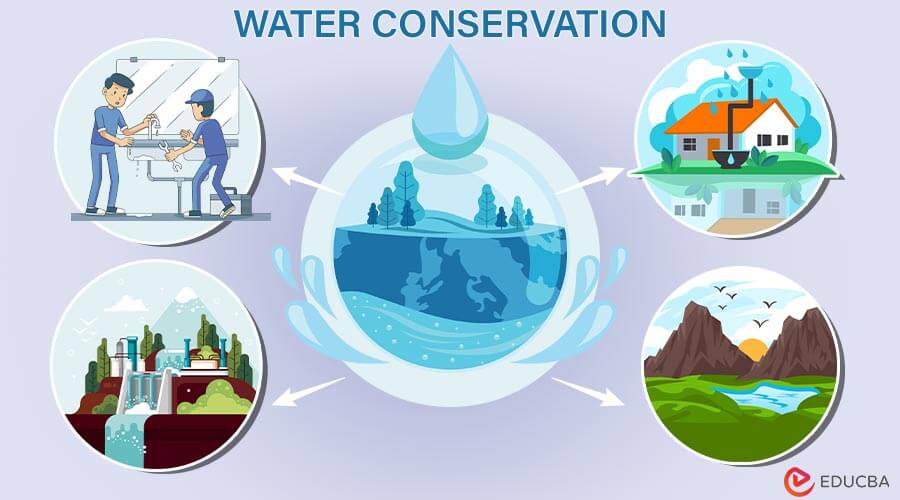
The Importance of Water Conservation Techniques
Water is a precious resource that is essential for life on Earth. With increasing population and climate change, it is more important than ever to conserve water and use it efficiently. By adopting water conservation techniques, we can help preserve this vital resource for future generations.
Fixing Leaks
One of the simplest yet most effective water conservation techniques is fixing leaks in faucets, pipes, and toilets. A small leak may seem insignificant, but over time it can waste a significant amount of water. Regularly checking for leaks and repairing them promptly can save gallons of water each day.
Installing Water-Efficient Fixtures
Upgrading to water-efficient fixtures such as low-flow toilets, showerheads, and faucets can greatly reduce water consumption in households and businesses. These fixtures are designed to maintain functionality while using less water, helping to conserve this precious resource without compromising comfort.
Collecting Rainwater
Rainwater harvesting is another effective technique for conserving water. By collecting rainwater from rooftops and storing it in tanks or barrels, you can use this harvested water for watering plants, washing cars, or even flushing toilets. This reduces the demand on municipal water sources and helps conserve freshwater supplies.
Mulching Gardens
Applying mulch to garden beds helps retain soil moisture by reducing evaporation and suppressing weed growth. This simple technique not only conserves water but also improves soil health and reduces the need for frequent watering. Organic mulches such as straw, wood chips, or compost are environmentally friendly options.
Using Water Wisely
Simple changes in daily habits can also contribute to water conservation. For example, turning off the tap while brushing teeth, taking shorter showers, and running full loads in the dishwasher or washing machine can all help reduce water wastage. Being mindful of how we use water can make a significant difference in conserving this valuable resource.
In conclusion, adopting water conservation techniques is crucial for sustainable living and preserving our planet’s freshwater resources. By implementing these simple yet effective practices in our daily lives, we can all play a part in ensuring a more sustainable future for generations to come.
Essential FAQs on Water Conservation Techniques and Practices
- 1. What are water conservation techniques?
- 2. How can I reduce water wastage at home?
- 3. What are some simple ways to conserve water in daily life?
- 4. Are there any government incentives for implementing water conservation measures?
- 5. How effective is rainwater harvesting in conserving water?
- 6. What are the benefits of using water-efficient fixtures?
- 7. Are there any community initiatives for promoting water conservation?
1. What are water conservation techniques?
Water conservation techniques refer to a variety of methods and practices aimed at reducing water wastage and promoting the efficient use of this essential resource. These techniques encompass a range of strategies, such as fixing leaks, installing water-efficient fixtures, collecting rainwater, mulching gardens, and adopting mindful water usage habits in daily routines. By implementing these techniques, individuals and communities can play a significant role in preserving freshwater supplies, mitigating the impact of water scarcity, and contributing to a more sustainable future for our planet.
2. How can I reduce water wastage at home?
To reduce water wastage at home, there are several effective techniques that can be implemented. Firstly, fixing any leaks in faucets, pipes, or toilets promptly can prevent the unnecessary loss of water. Upgrading to water-efficient fixtures such as low-flow toilets and showerheads can significantly reduce water consumption without compromising functionality. Additionally, collecting rainwater for tasks like watering plants or washing cars can help offset the use of treated water from municipal sources. Simple changes in daily habits, such as taking shorter showers and running full loads in the dishwasher or washing machine, can also contribute to minimising water wastage at home. By being mindful of our water usage and implementing these conservation techniques, we can all play a part in preserving this precious resource for future generations.
3. What are some simple ways to conserve water in daily life?
Incorporating simple water conservation techniques into our daily routines can make a significant impact on preserving this essential resource. Some easy ways to conserve water in daily life include fixing leaks in faucets and pipes promptly, using water-efficient fixtures such as low-flow toilets and showerheads, collecting rainwater for outdoor use, mulching garden beds to retain soil moisture, and practising mindful water usage habits like turning off the tap while brushing teeth or taking shorter showers. These small changes can add up to substantial water savings over time and contribute to a more sustainable approach to water usage in our everyday lives.
4. Are there any government incentives for implementing water conservation measures?
Government incentives for implementing water conservation measures can vary depending on the region and specific initiatives in place. In many countries, governments offer rebates, grants, or tax incentives to encourage individuals, businesses, and communities to adopt water-saving practices. These incentives may cover the installation of water-efficient fixtures, rainwater harvesting systems, or other water conservation technologies. By providing financial support for such initiatives, governments aim to promote sustainable water use and reduce overall water consumption. It is advisable to check with local authorities or environmental agencies to explore the available incentives for implementing water conservation measures in a particular area.
5. How effective is rainwater harvesting in conserving water?
Rainwater harvesting is a highly effective technique in conserving water resources. By collecting rainwater from rooftops and storing it for later use, this method helps reduce the demand on municipal water sources and minimizes the need to extract groundwater. Rainwater harvesting not only conserves freshwater supplies but also promotes self-sufficiency in water management. It is a sustainable practice that can be implemented on both small and large scales, making it a valuable tool in water conservation efforts worldwide.
6. What are the benefits of using water-efficient fixtures?
Using water-efficient fixtures offers a multitude of benefits for both individuals and the environment. By installing fixtures such as low-flow toilets, showerheads, and faucets, households can significantly reduce their water consumption and lower utility bills. These fixtures are designed to maintain performance while using less water, making them a cost-effective choice in the long run. Additionally, water-efficient fixtures help conserve precious freshwater resources, reduce strain on local water supplies, and contribute to overall sustainability efforts. Overall, embracing water-efficient fixtures not only leads to financial savings but also plays a crucial role in promoting responsible water usage and environmental conservation.
7. Are there any community initiatives for promoting water conservation?
Community initiatives play a crucial role in promoting water conservation efforts. Many local organisations, non-profits, and community groups are actively involved in raising awareness about the importance of water conservation and implementing practical solutions. These initiatives often involve educational campaigns, community events, and collaborative projects aimed at encouraging residents to adopt water-saving practices. By fostering a sense of collective responsibility and providing resources and support, community initiatives can have a significant impact on promoting sustainable water use at the grassroots level.