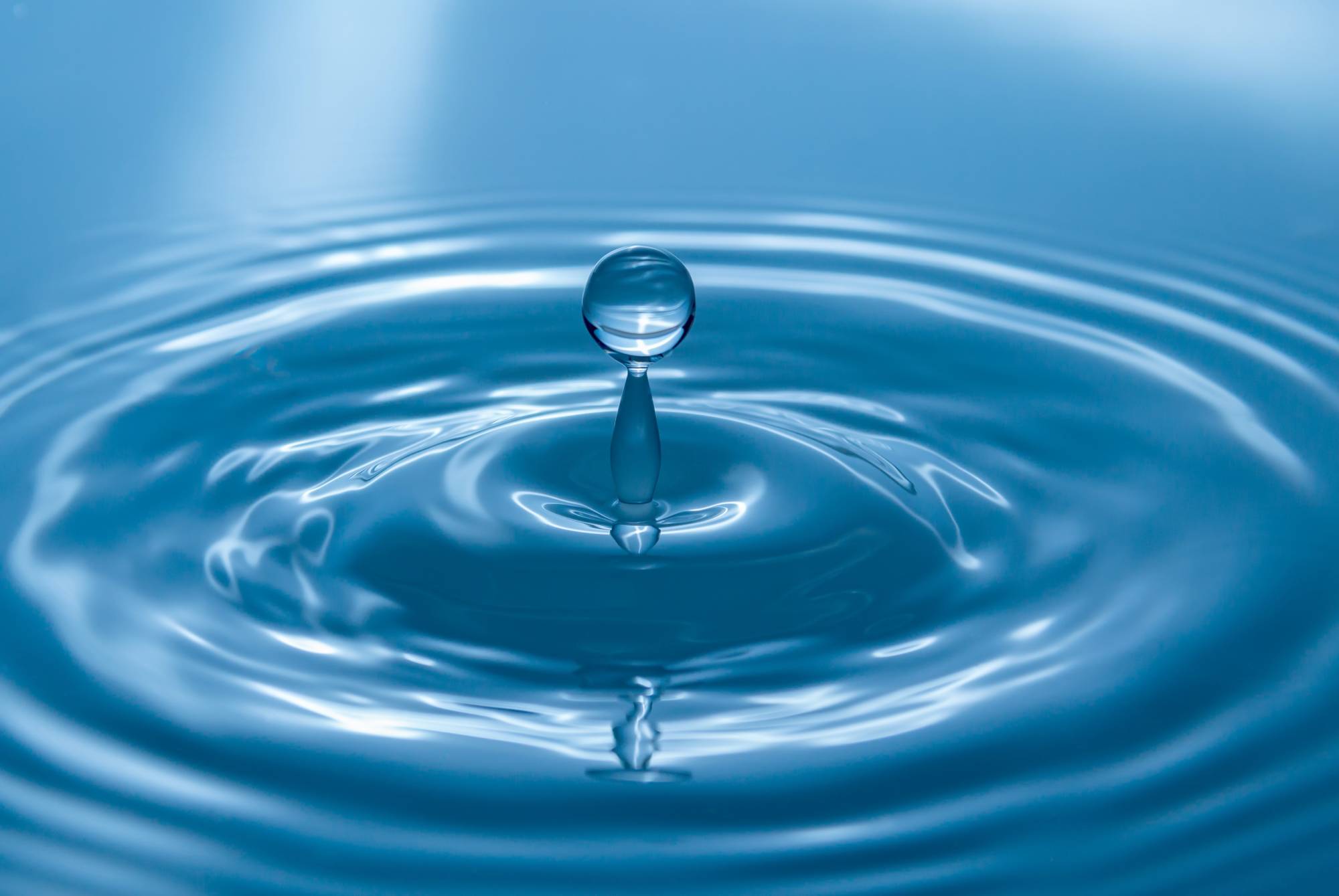
The Importance of Water Saving
Water is a precious resource that is essential for life on Earth. With growing populations and increasing demands, it is more important than ever to conserve water and use it wisely. Water saving not only helps to preserve this vital resource but also has a positive impact on the environment and our wallets.
Environmental Benefits
By reducing water consumption, we can help protect natural ecosystems that rely on water sources. Conserving water also lowers energy consumption associated with treating and pumping water, which in turn reduces greenhouse gas emissions and helps combat climate change. Additionally, saving water can prevent pollution of rivers, lakes, and oceans by reducing the amount of wastewater produced.
Economic Savings
Water saving measures can lead to significant cost savings for individuals, businesses, and communities. By using water-efficient appliances, fixing leaks promptly, and adopting smart irrigation practices, we can lower our water bills and reduce maintenance costs associated with water-related infrastructure. In the long run, these savings add up and contribute to overall financial well-being.
Tips for Water Saving
- Fix leaks in faucets, toilets, and pipes promptly.
- Install water-efficient appliances such as low-flow toilets and showerheads.
- Water your garden during cooler hours to reduce evaporation losses.
- Capture rainwater for outdoor use like watering plants or washing cars.
- Avoid leaving taps running unnecessarily while brushing teeth or washing dishes.
- Re-use greywater from baths or laundry for non-potable purposes.
Conclusion
Water saving is a simple yet powerful way to make a positive impact on both the environment and our daily lives. By adopting water-efficient practices and being mindful of our water usage, we can contribute to a more sustainable future for generations to come. Let’s all do our part in preserving this precious resource for the benefit of all.
Top 5 Tips for Saving Water at Home
- Turn off the tap while brushing your teeth.
- Take shorter showers to reduce water usage.
- Fix any leaking taps or pipes promptly.
- Collect rainwater for watering plants or washing cars.
- Run full loads in the dishwasher and washing machine.
Turn off the tap while brushing your teeth.
Turning off the tap while brushing your teeth is a simple yet effective water-saving tip that can make a significant difference in conserving this precious resource. By being mindful of our water usage habits, such as avoiding unnecessary running taps, we can contribute to reducing water wastage and promoting a more sustainable environment for future generations.
Take shorter showers to reduce water usage.
Taking shorter showers is a simple yet effective way to reduce water usage at home. By cutting down on shower time, we can significantly decrease the amount of water wasted while still maintaining personal hygiene. This small adjustment in our daily routine not only helps conserve water but also contributes to lower utility bills and a more sustainable lifestyle.
Fix any leaking taps or pipes promptly.
It is crucial to address any leaking taps or pipes promptly as part of water-saving efforts. Even a small leak can waste a significant amount of water over time, contributing to unnecessary water consumption and higher utility bills. By taking swift action to repair leaks, we not only conserve this precious resource but also prevent potential damage to property and infrastructure. Prioritising the timely fixing of leaks is a simple yet effective way to promote water efficiency and sustainability in our daily lives.
Collect rainwater for watering plants or washing cars.
Collecting rainwater for watering plants or washing cars is a practical and eco-friendly way to save water. By harnessing nature’s gift, we can reduce our reliance on treated water for non-potable purposes, thus conserving this precious resource. Not only does collecting rainwater help lower water bills, but it also promotes sustainability by utilising a natural source in an efficient manner. Embracing this simple tip not only benefits our wallets but also contributes to environmental conservation efforts, making a positive impact on our local ecosystems.
Run full loads in the dishwasher and washing machine.
To save water effectively, it is advisable to run full loads in both the dishwasher and washing machine. By maximising the capacity of each cycle, you can reduce the number of times these appliances need to be operated, ultimately conserving water. This simple practice not only helps in minimising water wastage but also contributes to lower energy consumption and reduced utility bills. By being mindful of running full loads, you can make a significant impact on water saving efforts in your household.