The Role of Technology in Water Conservation
Water is one of our most precious resources, and the need for effective water conservation has never been more critical. With growing populations and changing climate patterns putting pressure on water supplies, innovative solutions are essential to ensure a sustainable future.
Technology plays a crucial role in water conservation efforts by offering efficient ways to manage and reduce water usage. From smart irrigation systems to advanced leak detection tools, here are some key technologies making a significant impact:
Smart Irrigation Systems
Smart irrigation systems use sensors and weather data to adjust watering schedules based on real-time conditions. By delivering the right amount of water at the right time, these systems help prevent overwatering and reduce water waste significantly.
Low-Flow Fixtures
Low-flow fixtures such as faucets, showerheads, and toilets are designed to minimise water consumption without sacrificing performance. By using aerators and other innovative designs, these fixtures can help households and businesses save substantial amounts of water each year.
Water Recycling Systems
Water recycling systems capture and treat wastewater for reuse in non-potable applications like irrigation or industrial processes. By recycling greywater or rainwater, these systems reduce the demand for freshwater resources and lower overall water consumption.
Leak Detection Technologies
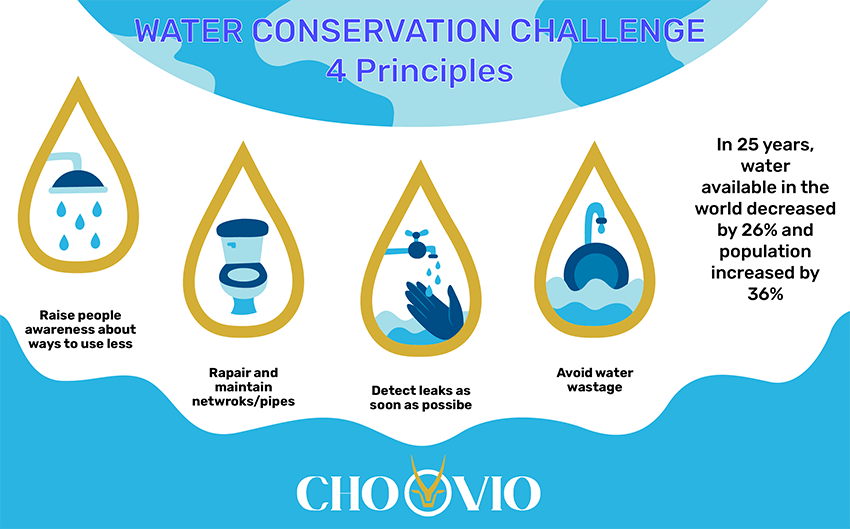
Advanced leak detection technologies can pinpoint leaks in plumbing systems quickly and accurately. By identifying and repairing leaks promptly, these tools help prevent water loss and minimise damage to infrastructure.
In conclusion, technology is a powerful ally in the fight for water conservation. By embracing innovative solutions and implementing sustainable practices, we can all contribute to preserving this vital resource for future generations.
9 Essential Tips for Embracing Water Conservation Technology in the UK
- Install water-efficient fixtures such as low-flow toilets and faucets.
- Use smart irrigation systems that adjust watering based on weather conditions.
- Collect rainwater using a rain barrel for outdoor watering.
- Fix leaks promptly to prevent water wastage.
- Consider installing greywater recycling systems for non-potable uses like flushing toilets or irrigation.
- Choose energy-efficient appliances like dishwashers and washing machines to reduce water usage.
- Take shorter showers and turn off the tap while brushing teeth or shaving.
- Insulate hot water pipes to reduce heat loss and save water used while waiting for hot water to reach the faucet.
- Educate others about the importance of water conservation and encourage them to adopt water-saving practices.
Install water-efficient fixtures such as low-flow toilets and faucets.
Installing water-efficient fixtures, such as low-flow toilets and faucets, is a simple yet effective tip for water conservation. These fixtures are designed to reduce water consumption without compromising on performance, helping households and businesses save significant amounts of water. By making this small change, individuals can contribute to sustainable water usage practices and play a part in preserving our precious water resources for the future.
Use smart irrigation systems that adjust watering based on weather conditions.
Using smart irrigation systems that adjust watering based on real-time weather conditions is a highly effective tip for water conservation. These innovative systems ensure that plants receive the optimal amount of water they need, reducing wastage from overwatering. By leveraging technology to tailor irrigation schedules according to current weather data, smart systems not only promote healthier plant growth but also contribute significantly to saving water resources. This sustainable approach to watering is a practical and efficient way to minimise water usage in landscaping and agriculture, ultimately supporting efforts towards a more sustainable future for our planet.
Collect rainwater using a rain barrel for outdoor watering.
Collecting rainwater using a rain barrel for outdoor watering is a simple yet effective tip for water conservation. By harnessing natural rainfall, you can reduce your reliance on treated water for tasks like watering plants and gardens. This eco-friendly practice not only helps conserve water but also lowers your utility bills and promotes sustainable living. Installing a rain barrel is a cost-effective way to make a positive impact on the environment while maintaining a lush outdoor space.
Fix leaks promptly to prevent water wastage.
Promptly fixing leaks is a crucial step in water conservation efforts. Even minor leaks can lead to significant water wastage over time, putting unnecessary strain on our precious water resources. By addressing leaks promptly, we not only prevent water loss but also contribute to reducing utility bills and avoiding potential damage to property. Embracing this simple tip can make a meaningful difference in our collective efforts to conserve water and promote sustainability.
Consider installing greywater recycling systems for non-potable uses like flushing toilets or irrigation.
When looking to enhance water conservation efforts, one effective tip is to consider installing greywater recycling systems. These systems allow for the collection and treatment of greywater from sources like sinks and showers, which can then be reused for non-potable purposes such as flushing toilets or irrigating gardens. By implementing greywater recycling technology, households and businesses can significantly reduce their reliance on fresh water sources for activities that do not require potable water, thus contributing to a more sustainable water management approach.
Choose energy-efficient appliances like dishwashers and washing machines to reduce water usage.
When aiming to conserve water, opting for energy-efficient appliances such as dishwashers and washing machines can significantly contribute to reducing water consumption. These appliances are designed to use water more efficiently, ensuring that each cycle maximises the cleaning process while minimising the amount of water required. By making this simple choice, households can make a positive impact on both their water usage and energy efficiency, promoting sustainability in daily routines.
Take shorter showers and turn off the tap while brushing teeth or shaving.
Taking shorter showers and turning off the tap while brushing teeth or shaving are simple yet effective ways to save water in our daily routines. By being mindful of our water usage habits, we can significantly reduce unnecessary wastage and contribute to water conservation efforts. These small changes not only help preserve this precious resource but also promote a more sustainable lifestyle for a greener future.
Insulate hot water pipes to reduce heat loss and save water used while waiting for hot water to reach the faucet.
Insulating hot water pipes is a simple yet effective tip for water conservation technology. By reducing heat loss from the pipes, this practice not only helps conserve energy but also saves water that would otherwise be wasted while waiting for hot water to reach the faucet. Insulation keeps the water in the pipes warmer for longer periods, meaning less running of taps to get hot water, ultimately leading to both energy and water savings. It’s a small change that can make a significant difference in promoting sustainable water usage in households and businesses.
Educate others about the importance of water conservation and encourage them to adopt water-saving practices.
It is crucial to educate others about the significance of water conservation and inspire them to embrace water-saving practices. By raising awareness about the finite nature of water resources and the environmental impact of excessive water usage, we can empower individuals to make informed choices that contribute to sustainable water management. Encouraging the adoption of simple yet effective practices, such as fixing leaks, using water-efficient appliances, and reducing unnecessary water consumption, can collectively make a substantial difference in conserving this precious resource for future generations.