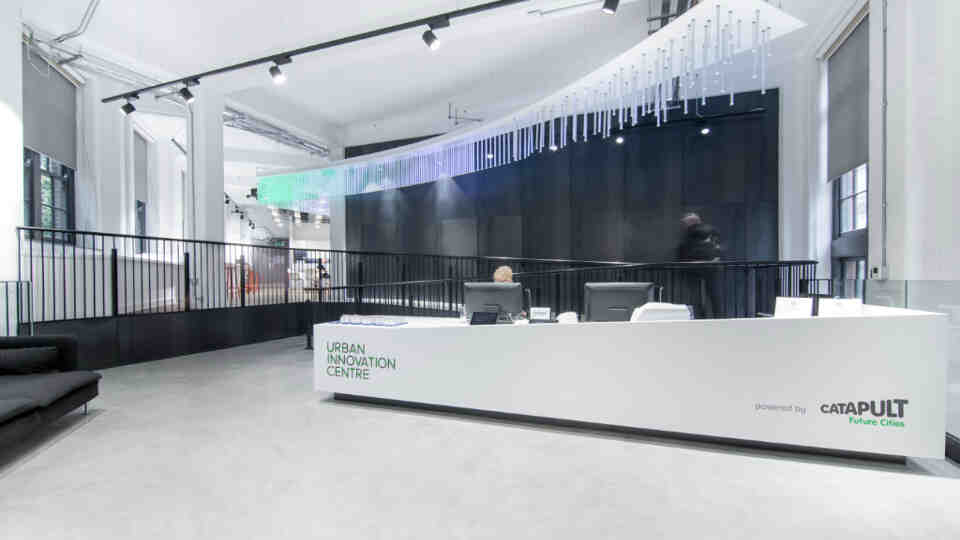
The Rise of Urban Innovations
Urban areas around the world are experiencing rapid growth and transformation, leading to a pressing need for innovative solutions to address various challenges. From sustainability and transportation to infrastructure and technology, urban innovations are playing a crucial role in shaping the cities of the future.
Sustainable Practices
One of the key focuses of urban innovations is sustainability. Cities are increasingly adopting green practices such as renewable energy sources, waste management systems, and green spaces to reduce their environmental impact. Sustainable architecture and urban planning are also gaining momentum, with buildings designed to be energy-efficient and environmentally friendly.
Smart Technologies
The integration of smart technologies is revolutionising urban living. From smart grids and IoT devices to data analytics and AI-powered solutions, cities are becoming more connected and efficient. Smart transportation systems, for example, are improving traffic flow and reducing congestion, while smart governance tools are enhancing public services and citizen engagement.
Inclusive Design
Urban innovations are also focusing on creating inclusive spaces that cater to the needs of all residents. Universal design principles are being incorporated into public infrastructure projects to ensure accessibility for people of all ages and abilities. In addition, initiatives promoting social inclusion and community engagement are fostering a sense of belonging and cohesion in urban areas.
The Future Outlook
As cities continue to evolve, the importance of urban innovations will only grow. By embracing sustainable practices, leveraging smart technologies, and prioritising inclusive design, urban areas can become more resilient, liveable, and equitable for all residents. The collaboration between government agencies, private sector partners, academic institutions, and community organisations will be essential in driving forward these innovative solutions.
Advancing Urban Innovation: Six Key Benefits for Sustainable and Inclusive Cities
- Enhance sustainability by promoting green practices and renewable energy sources.
- Improve efficiency through the integration of smart technologies and data-driven solutions.
- Create inclusive spaces that cater to the needs of diverse populations, fostering social cohesion.
- Revolutionise urban transportation systems, reducing congestion and improving accessibility.
- Boost economic development by attracting investments in innovative urban projects.
- Drive forward progress towards resilient, liveable, and equitable cities for all residents.
Challenges of Urban Innovations: Financial Strain, Privacy Concerns, and the Digital Divide
- Costly implementation of urban innovations may pose financial challenges for cities, especially those with limited budgets.
- Technological advancements in urban innovations could lead to concerns about data privacy and security for residents.
- Rapid adoption of new technologies in urban settings may exacerbate the digital divide, leaving certain populations behind.
Enhance sustainability by promoting green practices and renewable energy sources.
Urban innovations play a crucial role in enhancing sustainability by promoting green practices and renewable energy sources in urban areas. By integrating eco-friendly initiatives such as solar panels, wind turbines, and green spaces into city planning, urban environments can significantly reduce their carbon footprint and environmental impact. These efforts not only help combat climate change but also improve air quality, conserve natural resources, and create healthier living conditions for residents. Embracing renewable energy sources as part of urban innovations paves the way for a more sustainable future where cities can thrive in harmony with the environment.
Improve efficiency through the integration of smart technologies and data-driven solutions.
Urban innovations offer a significant advantage in enhancing efficiency through the seamless integration of smart technologies and data-driven solutions in urban environments. By leveraging advanced technologies such as IoT devices, data analytics, and AI-powered systems, cities can streamline operations, optimise resource allocation, and improve service delivery. Real-time data collection and analysis enable authorities to make informed decisions, respond promptly to changing circumstances, and enhance overall urban functionality. This proactive approach not only boosts efficiency but also paves the way for smarter, more sustainable cities that cater to the evolving needs of residents.
Create inclusive spaces that cater to the needs of diverse populations, fostering social cohesion.
Urban innovations have the remarkable ability to create inclusive spaces that cater to the diverse needs of populations, ultimately fostering social cohesion within urban communities. By incorporating universal design principles and promoting accessibility for individuals of all backgrounds and abilities, these initiatives ensure that no one is left behind. This focus on inclusivity not only enhances the quality of life for residents but also strengthens bonds among community members, leading to a more cohesive and harmonious urban environment where everyone feels valued and supported.
Revolutionise urban transportation systems, reducing congestion and improving accessibility.
Urban innovations have the incredible potential to revolutionise urban transportation systems, leading to a significant reduction in congestion and a marked improvement in accessibility. By implementing smart technologies and sustainable practices, cities can create more efficient and interconnected transportation networks that cater to the needs of residents. This not only enhances the overall mobility experience but also contributes to a more sustainable and liveable urban environment for all.
Boost economic development by attracting investments in innovative urban projects.
Urban innovations play a pivotal role in boosting economic development by attracting investments in innovative urban projects. By implementing cutting-edge solutions in areas such as infrastructure, technology, and sustainability, cities can create attractive opportunities for both public and private sector investors. These investments not only drive economic growth but also stimulate job creation, enhance competitiveness, and foster a dynamic urban environment that is conducive to further innovation and prosperity.
Drive forward progress towards resilient, liveable, and equitable cities for all residents.
Urban innovations play a pivotal role in driving forward progress towards resilient, liveable, and equitable cities for all residents. By embracing cutting-edge solutions in sustainability, technology, and inclusive design, urban areas can enhance their capacity to withstand challenges, improve quality of life for residents, and ensure that opportunities and resources are accessible to everyone. Through continuous innovation and collaboration, cities can evolve into vibrant and inclusive spaces where individuals from all walks of life can thrive and contribute to a more sustainable future.
Costly implementation of urban innovations may pose financial challenges for cities, especially those with limited budgets.
The implementation of urban innovations, while beneficial in many ways, can also present challenges, particularly in terms of cost. Cities, especially those with limited budgets, may struggle to finance the adoption of new technologies and sustainable practices. The upfront investment required for infrastructure upgrades, smart systems, and sustainable initiatives can place a significant financial burden on local governments and communities. This financial challenge may hinder the widespread adoption of urban innovations and limit their potential impact on improving city living conditions.
Technological advancements in urban innovations could lead to concerns about data privacy and security for residents.
Technological advancements in urban innovations bring forth a significant con related to data privacy and security for residents. As cities become more connected through smart technologies and data-driven solutions, there is a growing risk of personal information being collected, stored, and potentially misused. Concerns arise regarding the protection of sensitive data, surveillance practices, and the potential for breaches that could compromise individuals’ privacy. Balancing the benefits of technological progress with the need to safeguard residents’ data rights poses a critical challenge in the realm of urban innovations.
Rapid adoption of new technologies in urban settings may exacerbate the digital divide, leaving certain populations behind.
The rapid adoption of new technologies in urban settings poses a significant con in that it may exacerbate the digital divide, ultimately leaving certain populations behind. As cities embrace smart technologies and digital solutions to enhance efficiency and connectivity, there is a risk that marginalized communities, including low-income households and elderly residents, may struggle to access or benefit from these advancements. The widening gap in digital literacy and access to technology could further deepen existing inequalities, reinforcing disparities in education, employment opportunities, and social inclusion within urban areas. Efforts must be made to ensure that urban innovations are inclusive and equitable, bridging the digital divide to create a more accessible and connected city for all residents.