Smart Solutions for Smart Cities
The concept of smart cities is rapidly transforming the urban landscape, offering innovative solutions to age-old challenges. As urbanisation continues to rise, the need for efficient, sustainable, and intelligent city management becomes increasingly crucial. Smart solutions are at the heart of this transformation, enabling cities to enhance their infrastructure, improve quality of life for residents, and reduce environmental impact.
The Role of Technology in Smart Cities
Technology is the backbone of smart cities. It enables seamless communication between various systems and devices through the Internet of Things (IoT). This connectivity allows city planners to gather valuable data on traffic patterns, energy consumption, waste management, and more. By analysing this data, cities can optimise operations and make informed decisions that benefit both the environment and their citizens.
Key Smart Solutions
Intelligent Transportation Systems
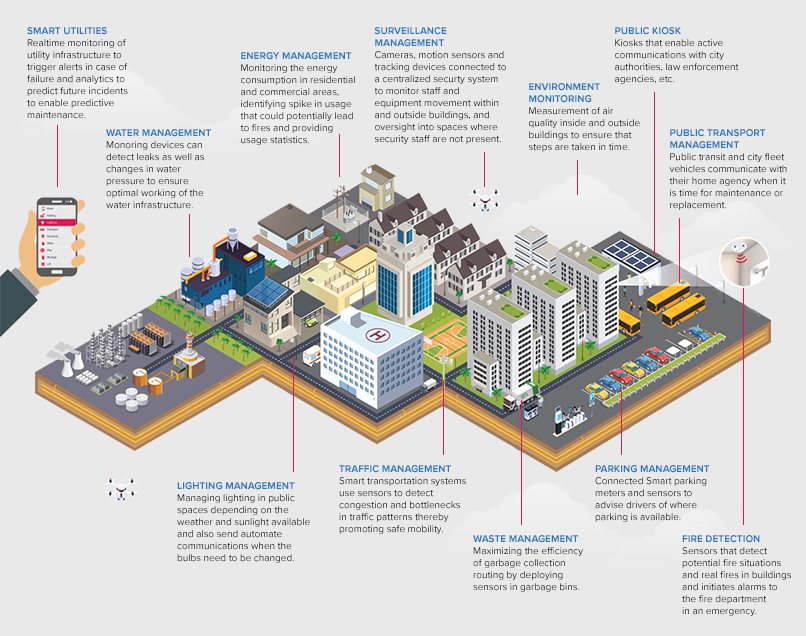
One of the most visible aspects of a smart city is its transportation system. Intelligent transportation solutions include real-time traffic monitoring, adaptive traffic signals, and integrated public transport systems. These innovations help reduce congestion and emissions while improving mobility for residents.
Sustainable Energy Management
Smart grids are revolutionising how energy is distributed and consumed in cities. By integrating renewable energy sources such as solar and wind power with traditional grids, cities can ensure a reliable supply while reducing their carbon footprint. Additionally, smart meters enable consumers to monitor their energy usage in real time, encouraging more sustainable behaviour.
Efficient Waste Management
Waste management is a significant challenge for urban areas. Smart waste solutions use sensors to monitor bin levels and optimise collection routes, reducing fuel consumption and operational costs. Furthermore, advanced recycling technologies help increase resource recovery rates.
Enhanced Public Safety
Cities are employing advanced surveillance systems equipped with AI-driven analytics to enhance public safety. These systems can detect unusual activities or emergencies in real time, allowing for faster response times from law enforcement agencies.
The Benefits of Smart Cities
The implementation of smart solutions offers numerous benefits beyond operational efficiency. Residents enjoy improved quality of life through reduced pollution levels and enhanced services such as healthcare and education facilitated by digital platforms.
Moreover, businesses thrive in smart cities due to increased connectivity and access to data-driven insights that inform strategic decisions. This environment fosters innovation and attracts investment from around the globe.
The Future of Urban Living
The journey towards fully realised smart cities is ongoing but promising. As technology continues to evolve at an unprecedented pace, so too will our ability to create urban spaces that are not only intelligent but also inclusive and resilient against future challenges.
In conclusion, embracing smart solutions is essential for any city aspiring towards sustainability while enhancing its residents’ quality of life—a vision that aligns perfectly with the goals set forth by modern urban planning strategies worldwide.
Exploring Smart Solutions: Key Questions and Benefits for Modern Cities
- What are smart solutions for smart cities?
- How do smart solutions benefit smart cities?
- What role does technology play in creating smart cities?
- What are some examples of smart solutions used in modern cities?
- How can businesses benefit from investing in smart city initiatives?
What are smart solutions for smart cities?
Smart solutions for smart cities encompass a range of innovative technologies and strategies designed to enhance urban living. These solutions leverage data, connectivity, and automation to improve various aspects of city life, including transportation, energy management, waste disposal, and public safety. By integrating smart technologies such as IoT devices, AI-driven analytics, and renewable energy sources, smart cities can optimise resource usage, reduce environmental impact, and enhance the overall quality of life for residents. Embracing these solutions is key to creating sustainable, efficient, and resilient urban environments that can adapt to the evolving needs of modern society.
How do smart solutions benefit smart cities?
Smart solutions play a pivotal role in benefiting smart cities by revolutionising urban infrastructure and services. These innovative technologies enable cities to improve efficiency, sustainability, and overall quality of life for residents. By harnessing the power of data analytics, IoT connectivity, and automation, smart solutions optimise transportation systems, energy management, waste disposal, public safety, and more. The result is a city that operates seamlessly, reduces environmental impact, enhances citizen well-being, and fosters economic growth. Ultimately, smart solutions empower smart cities to address complex challenges proactively and create a more liveable and resilient urban environment for current and future generations.
What role does technology play in creating smart cities?
Technology plays a pivotal role in the creation of smart cities by enabling seamless connectivity and data-driven decision-making. Through the integration of advanced technologies such as the Internet of Things (IoT) and artificial intelligence (AI), cities can gather real-time data on various aspects of urban life, from traffic flow to energy consumption. This wealth of information empowers city planners to optimise infrastructure, improve services, and enhance overall efficiency. By harnessing the power of technology, smart cities can address challenges proactively, foster sustainable growth, and ultimately create a more liveable environment for their residents.
What are some examples of smart solutions used in modern cities?
In modern cities, a diverse range of smart solutions are being implemented to address pressing urban challenges. Examples include intelligent transportation systems that utilise real-time data for traffic management and public transport optimisation, sustainable energy management through smart grids and renewable energy integration, efficient waste management systems employing sensor technology for optimised collection routes, and advanced surveillance systems enhancing public safety through AI-driven analytics. These innovative solutions not only improve operational efficiency but also contribute to a more sustainable and liveable urban environment for residents.
How can businesses benefit from investing in smart city initiatives?
Businesses can reap a multitude of benefits from investing in smart city initiatives. By engaging with these innovative projects, businesses gain access to a wealth of data and insights that can inform strategic decision-making and drive operational efficiency. Smart solutions enable businesses to streamline processes, reduce costs, and enhance productivity. Moreover, by aligning with the sustainability goals of smart cities, businesses can improve their environmental footprint and bolster their reputation as responsible corporate citizens. Investing in smart city initiatives not only future-proofs businesses but also positions them at the forefront of technological advancements, fostering growth and competitiveness in an ever-evolving urban landscape.