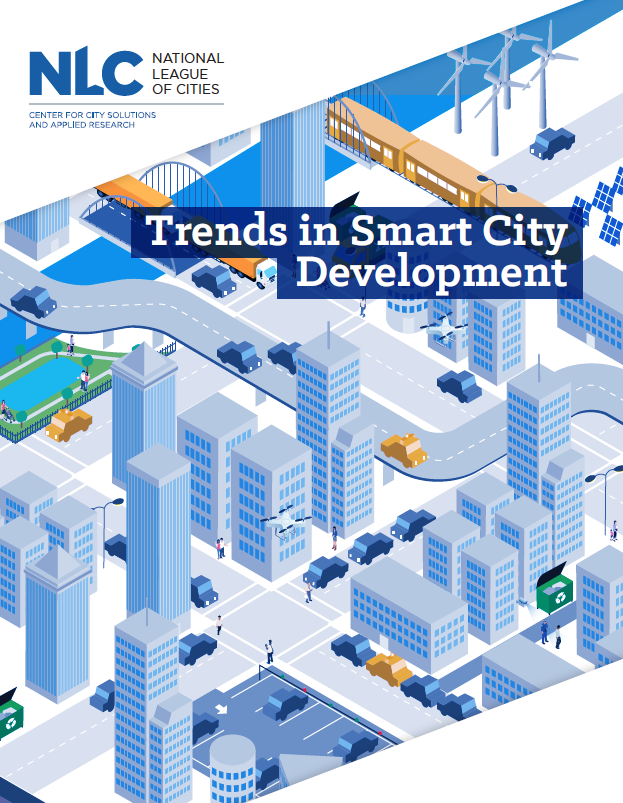
The Future of Urban Living: Smart Cities Solutions
In an increasingly interconnected world, the concept of smart cities is gaining momentum as a solution to the challenges faced by urban areas. Smart cities leverage technology and data to improve the quality of life for residents, enhance sustainability, and drive economic development.
Key Components of Smart Cities
Smart cities incorporate various technologies and solutions to create efficient and livable urban environments. Some key components include:
- IoT Sensors: Internet of Things (IoT) sensors are deployed across the city to collect real-time data on various aspects such as air quality, traffic flow, and energy consumption.
- Data Analytics: Advanced analytics tools are used to process the vast amounts of data generated by IoT sensors, enabling city officials to make informed decisions and improve service delivery.
- Sustainable Infrastructure: Smart cities focus on developing sustainable infrastructure, including renewable energy sources, efficient public transportation systems, and green buildings.
- Smart Governance: Digital platforms are employed to streamline governance processes, enhance citizen engagement, and promote transparency in decision-making.
- Cybersecurity Measures: As smart cities rely heavily on interconnected systems, robust cybersecurity measures are essential to protect sensitive data and infrastructure from cyber threats.
The Benefits of Smart Cities
The implementation of smart city solutions offers a wide range of benefits for both residents and local governments. These include:
- Improved Quality of Life: Smart cities enhance public services, reduce traffic congestion, and promote sustainable living practices, leading to a higher quality of life for residents.
- Economic Growth: By fostering innovation and attracting investment in technology sectors, smart cities stimulate economic growth and create new job opportunities.
- Sustainability: Through the adoption of eco-friendly practices and infrastructure, smart cities contribute to environmental conservation efforts and reduce carbon emissions.
- Efficient Resource Management: Data-driven decision-making enables efficient use of resources such as water, energy, and transportation services, resulting in cost savings for local governments.
The Road Ahead
While the concept of smart cities holds great promise for the future of urban living, challenges such as privacy concerns, digital divide issues, and funding constraints need to be addressed for widespread adoption. By fostering collaboration between government agencies, private sector partners, academia,
and citizens alike,
we can work towards creating smarter,
more resilient cities that benefit
all members
of society.
Together,
we can shape
a future where technology empowers us
to build thriving communities
for generations
to come.
Understanding Smart City Solutions: Examples, Sustainability, Risks, and Criticisms
- What are smart city solutions?
- What is an example of a smart city?
- What are the solutions to sustainable smart cities?
- What is smart city solutions for a riskier world?
- What is a smart city and why is it bad?
What are smart city solutions?
Smart city solutions encompass a range of innovative technologies and strategies designed to enhance urban living through data-driven decision-making and digital connectivity. These solutions leverage IoT sensors, data analytics, sustainable infrastructure, smart governance practices, and cybersecurity measures to create efficient, sustainable, and livable urban environments. By integrating technology into various aspects of city management, smart city solutions aim to improve public services, reduce environmental impact, enhance economic growth, and ultimately enhance the quality of life for residents.
What is an example of a smart city?
An example of a smart city is Singapore. Known for its innovative approach to urban development, Singapore has implemented various smart solutions to enhance the quality of life for its residents. The city-state utilises advanced technologies such as IoT sensors, data analytics, and smart infrastructure to improve efficiency in areas like transportation, waste management, and public services. Singapore’s smart initiatives have not only increased sustainability and resilience but also fostered economic growth and innovation, making it a leading example of a successful smart city transformation.
What are the solutions to sustainable smart cities?
When considering sustainable smart cities, a range of solutions come to the forefront to address the pressing challenges faced by urban areas. Implementing renewable energy sources, such as solar and wind power, plays a crucial role in reducing carbon emissions and promoting environmental sustainability. Efficient public transportation systems, including electric buses and bike-sharing schemes, help alleviate traffic congestion and improve air quality. Smart waste management practices, such as recycling initiatives and sensor-based monitoring systems, contribute to reducing landfill waste and promoting a circular economy. Additionally, green building standards and urban planning strategies that prioritise green spaces and biodiversity conservation are essential components in creating sustainable smart cities for future generations.
What is smart city solutions for a riskier world?
In an increasingly complex and interconnected world facing various risks, smart city solutions offer a proactive approach to mitigating potential challenges and enhancing resilience. By leveraging advanced technologies such as IoT sensors, data analytics, and AI-driven systems, smart cities can effectively monitor and respond to emerging risks in real-time. These solutions enable city officials to make data-driven decisions, improve emergency preparedness, and enhance public safety measures. By integrating risk management strategies into the fabric of urban planning and governance, smart cities can adapt to evolving threats and create a safer environment for residents in the face of uncertainty.
What is a smart city and why is it bad?
A smart city is an urban area that utilises technology and data-driven solutions to enhance efficiency, sustainability, and quality of life for its residents. While the concept of smart cities offers numerous benefits, such as improved public services, reduced environmental impact, and economic growth, some concerns have been raised about potential drawbacks. Critics argue that the implementation of smart city technologies could lead to issues related to privacy invasion, data security vulnerabilities, and digital exclusion for certain segments of the population. Addressing these challenges is crucial to ensure that smart cities remain inclusive, transparent, and respectful of individual rights as they strive to create more connected and resilient urban environments.