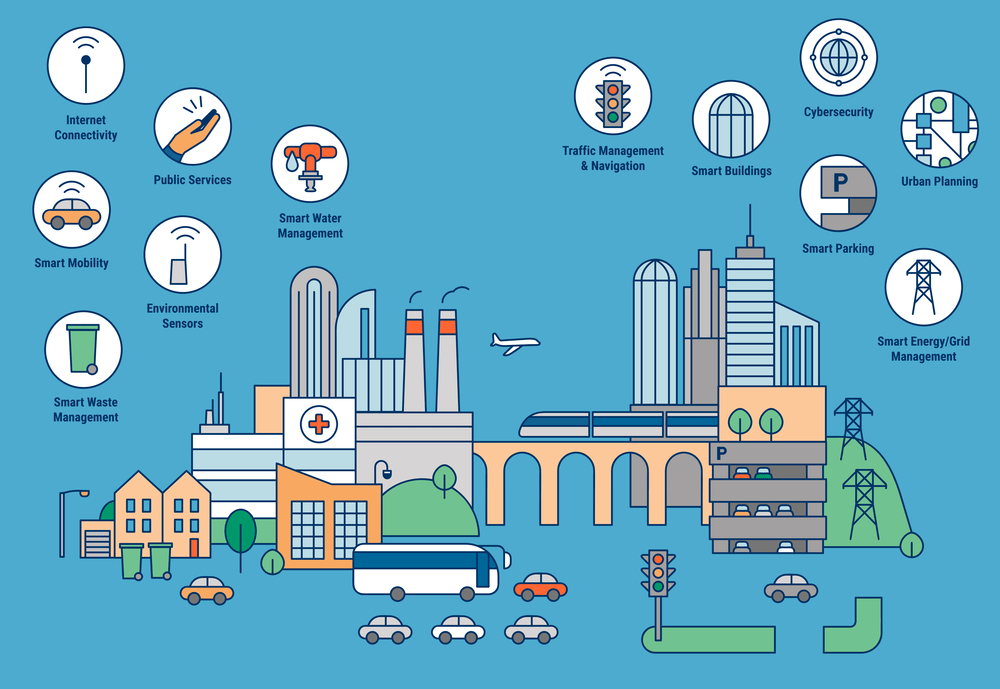
The Future of Infrastructure in Smart Cities
Smart cities are revolutionising the way we live, work, and interact with our environment. At the heart of this transformation is the development of innovative infrastructure that integrates technology to enhance efficiency, sustainability, and quality of life for residents.
Infrastructure in smart cities encompasses a wide range of sectors, including transportation, energy, water management, waste disposal, and communication systems. By leveraging data and connectivity, these systems can be optimised to respond dynamically to the needs of the city and its inhabitants.
Transportation
In smart cities, transportation infrastructure is designed to reduce congestion, improve safety, and promote sustainable modes of travel. This includes the implementation of intelligent traffic management systems, real-time public transport information, and the development of smart mobility solutions such as ride-sharing services and electric vehicle charging stations.
Energy
The energy infrastructure in smart cities focuses on increasing efficiency and promoting renewable energy sources. Smart grids enable better monitoring and management of electricity consumption, while initiatives like solar panels and wind turbines help reduce reliance on traditional power sources.
Water Management
Efficient water management is crucial for sustainable urban development. Smart cities employ technologies such as IoT sensors and data analytics to monitor water usage, detect leaks, and optimise irrigation systems. These measures help conserve water resources and minimise wastage.
Waste Disposal
Smart waste management systems use sensors and IoT devices to track waste levels in bins, schedule collection routes more efficiently, and enable recycling initiatives. By streamlining waste disposal processes, smart cities can reduce environmental impact and improve sanitation standards.
Communication Systems
Robust communication infrastructure is essential for facilitating connectivity among residents, businesses, and government services. Smart cities leverage high-speed broadband networks, IoT devices, and digital platforms to enhance communication channels and deliver services more effectively.
In conclusion, the future of infrastructure in smart cities is characterised by innovation, sustainability, and interconnectedness. By embracing technology-driven solutions across various sectors, cities can become more resilient, efficient,
and liveable environments for all who inhabit them.
Seven Essential Strategies for Building Sustainable and Smart Urban Infrastructure
- Implement efficient public transportation systems
- Promote sustainable energy sources and practices
- Utilize smart technology for waste management
- Create green spaces and promote urban biodiversity
- Develop smart infrastructure for water management
- Encourage digital connectivity and accessibility for all residents
- Prioritize data security and privacy in smart city initiatives
Implement efficient public transportation systems
Implementing efficient public transportation systems is a key component of building smart cities with sustainable infrastructure. By investing in reliable and convenient public transport options, cities can reduce traffic congestion, lower carbon emissions, and improve the overall quality of life for residents. Smart technologies such as real-time tracking, automated fare collection, and integrated route planning can enhance the efficiency and effectiveness of public transportation systems, making them more attractive to commuters and encouraging a shift towards greener modes of travel.
Promote sustainable energy sources and practices
Promoting sustainable energy sources and practices is a fundamental aspect of building smart cities with resilient and eco-friendly infrastructure. By encouraging the adoption of renewable energy sources such as solar, wind, and hydroelectric power, cities can reduce their carbon footprint and dependency on fossil fuels. Implementing energy-efficient practices in buildings, transportation systems, and public facilities further contributes to a more sustainable urban environment, ensuring a cleaner and greener future for generations to come.
Utilize smart technology for waste management
Utilising smart technology for waste management in smart cities can bring about significant improvements in efficiency and sustainability. By implementing IoT sensors and data analytics, cities can monitor waste levels, optimise collection routes, and promote recycling initiatives. This not only helps reduce environmental impact but also enhances the overall cleanliness and hygiene of urban areas. Smart waste management systems enable cities to streamline processes, minimise waste generation, and contribute towards a more environmentally conscious community.
Create green spaces and promote urban biodiversity
Creating green spaces and promoting urban biodiversity are essential components of building sustainable and liveable smart cities. By integrating parks, gardens, and green corridors into urban landscapes, cities can enhance air quality, provide recreational areas for residents, and support diverse ecosystems. Promoting urban biodiversity not only improves the overall health and well-being of city dwellers but also contributes to mitigating the effects of climate change and preserving natural habitats within urban environments. Embracing these initiatives fosters a harmonious balance between urban development and environmental conservation in the quest for smarter and more resilient cities.
Develop smart infrastructure for water management
Developing smart infrastructure for water management is essential for creating sustainable and efficient urban environments. By integrating IoT sensors and data analytics into water systems, cities can monitor usage patterns, detect leaks, and optimise irrigation processes. This not only helps conserve precious water resources but also ensures that water is used more effectively, contributing to a greener and more resilient cityscape. Smart water management infrastructure plays a crucial role in promoting environmental sustainability and enhancing the quality of life for residents in smart cities.
Encourage digital connectivity and accessibility for all residents
Encouraging digital connectivity and accessibility for all residents is a fundamental aspect of building inclusive and equitable smart cities. By ensuring that every individual has access to digital technologies and the internet, cities can empower their citizens to participate fully in the digital economy, access essential services, and engage with their communities. This commitment to connectivity not only fosters social cohesion but also drives innovation and economic growth, ultimately creating a more vibrant and connected urban environment for all residents to thrive in.
Prioritize data security and privacy in smart city initiatives
In the realm of smart cities and infrastructure, it is paramount to prioritise data security and privacy within all initiatives. As cities become increasingly interconnected through technology, the collection and utilisation of data play a crucial role in improving urban efficiency and quality of life. However, safeguarding this data against cyber threats and ensuring the privacy rights of citizens are upheld are fundamental responsibilities. By implementing robust security measures and transparent privacy policies, smart city projects can thrive while maintaining trust and integrity among residents and stakeholders alike.