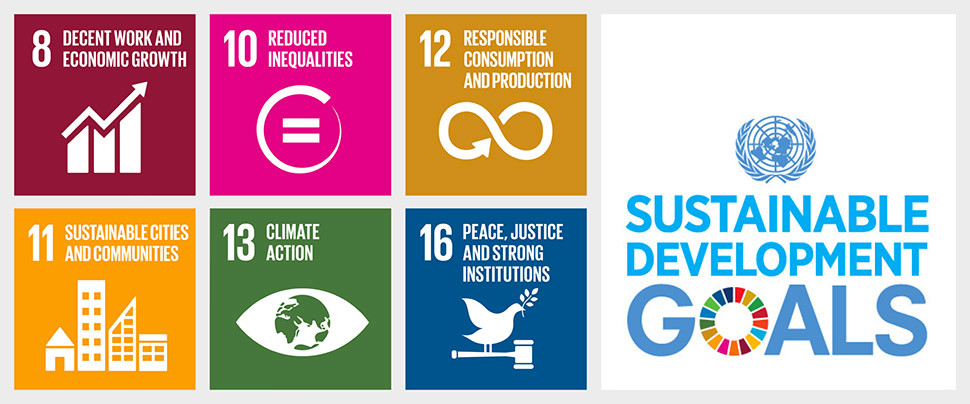
The Importance of Sustainable Development Goal 6: Clean Water and Sanitation
Sustainable Development Goal 6 (SDG 6) focuses on ensuring availability and sustainable management of water and sanitation for all. This goal is crucial for achieving a sustainable future as access to clean water and sanitation is essential for human health, well-being, and economic development.
One of the key targets of SDG 6 is to achieve universal and equitable access to safe and affordable drinking water for all by 2030. Currently, billions of people around the world still lack access to clean drinking water, leading to widespread health issues and economic challenges. By prioritising investments in water infrastructure and sanitation facilities, countries can improve the quality of life for their citizens and promote overall development.
Furthermore, SDG 6 emphasises the importance of improving water quality by reducing pollution, eliminating dumping of hazardous chemicals and materials into water sources, and protecting ecosystems that provide clean water. By safeguarding our water resources, we can ensure a sustainable environment for future generations.
Another critical aspect of SDG 6 is promoting hygiene practices and increasing awareness about the importance of proper sanitation. Access to basic sanitation facilities is essential for preventing the spread of diseases and improving overall public health. By investing in sanitation infrastructure and promoting good hygiene behaviours, we can create healthier communities and reduce healthcare costs.
In conclusion, Sustainable Development Goal 6 plays a vital role in building a more sustainable and equitable world. By prioritising clean water and sanitation initiatives, we can improve public health, protect the environment, and drive economic development. It is essential for governments, businesses, civil society organisations, and individuals to work together towards achieving SDG 6 targets for a better future for all.
8 Essential Tips for Supporting Sustainable Development Goal 6: Clean Water and Sanitation
- Conserve water by fixing leaks and using water-efficient fixtures.
- Support policies that promote sustainable water management.
- Participate in local clean-up activities to protect water bodies.
- Educate others about the importance of clean water and sanitation.
- Reduce pollution by properly disposing of chemicals and waste.
- Harvest rainwater for gardening and other non-potable uses.
- Advocate for improved sanitation facilities in underserved areas.
- Use eco-friendly products to minimise harmful runoff into waterways.
Conserve water by fixing leaks and using water-efficient fixtures.
Conserving water by fixing leaks and using water-efficient fixtures is a simple yet effective way to contribute to Sustainable Development Goal 6: Clean Water and Sanitation. By addressing leaks in our water systems and installing fixtures that reduce water consumption, we can significantly decrease water wastage and promote sustainable water management. This small action not only helps in preserving this precious resource for future generations but also plays a part in ensuring access to clean and safe water for all, aligning with the objectives of SDG 6.
Support policies that promote sustainable water management.
Supporting policies that promote sustainable water management is crucial for achieving Sustainable Development Goal 6. By advocating for and implementing policies that prioritise efficient use of water resources, reduction of pollution, and protection of water ecosystems, we can ensure access to clean water for all while safeguarding our environment. Sustainable water management policies not only benefit current generations by improving public health and economic development but also contribute to a more resilient and sustainable future for generations to come. It is essential for governments, businesses, and communities to work together in support of such policies to create a world where clean water is a fundamental right for everyone.
Participate in local clean-up activities to protect water bodies.
Participating in local clean-up activities is a practical and impactful way to contribute to Sustainable Development Goal 6, which focuses on clean water and sanitation. By joining efforts to clean up water bodies in our communities, we not only help protect the environment but also ensure the availability of clean water for current and future generations. These activities raise awareness about the importance of preserving water resources and encourage responsible behaviour towards our natural surroundings. Every individual’s involvement in local clean-up initiatives plays a significant role in promoting sustainable water management practices and fostering a healthier environment for all.
Educate others about the importance of clean water and sanitation.
Educating others about the significance of clean water and sanitation is a crucial step towards achieving Sustainable Development Goal 6. By raising awareness about the impact of access to safe drinking water and proper sanitation on health, well-being, and economic development, we can inspire individuals and communities to take action. Through education, we can empower people to make informed choices, adopt sustainable practices, and advocate for policies that ensure universal access to clean water and sanitation for all. Together, through knowledge-sharing and advocacy efforts, we can work towards a more sustainable future where everyone has access to essential resources for a healthy life.
Reduce pollution by properly disposing of chemicals and waste.
Reducing pollution through proper disposal of chemicals and waste is a crucial step towards achieving Sustainable Development Goal 6. By ensuring that hazardous chemicals and materials are disposed of in a safe and environmentally friendly manner, we can protect our water sources, ecosystems, and public health. Proper waste management practices not only prevent contamination of water bodies but also contribute to a cleaner and healthier environment for current and future generations. It is imperative that individuals, businesses, and governments take responsibility for the proper disposal of chemicals and waste to support the goal of clean water and sanitation for all.
Harvest rainwater for gardening and other non-potable uses.
Harvesting rainwater for gardening and other non-potable uses is a practical and sustainable way to contribute to achieving Sustainable Development Goal 6. By collecting rainwater, individuals can reduce their reliance on freshwater sources for activities that do not require treated water, such as watering plants or cleaning outdoor spaces. This simple yet effective practice not only conserves valuable drinking water but also helps promote water sustainability and resilience in communities. By incorporating rainwater harvesting into daily routines, individuals can play a part in supporting the goal of ensuring access to clean water and sanitation for all while making a positive impact on the environment.
Advocate for improved sanitation facilities in underserved areas.
Advocating for improved sanitation facilities in underserved areas is a crucial step towards achieving Sustainable Development Goal 6. By raising awareness about the importance of proper sanitation and pushing for investments in sanitation infrastructure, we can significantly improve public health outcomes and enhance the quality of life for communities that currently lack access to adequate facilities. Ensuring that everyone has access to clean and safe sanitation not only prevents the spread of diseases but also promotes dignity and well-being among individuals living in underserved areas. It is essential to advocate for these improvements to create a more sustainable and equitable future for all.
Use eco-friendly products to minimise harmful runoff into waterways.
Using eco-friendly products is a simple yet effective way to contribute to Sustainable Development Goal 6. By choosing environmentally friendly products, we can help minimise harmful runoff into waterways, thus protecting our precious water sources and ecosystems. Making conscious decisions about the products we use in our daily lives can have a significant impact on reducing pollution and preserving clean water for current and future generations. Let’s all play our part in safeguarding clean water and promoting sustainable practices for a healthier planet.