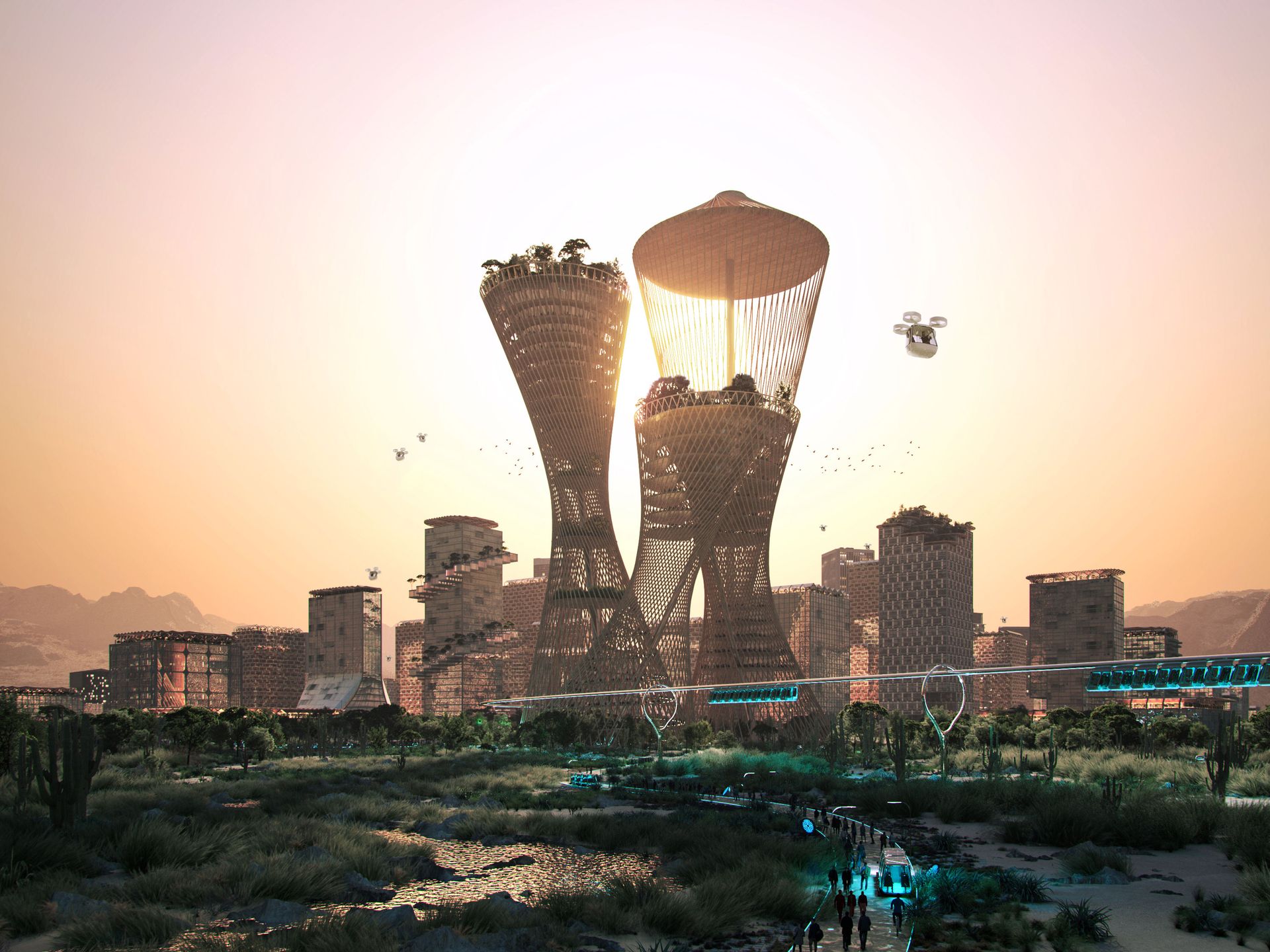
The Most Futuristic City in the World
In a rapidly changing world where technology is advancing at an unprecedented pace, the concept of a futuristic city is no longer confined to science fiction. One city stands out as a beacon of innovation and cutting-edge urban planning – Dubai, in the United Arab Emirates.
Dubai has transformed itself from a humble desert town into a global hub of technology, luxury, and sustainability. The city’s skyline is dominated by futuristic skyscrapers that push the boundaries of architecture and design. From the iconic Burj Khalifa, the tallest building in the world, to the breathtaking Palm Jumeirah artificial island, Dubai’s landscape is a testament to human ingenuity.
But it’s not just about impressive buildings – Dubai is also leading the way in smart city initiatives. The government has invested heavily in technology infrastructure, creating a seamless digital ecosystem that enhances every aspect of urban life. From smart transportation systems to blockchain-powered government services, Dubai is at the forefront of using technology to improve efficiency and quality of life for its residents.
One of the most ambitious projects in Dubai is the Dubai Future Foundation, an initiative dedicated to shaping the future through innovation and research. The foundation’s programs focus on emerging technologies such as artificial intelligence, robotics, and renewable energy, with the goal of creating a sustainable and prosperous future for all.
Moreover, Dubai’s commitment to sustainability sets it apart as a truly forward-thinking city. The Dubai Clean Energy Strategy aims to make Dubai one of the most sustainable cities in the world by 2050, with targets for clean energy production and reduced carbon emissions. Initiatives like Masdar City showcase Dubai’s dedication to green living and environmental responsibility.
As we look towards an increasingly interconnected and tech-driven future, cities like Dubai serve as beacons of what is possible when innovation meets ambition. With its bold vision for tomorrow and unwavering commitment to progress, Dubai truly stands out as one of the most futuristic cities in the world.
Exploring the World’s Most Futuristic City: Key Questions and Insights
- 1. What is considered the most futuristic city in the world?
- 2. How has technology influenced the development of futuristic cities?
- 3. What are some key features of a futuristic city like Dubai?
- 4. How does sustainability play a role in shaping the future of cities?
- 5. What initiatives are being undertaken to make cities more innovative and technologically advanced?
1. What is considered the most futuristic city in the world?
When considering the title of the most futuristic city in the world, Dubai often emerges as a top contender. Renowned for its cutting-edge architecture, smart city initiatives, and commitment to sustainability, Dubai has transformed into a global hub of innovation and technological advancement. With iconic skyscrapers, state-of-the-art infrastructure, and a strong focus on emerging technologies, Dubai exemplifies the blend of modernity and forward-thinking urban planning that defines a truly futuristic city.
2. How has technology influenced the development of futuristic cities?
Technology has played a pivotal role in shaping the development of futuristic cities around the world. From smart infrastructure and sustainable energy solutions to advanced transportation systems and digital governance, technology has revolutionised urban planning and design. By leveraging cutting-edge innovations such as artificial intelligence, Internet of Things (IoT), and data analytics, cities can enhance efficiency, improve sustainability, and create a seamless living experience for residents. The integration of technology not only transforms physical spaces but also fosters economic growth, social connectivity, and environmental stewardship in modern urban environments.
3. What are some key features of a futuristic city like Dubai?
In a futuristic city like Dubai, key features include iconic skyscrapers that redefine architectural boundaries, a robust smart city infrastructure that enhances urban living through technology, and a commitment to sustainability through initiatives like the Dubai Clean Energy Strategy. The city’s focus on innovation is evident in projects such as the Dubai Future Foundation, which drives research and development in emerging technologies like artificial intelligence and renewable energy. Dubai’s dedication to creating a sustainable and prosperous future sets it apart as a beacon of forward-thinking urban planning on a global scale.
4. How does sustainability play a role in shaping the future of cities?
Sustainability plays a crucial role in shaping the future of cities by ensuring that urban development is not only environmentally friendly but also economically viable and socially equitable. As cities continue to grow and face challenges such as climate change and resource scarcity, adopting sustainable practices becomes imperative for long-term resilience and well-being. Sustainable urban planning involves integrating green spaces, renewable energy sources, efficient public transportation systems, and waste management strategies to reduce carbon footprint and enhance quality of life for residents. By prioritising sustainability in city development, we can create healthier, more liveable environments that benefit both current and future generations.
5. What initiatives are being undertaken to make cities more innovative and technologically advanced?
Cities around the world are embracing a range of initiatives to propel them into the future as innovative and technologically advanced urban centres. From implementing smart transportation systems and integrating IoT devices to creating digital platforms for citizen engagement, cities are harnessing technology to improve efficiency, sustainability, and quality of life for their residents. Initiatives such as data-driven decision-making, renewable energy projects, and investment in research and development are all key components of making cities more innovative and technologically advanced. By embracing these initiatives, cities are not only preparing for the challenges of tomorrow but also creating vibrant and forward-thinking urban environments for generations to come.