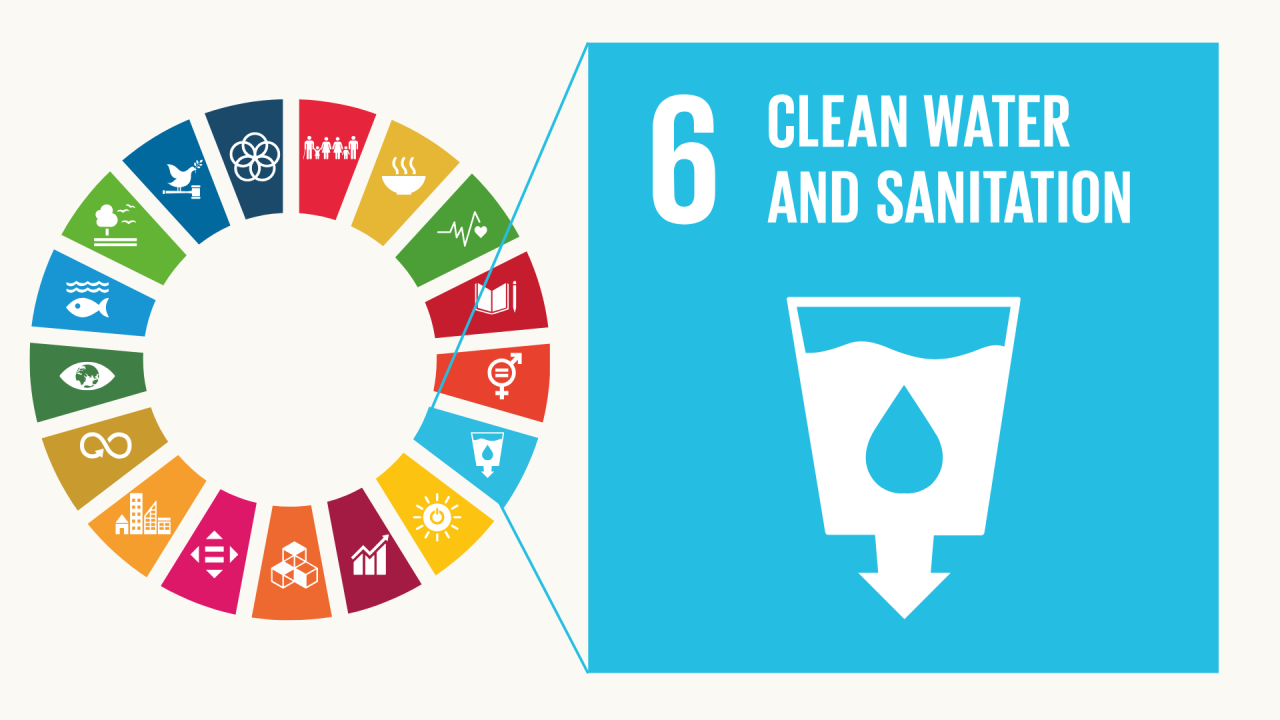
Goal 6: Clean Water and Sanitation – Sustainable Development Goals
Goal 6 of the Sustainable Development Goals (SDGs) focuses on ensuring availability and sustainable management of water and sanitation for all. Access to clean water and sanitation is essential for human health, environmental sustainability, and economic development.
Water is a basic necessity for life, yet millions of people around the world still lack access to safe drinking water. According to the United Nations, around 2.2 billion people do not have access to safely managed drinking water services, and about 4.2 billion people do not have safely managed sanitation services.
By working towards Goal 6, we can address issues such as water scarcity, water pollution, inadequate sanitation facilities, and lack of hygiene practices. Improving access to clean water and sanitation can have a profound impact on public health, education, gender equality, and economic productivity.
Investing in water and sanitation infrastructure is crucial for achieving sustainable development. It can help prevent diseases, reduce poverty, protect ecosystems, and promote social inclusion. By promoting sustainable water management practices and ensuring universal access to clean water and sanitation services, we can create a healthier and more equitable world for all.
Goal 6 also calls for international cooperation to support developing countries in their efforts to improve water and sanitation systems. By working together towards this common goal, we can make significant progress towards ensuring that everyone has access to clean water and sanitation by 2030.
Let’s join forces to achieve Goal 6 of the SDGs and create a world where clean water and sanitation are accessible to all!
Understanding Goal 6 of the Sustainable Development Goals: Key Questions and Insights
- What is Goal 6 of the Sustainable Development Goals (SDGs)?
- Why is Goal 6 important?
- How does Goal 6 contribute to sustainable development?
- What are the key targets of Goal 6 SDG?
- How can individuals contribute to achieving Goal 6?
- What challenges are hindering the progress towards achieving Goal 6?
What is Goal 6 of the Sustainable Development Goals (SDGs)?
Goal 6 of the Sustainable Development Goals (SDGs) focuses on ensuring access to clean water and sanitation for all. It aims to address the global challenges of water scarcity, water pollution, inadequate sanitation facilities, and lack of hygiene practices. By promoting sustainable water management practices and universal access to clean water and sanitation services, Goal 6 seeks to improve public health, education, gender equality, and economic productivity. Through international cooperation and concerted efforts, Goal 6 aims to create a world where everyone has access to safe drinking water and sanitation by 2030.
Why is Goal 6 important?
Goal 6, which focuses on clean water and sanitation, is crucial for several reasons. Access to clean water and sanitation is a fundamental human right that directly impacts public health, environmental sustainability, and economic development. By ensuring universal access to clean water and sanitation services, we can prevent waterborne diseases, improve hygiene practices, and promote overall well-being. Additionally, achieving Goal 6 contributes to poverty reduction, gender equality, and social inclusion. Sustainable management of water resources is essential for preserving ecosystems and addressing issues such as water scarcity and pollution. Overall, Goal 6 plays a vital role in creating a healthier, more equitable world for present and future generations.
How does Goal 6 contribute to sustainable development?
Goal 6, which focuses on clean water and sanitation, plays a crucial role in contributing to sustainable development by addressing fundamental aspects of human well-being and environmental conservation. By ensuring universal access to clean water and sanitation services, Goal 6 promotes public health, reduces waterborne diseases, and improves overall quality of life. Moreover, sustainable management of water resources and sanitation facilities helps protect ecosystems, mitigate water scarcity issues, and promote environmental sustainability. By achieving Goal 6 targets, we can create a more resilient and equitable society that thrives on the principles of sustainable development for present and future generations.
What are the key targets of Goal 6 SDG?
One of the frequently asked questions about Goal 6 of the Sustainable Development Goals (SDGs) is: “What are the key targets of Goal 6 SDG?” The key targets of Goal 6 focus on ensuring universal access to clean water and sanitation, improving water quality, increasing water-use efficiency, protecting and restoring water-related ecosystems, and supporting developing countries in their efforts to enhance water and sanitation management. These targets aim to address the global challenges related to water scarcity, pollution, inadequate sanitation facilities, and lack of hygiene practices, ultimately working towards a world where everyone has access to safe drinking water and sanitation services.
How can individuals contribute to achieving Goal 6?
Individuals can contribute to achieving Goal 6 of the Sustainable Development Goals (SDGs) in various ways. One impactful way is by conserving water at home through simple actions such as fixing leaks, using water-efficient appliances, and reducing water waste. Supporting initiatives that promote clean water and sanitation access, advocating for sustainable water management practices, and raising awareness about the importance of clean water and sanitation are also effective ways for individuals to make a difference towards achieving Goal 6. Additionally, participating in community clean-up efforts, supporting organisations working towards improving water and sanitation infrastructure, and engaging in responsible consumption habits can all play a part in advancing progress towards ensuring universal access to clean water and sanitation for all.
What challenges are hindering the progress towards achieving Goal 6?
Several challenges hinder the progress towards achieving Goal 6 of the Sustainable Development Goals. One significant challenge is the lack of adequate infrastructure for clean water and sanitation in many regions, particularly in developing countries. Water scarcity, pollution, and inadequate sanitation facilities also pose major obstacles. Additionally, factors such as climate change, population growth, and conflicts can further exacerbate these challenges. Lack of funding, political will, and coordination among stakeholders are also key barriers to making substantial progress towards ensuring universal access to clean water and sanitation for all by 2030. Addressing these complex challenges requires a concerted effort from governments, organisations, communities, and individuals to implement sustainable solutions and policies that prioritise water and sanitation as fundamental human rights.