The Future of Green Cities
In an era marked by rapid urbanisation and environmental challenges, the concept of green cities has emerged as a beacon of hope for a sustainable future. Green cities are urban areas that prioritise environmental conservation, resource efficiency, and the well-being of their residents.
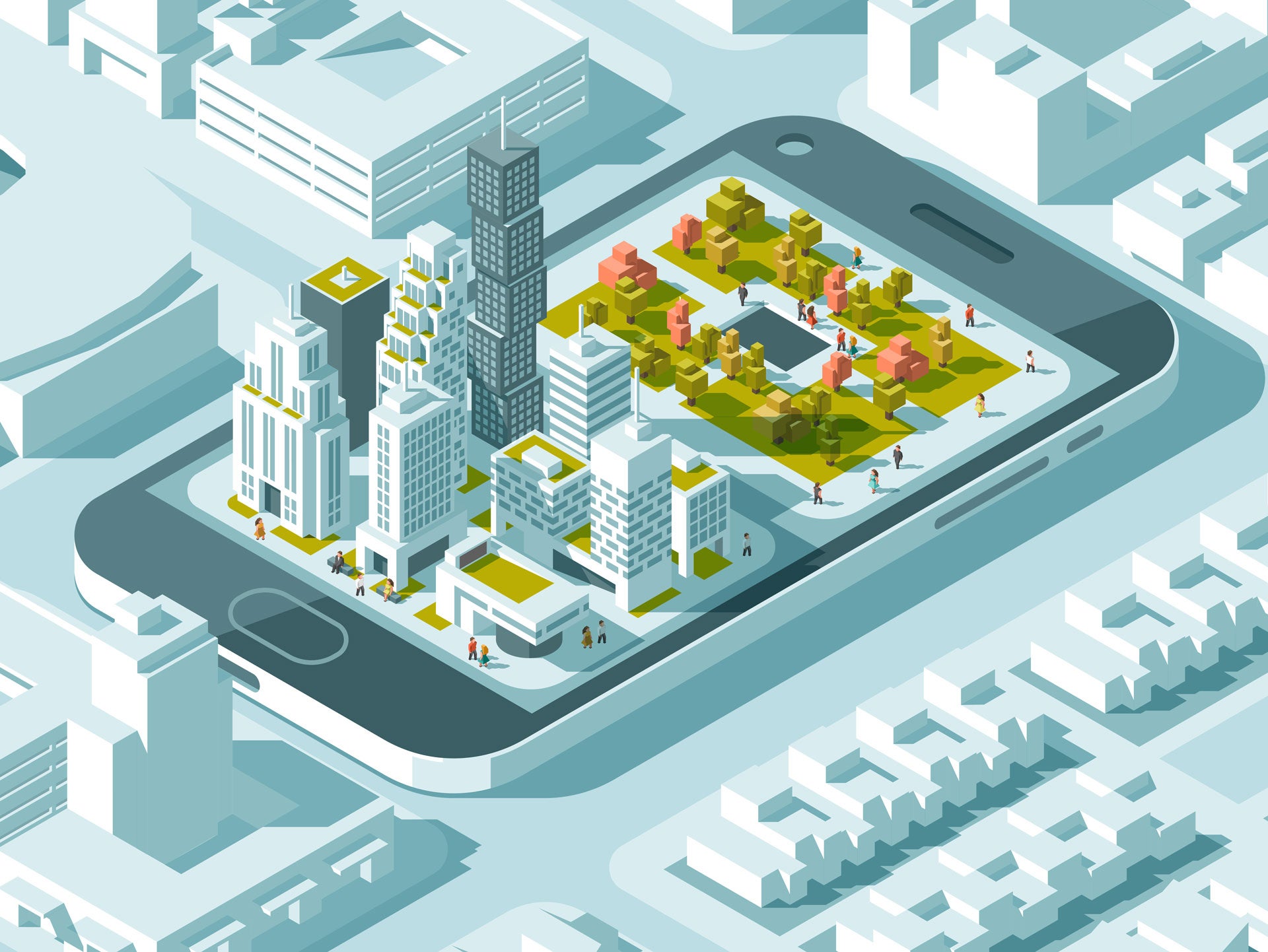
One of the key features of future green cities is the integration of nature into urban spaces. Parks, green roofs, vertical gardens, and urban forests are becoming common sights in these cities, providing residents with access to nature and improving air quality. By incorporating more greenery into city landscapes, these urban areas are not only more visually appealing but also healthier and more liveable.
Another important aspect of green cities is sustainable transportation. Future green cities are investing in public transport systems, cycling infrastructure, and pedestrian-friendly pathways to reduce reliance on cars and decrease carbon emissions. By promoting eco-friendly modes of transportation, these cities are not only reducing pollution but also improving the overall quality of life for their inhabitants.
Energy efficiency is also a top priority for future green cities. From solar panels on rooftops to smart grid systems that optimise energy usage, these cities are embracing renewable energy sources to reduce their carbon footprint. By harnessing clean energy technologies, green cities are paving the way towards a more sustainable future for generations to come.
Green building practices play a crucial role in shaping the future of urban development. Sustainable architecture, passive design strategies, and eco-friendly materials are increasingly being used in construction projects in green cities. These buildings not only consume less energy but also provide healthier indoor environments for occupants.
Ultimately, the vision of future green cities is one where humans coexist harmoniously with nature, where sustainability is at the core of urban planning decisions, and where innovation drives progress towards a greener future. As we continue to face global challenges such as climate change and resource depletion, the concept of green cities offers a promising path forward towards a more sustainable and resilient world.
Exploring the Future of Green Cities: Key Questions and Insights
- What are green cities and why are they important for the future?
- How can green spaces benefit urban areas in the context of future cities?
- What role does sustainable transportation play in shaping the future of green cities?
- What are some innovative energy efficiency solutions being implemented in future green cities?
- How do green building practices contribute to the development of sustainable urban areas?
- What impact do green cities have on air quality and public health?
- Are there any successful examples of existing green cities that we can look to as models for the future?
- What challenges do urban planners face when designing and implementing green initiatives in cities?
- How can individuals contribute to making their own cities greener and more sustainable?
What are green cities and why are they important for the future?
Green cities are urban areas that prioritise sustainability, environmental conservation, and the well-being of their residents. They are characterised by features such as green spaces, sustainable transportation systems, energy-efficient buildings, and a commitment to reducing carbon emissions. Green cities are important for the future because they offer a solution to the environmental challenges posed by rapid urbanisation and climate change. By promoting eco-friendly practices and embracing renewable energy sources, green cities contribute to mitigating the impact of human activities on the planet. Additionally, green cities improve the quality of life for their inhabitants by providing access to nature, clean air, and sustainable modes of transport. Overall, green cities play a crucial role in creating a more sustainable and liveable future for generations to come.
How can green spaces benefit urban areas in the context of future cities?
Green spaces play a crucial role in benefiting urban areas, especially in the context of future cities focused on sustainability and well-being. These green spaces provide a variety of environmental, social, and economic advantages. Environmentally, they help improve air quality, reduce urban heat island effects, and support biodiversity. Socially, green spaces offer opportunities for recreation, relaxation, and community gatherings, promoting physical and mental well-being among residents. Economically, they increase property values, attract tourists, and enhance the overall quality of life in urban areas. In the context of future cities striving to be greener and more liveable, investing in green spaces is essential for creating healthier and more vibrant urban environments.
What role does sustainable transportation play in shaping the future of green cities?
Sustainable transportation plays a pivotal role in shaping the future of green cities by reducing carbon emissions, alleviating traffic congestion, and promoting healthier lifestyles for residents. Implementing efficient public transport systems, cycling infrastructure, and pedestrian-friendly pathways not only decreases reliance on fossil fuel-powered vehicles but also enhances the overall quality of life in urban areas. By prioritising eco-friendly modes of transportation, green cities can improve air quality, reduce noise pollution, and create more accessible and inclusive environments for all inhabitants. Sustainable transportation initiatives are essential in creating vibrant, liveable cities that prioritise environmental conservation and the well-being of their communities.
What are some innovative energy efficiency solutions being implemented in future green cities?
In the realm of future green cities, innovative energy efficiency solutions are at the forefront of sustainable urban development. One notable approach being implemented is the widespread adoption of smart grid systems, which enable real-time monitoring and optimisation of energy usage across city infrastructure. Additionally, many green cities are investing in district heating and cooling networks that utilise waste heat from various sources to reduce energy consumption. Furthermore, the integration of building-integrated photovoltaics (BIPV) and solar panels into urban structures is becoming increasingly common, allowing for on-site renewable energy generation and reduced reliance on traditional power sources. These forward-thinking initiatives showcase how future green cities are embracing cutting-edge technologies to enhance energy efficiency and promote environmental sustainability.
How do green building practices contribute to the development of sustainable urban areas?
Green building practices play a pivotal role in shaping the development of sustainable urban areas by incorporating eco-friendly design principles and materials that minimise environmental impact. By focusing on energy efficiency, water conservation, and waste reduction, green buildings help reduce carbon emissions and resource consumption, thus contributing to a healthier urban environment. Additionally, green building practices promote the use of renewable energy sources and sustainable construction techniques, leading to lower operating costs and improved indoor air quality. Overall, integrating green building practices into urban development not only enhances the resilience of cities to climate change but also creates more liveable and environmentally conscious communities for future generations.
What impact do green cities have on air quality and public health?
Green cities have a significant impact on air quality and public health. By incorporating green spaces, such as parks and urban forests, into city landscapes, green cities help to improve air quality by absorbing pollutants and providing oxygen. This reduction in air pollution can lead to lower rates of respiratory illnesses and other health issues related to poor air quality. Additionally, green cities promote sustainable transportation options, such as cycling and public transit, which reduce emissions from vehicles and further contribute to cleaner air. Overall, the emphasis on environmental conservation and sustainability in green cities not only benefits the planet but also enhances the well-being of residents by creating healthier living environments.
Are there any successful examples of existing green cities that we can look to as models for the future?
When considering the future of green cities, many individuals often inquire about existing successful examples that can serve as models for future developments. Several cities around the world have made significant strides in embracing sustainable practices and prioritising environmental conservation. For instance, Copenhagen in Denmark is renowned for its commitment to cycling infrastructure and renewable energy sources, setting a benchmark for sustainable urban living. Singapore stands out for its innovative green architecture and extensive green spaces integrated throughout the city. Curitiba in Brazil is celebrated for its efficient public transport system and urban planning strategies that prioritise pedestrian-friendly environments. These cities serve as inspiring examples of how sustainable practices can be implemented effectively in urban settings, offering valuable insights and inspiration for the development of future green cities worldwide.
What challenges do urban planners face when designing and implementing green initiatives in cities?
Urban planners face a multitude of challenges when designing and implementing green initiatives in cities. One major obstacle is the need to balance environmental concerns with economic considerations and social equity. Limited funding, competing interests, and regulatory hurdles often make it difficult to prioritise sustainability in urban development projects. Additionally, retrofitting existing infrastructure to meet green standards can be costly and time-consuming. Engaging stakeholders, gaining public support, and ensuring long-term maintenance of green initiatives are also ongoing challenges that urban planners must navigate to create truly sustainable and liveable green cities for the future.
How can individuals contribute to making their own cities greener and more sustainable?
Individuals play a crucial role in shaping the future of green cities by making conscious choices and taking proactive steps towards sustainability. There are several ways in which individuals can contribute to making their own cities greener and more sustainable. Simple actions such as reducing energy consumption, recycling waste, using public transport or cycling instead of driving, supporting local produce, planting trees, and advocating for green spaces can all have a positive impact on the environment. By adopting eco-friendly habits and encouraging others to do the same, individuals can collectively make a significant difference in creating a more sustainable urban environment for present and future generations.