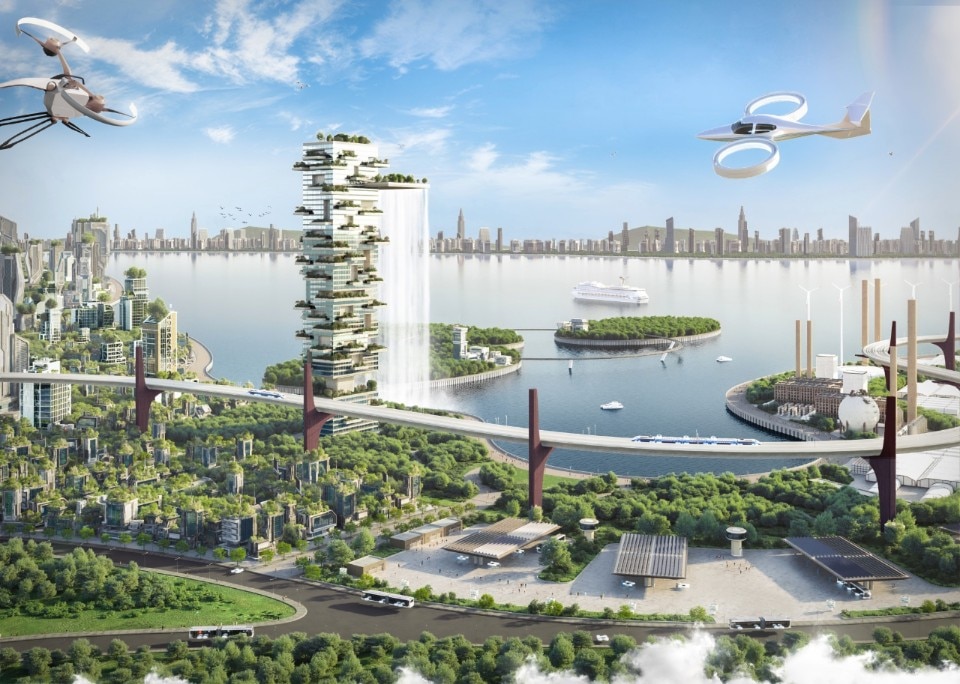
The Future City Project: Paving the Way for Sustainable Urban Living
As urban populations continue to swell, the need for sustainable and efficient city planning has never been more critical. Enter the Future City Project, an ambitious initiative aimed at redefining urban living through innovative design and smart technology. This project envisions cities that are not only environmentally friendly but also enhance the quality of life for their residents.
Smart Infrastructure
At the heart of the Future City Project is smart infrastructure. This involves integrating advanced technologies into the fabric of urban environments to improve efficiency and sustainability. From intelligent traffic management systems that reduce congestion and emissions to energy-efficient buildings equipped with smart sensors, these innovations promise a seamless blend of technology and daily life.
Green Spaces and Biodiversity
A key component of future cities is the incorporation of green spaces. Parks, vertical gardens, and green rooftops not only beautify urban areas but also play a crucial role in enhancing air quality and supporting biodiversity. The project aims to create interconnected networks of green spaces that provide habitats for wildlife while offering residents recreational areas that promote well-being.
Sustainable Mobility
The Future City Project places a strong emphasis on sustainable mobility solutions. Encouraging public transport use, developing extensive cycling networks, and implementing electric vehicle infrastructure are all part of creating a city where movement is efficient and environmentally friendly. By reducing reliance on fossil fuels, future cities aim to significantly lower their carbon footprint.
Community Engagement
No future city can thrive without active community involvement. The project seeks to engage citizens in decision-making processes through digital platforms that allow for real-time feedback on urban planning initiatives. By fostering a sense of ownership among residents, future cities aim to create inclusive environments where everyone’s voice is heard.
The Road Ahead
The journey toward building future cities is both challenging and exciting. It requires collaboration between governments, private sectors, academia, and communities to realise this vision fully. As we look ahead, it is clear that these projects will play a pivotal role in shaping sustainable urban environments that prioritise both human well-being and ecological health.
The Future City Project offers a glimpse into what our urban landscapes could become: vibrant ecosystems where technology enhances everyday life while maintaining harmony with nature.
Exploring the Future City Project: Concepts, Proposals, and Visions for 2050
- What are the future ideas for cities?
- What would cities look like in 2050?
- What is future city concept?
- What is the future city proposal?
- What is the concept of future cities?
- What is the future city project for kids?
- Who won Future City 2024?
- What is the theme of the Future city 2024?
What are the future ideas for cities?
The future ideas for cities encompass a wide range of innovative concepts aimed at creating more sustainable, liveable, and efficient urban environments. These ideas include the integration of smart technologies to enhance infrastructure and services, the development of green spaces to promote biodiversity and improve air quality, the implementation of sustainable mobility solutions to reduce carbon emissions, and the fostering of community engagement to ensure inclusivity and collaboration in urban planning. By embracing these forward-thinking ideas, future cities aspire to be resilient, vibrant hubs that prioritise the well-being of their residents while minimising their environmental impact.
What would cities look like in 2050?
The question of what cities would look like in 2050 is a thought-provoking inquiry that sparks discussions on the future of urban living. Envisioning cities in 2050 involves considering a landscape shaped by technological advancements, sustainable practices, and evolving societal needs. It is likely that cities will be characterised by smart infrastructure, green spaces integrated into urban environments, efficient public transportation systems, and a strong emphasis on community engagement. The vision for cities in 2050 is one of interconnectedness, sustainability, and innovation, where residents can thrive in harmonious coexistence with nature and technology.
What is future city concept?
The future city concept encapsulates a visionary approach to urban development that prioritises sustainability, innovation, and quality of life for residents. It involves the integration of advanced technologies, green infrastructure, and community engagement to create cities that are resilient, efficient, and inclusive. Future cities aim to address pressing challenges such as climate change, rapid urbanisation, and resource scarcity by reimagining traditional urban planning paradigms. By embracing concepts like smart infrastructure, sustainable mobility, and green spaces, future cities strive to foster environments where people can thrive harmoniously with their surroundings while minimising their environmental impact.
What is the future city proposal?
The future city proposal outlines a visionary plan for urban development that prioritises sustainability, innovation, and quality of life. It encompasses a range of initiatives such as smart infrastructure, green spaces, sustainable mobility solutions, and community engagement strategies. The proposal aims to transform cities into thriving hubs of connectivity, efficiency, and environmental consciousness. By integrating advanced technologies and eco-friendly practices, the future city proposal seeks to create urban environments that are not only resilient to challenges but also enriching for residents and visitors alike.
What is the concept of future cities?
The concept of future cities revolves around creating urban environments that are sustainable, efficient, and people-centric. Future cities integrate advanced technologies, green infrastructure, and innovative design to address the challenges of rapid urbanisation and climate change. These cities prioritise factors such as smart mobility, renewable energy sources, green spaces, and community engagement to enhance the quality of life for residents while minimising environmental impact. By embracing a holistic approach to urban planning, future cities aim to foster resilience, inclusivity, and long-term sustainability in the face of evolving societal needs and global trends.
What is the future city project for kids?
The Future City Project for kids is an engaging and educational initiative that introduces young minds to the concept of sustainable urban living through interactive activities and creative learning experiences. Designed to inspire curiosity and innovation, this project encourages children to explore the possibilities of future cities by incorporating elements such as green spaces, smart technology, and sustainable mobility. By fostering a deeper understanding of urban planning and environmental stewardship at a young age, the Future City Project for kids aims to empower the next generation to become active participants in shaping a more sustainable and inclusive world.
Who won Future City 2024?
The question of who won Future City 2024 is a common inquiry among those interested in urban development and sustainability. The Future City competition, known for showcasing innovative city planning ideas from talented student teams, does not have a single winner for a specific year like 2024. Instead, multiple teams compete in regional and national competitions to present their vision for future cities. These competitions serve as platforms for young minds to explore creative solutions to real-world urban challenges, fostering a spirit of innovation and collaboration that transcends traditional notions of winning and losing.
What is the theme of the Future city 2024?
The theme of the Future City 2024 project revolves around “Sustainable Urban Regeneration.” This forward-looking initiative focuses on revitalising existing urban areas through innovative design, green technologies, and community engagement. By reimagining cities as dynamic, eco-friendly spaces that promote well-being and inclusivity, the Future City 2024 aims to set a new benchmark for urban development. This theme underscores the importance of creating resilient and liveable cities that can adapt to future challenges while preserving their unique identity and heritage.