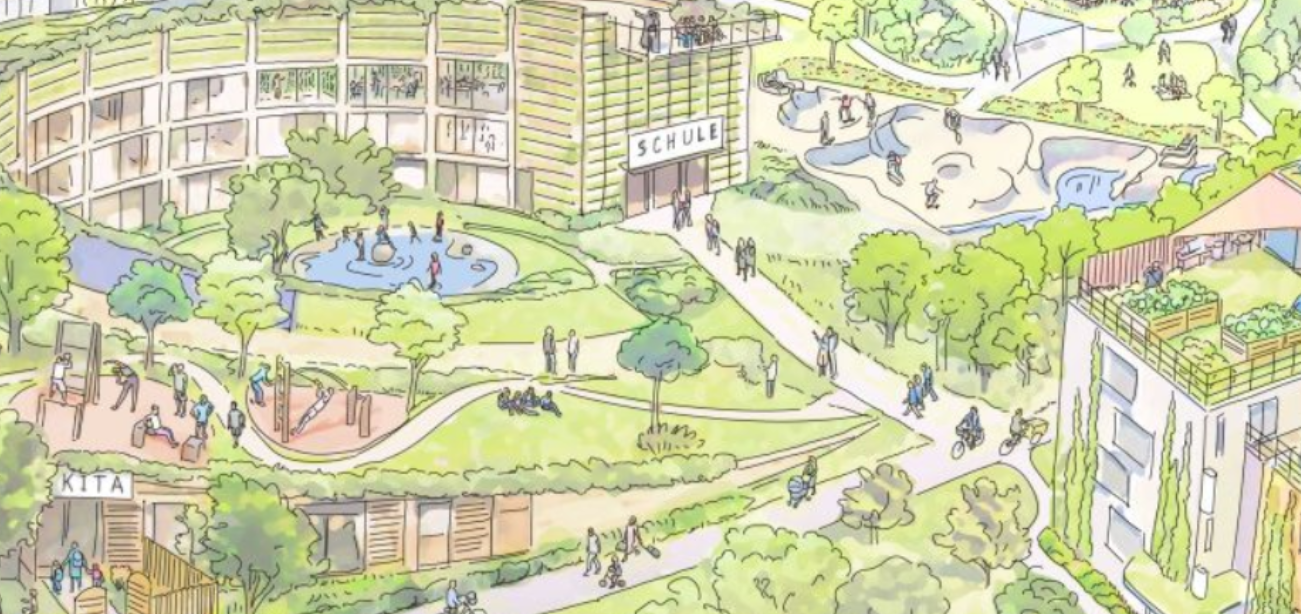
The Future of Green Cities
As urban populations continue to grow, the concept of green cities is becoming increasingly important. A green city is one that prioritises sustainability, environmental consciousness, and the well-being of its residents. The future of cities lies in their ability to integrate nature into urban landscapes, creating a harmonious balance between development and the natural world.
Benefits of Green Cities
Green cities offer a wide range of benefits to both residents and the environment. By incorporating green spaces such as parks, gardens, and rooftop vegetation, cities can improve air quality, reduce heat island effects, and provide habitats for wildlife. These green areas also promote physical and mental well-being among residents, offering spaces for relaxation and recreation.
Sustainable Infrastructure
In the future, green cities will be characterised by sustainable infrastructure that minimises environmental impact. This includes energy-efficient buildings, renewable energy sources, and efficient public transportation systems. By reducing carbon emissions and promoting eco-friendly practices, cities can mitigate climate change and create a healthier environment for all.
Urban Planning for Sustainability
Urban planning plays a crucial role in shaping the future of green cities. Planners must consider factors such as walkability, bikeability, access to public transportation, and mixed land use to create sustainable urban environments. By designing compact, connected communities with ample green spaces, cities can reduce reliance on cars and foster a sense of community among residents.
Community Engagement
Community engagement is key to the success of green cities. Residents should be actively involved in decision-making processes regarding urban development projects and sustainability initiatives. By fostering a sense of ownership and pride in their city, residents are more likely to support green initiatives and work towards a common goal of creating a sustainable future.
The Path Forward
The future of green cities depends on collective action from governments, businesses, communities, and individuals. By working together to implement sustainable practices and innovative solutions, we can create vibrant urban environments that benefit both people and the planet. The time to invest in green cities is now – let us build a future where nature thrives alongside urban life.
Exploring the Vision: Future Green Cities and Their Evolution by 2050
- What is the green city of the Future?
- What will the future city look like?
- What will cities look like in 2050?
- Why are cities aiming to become green?
What is the green city of the Future?
The green city of the future is a visionary concept that embodies sustainability, environmental consciousness, and human well-being at its core. It is a city where nature seamlessly integrates with urban infrastructure, creating a harmonious balance between development and the natural world. In the green city of the future, green spaces such as parks, gardens, and rooftop vegetation thrive alongside energy-efficient buildings, renewable energy sources, and efficient transportation systems. This urban environment prioritises reducing carbon emissions, improving air quality, and providing residents with access to nature for recreation and relaxation. Through sustainable urban planning and community engagement, the green city of the future aims to create a vibrant and resilient environment that benefits both present and future generations.
What will the future city look like?
In envisioning the future city, a prominent theme that emerges is the integration of green principles and sustainable practices. The future city is likely to be characterised by lush green spaces, eco-friendly infrastructure, and a harmonious balance between urban development and nature. With an emphasis on sustainability, future cities may feature energy-efficient buildings, extensive green roofs and walls, pedestrian-friendly streets, and efficient public transportation systems. By prioritising environmental consciousness and the well-being of residents, the future city is poised to be a vibrant, liveable environment that fosters a strong connection with nature while addressing the challenges of urbanisation.
What will cities look like in 2050?
In response to the frequently asked question about the future appearance of cities in 2050, it is anticipated that urban landscapes will undergo significant transformations towards sustainability and green initiatives. Cities are likely to feature more green spaces, such as vertical gardens, rooftop parks, and urban forests, integrated into their infrastructure. Sustainable transportation systems, renewable energy sources, and eco-friendly buildings are expected to become standard practices, contributing to reduced carbon emissions and improved air quality. Urban planning will focus on creating walkable neighbourhoods with mixed land use, promoting community engagement and a sense of well-being among residents. Overall, cities in 2050 are envisioned as vibrant, interconnected hubs that prioritise environmental consciousness and the well-being of their inhabitants.
Why are cities aiming to become green?
Cities are increasingly striving to become green due to a growing recognition of the urgent need for sustainability and environmental preservation. By adopting green initiatives, cities can address pressing issues such as climate change, air pollution, and loss of biodiversity. Becoming green not only improves the quality of life for residents by providing cleaner air, green spaces, and sustainable infrastructure but also helps cities reduce their carbon footprint and contribute to global efforts to combat climate change. Ultimately, the shift towards green cities is driven by a desire to create healthier, more resilient urban environments that can thrive for generations to come.