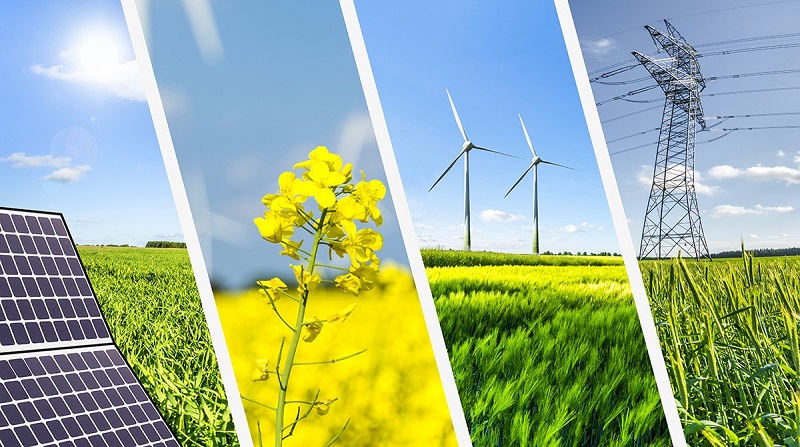
The Crucial Role of Energy in Sustainable Development
Energy is a fundamental driver of economic growth, social progress, and environmental sustainability. As the global population continues to rise and urbanisation accelerates, the demand for energy is increasing at an unprecedented rate. This presents both challenges and opportunities for achieving sustainable development goals.
Challenges:
The traditional sources of energy, such as fossil fuels, are finite and contribute significantly to greenhouse gas emissions and climate change. Dependence on these non-renewable resources not only poses environmental risks but also threatens energy security and economic stability.
Opportunities:
The shift towards renewable energy sources, such as solar, wind, hydroelectric, and geothermal power, presents a promising opportunity for sustainable development. These clean energy alternatives offer numerous benefits, including reduced carbon emissions, improved air quality, and enhanced energy efficiency.
Key Strategies for Energy Sustainability:
- Energy Efficiency: Promoting energy-efficient practices in industries, buildings, transportation, and appliances can significantly reduce energy consumption and lower greenhouse gas emissions.
- Renewable Energy Integration: Investing in renewable energy infrastructure and technologies can help diversify the energy mix and enhance resilience against supply disruptions.
- Energy Access: Ensuring universal access to affordable, reliable, and modern energy services is essential for addressing energy poverty and promoting social equity.
- Clean Technologies: Encouraging innovation in clean technologies, such as smart grids, electric vehicles, and energy storage systems, can drive sustainable development while creating new economic opportunities.
- Policies and Regulations: Implementing supportive policies and regulations that incentivise sustainable practices and discourage harmful activities is crucial for achieving long-term energy sustainability goals.
In conclusion, the transition towards a more sustainable energy future is imperative for achieving global development objectives. By embracing renewable energy solutions, promoting energy efficiency measures,
and fostering collaboration between governments,
businesses,
and communities,
we can pave the way towards a cleaner,
greener,
and more prosperous future for all.
Understanding the Role and Impact of Energy in Sustainable Development: Key Questions Answered
- What is the role of energy in sustainable development?
- How is energy related to sustainability?
- What is the relation between energy and sustainability?
- Is energy for sustainable development Q1 or Q2?
- What is the impact factor of energy and sustainable development?
- What are the 4 main types of sustainable energy?
What is the role of energy in sustainable development?
The role of energy in sustainable development is pivotal, serving as a cornerstone for economic progress, social equity, and environmental stewardship. Energy plays a crucial role in powering industries, transportation systems, and households, enabling economic activities and improving quality of life. However, the type of energy sources used significantly impacts sustainability outcomes. By transitioning towards renewable energy sources and promoting energy efficiency practices, we can mitigate climate change, reduce environmental degradation, and enhance the resilience of communities. Sustainable development hinges on a balanced approach to energy use that meets present needs without compromising the ability of future generations to meet their own.
How is energy related to sustainability?
Energy plays a pivotal role in sustainability as it is intertwined with every aspect of our lives, economy, and environment. The way we produce and consume energy directly impacts our ability to meet present needs without compromising the ability of future generations to meet their own. Sustainable energy practices focus on using resources efficiently, minimising environmental impact, and ensuring access to clean and affordable energy for all. By transitioning towards renewable sources and embracing energy efficiency measures, we can create a more sustainable future that balances economic growth with environmental stewardship.
What is the relation between energy and sustainability?
The relationship between energy and sustainability is intrinsic and vital to achieving long-term environmental, social, and economic goals. Energy serves as the lifeblood of modern society, powering industries, transportation, and households. However, the way we produce and consume energy directly impacts the sustainability of our planet. Sustainable development requires a shift towards renewable energy sources and energy-efficient practices to minimise environmental degradation, reduce carbon emissions, and ensure energy security for future generations. By integrating sustainable energy solutions into our daily lives and policies, we can foster a harmonious balance between meeting current energy needs and preserving resources for the well-being of both people and the planet.
Is energy for sustainable development Q1 or Q2?
The question of whether energy is for sustainable development is not a matter of being either Q1 or Q2, but rather a crucial intersection between the two. Energy plays a pivotal role in driving sustainable development by powering economic activities, improving living standards, and mitigating environmental impacts. Sustainable development aims to meet the needs of the present without compromising the ability of future generations to meet their own needs, and energy is an essential component in achieving this balance. By prioritising renewable energy sources, promoting energy efficiency, and ensuring universal access to clean and affordable energy services, we can advance towards a more sustainable future where energy serves as a catalyst for positive social,
economic,
and environmental change.
What is the impact factor of energy and sustainable development?
The impact factor of energy and sustainable development encompasses the multifaceted effects that energy choices have on the environment, society, and economy in the context of long-term sustainability. It reflects how decisions regarding energy production, consumption, and management influence the overall well-being of present and future generations. By considering factors such as carbon emissions, resource efficiency, social equity, and economic resilience, assessing the impact factor of energy and sustainable development becomes essential in guiding policies and practices towards a more sustainable and balanced energy future.
What are the 4 main types of sustainable energy?
There are four main types of sustainable energy that play a crucial role in promoting environmental sustainability and driving progress towards a greener future. These include solar energy, which harnesses the power of sunlight through photovoltaic panels and solar thermal systems; wind energy, generated by wind turbines that convert kinetic energy into electricity; hydropower, derived from the force of flowing water in rivers or dams to produce clean electricity; and geothermal energy, tapping into the heat stored beneath the Earth’s surface to generate power. Embracing these renewable energy sources is essential for reducing carbon emissions, mitigating climate change, and ensuring a more sustainable energy landscape for generations to come.