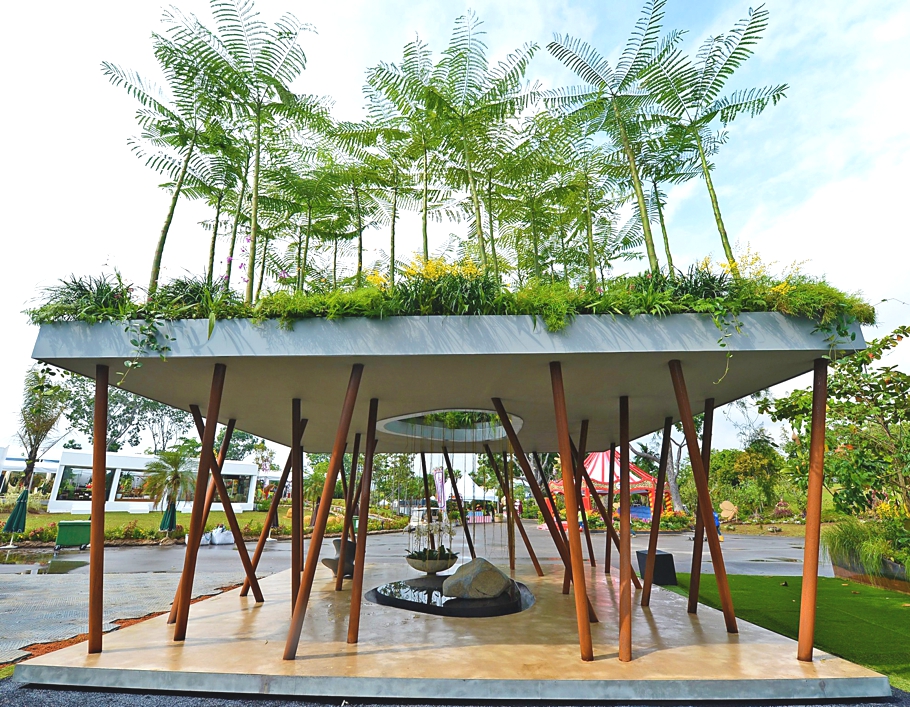
The Importance of Designing Green Spaces in Urban Areas
Green spaces are vital components of urban environments, providing numerous benefits to both the environment and the people who inhabit these areas. The design of green spaces plays a crucial role in maximising these benefits and creating sustainable, healthy communities.
Environmental Benefits
Green spaces help mitigate the urban heat island effect by providing shade and cooling effects. They also contribute to improved air quality by absorbing pollutants and releasing oxygen through photosynthesis. Properly designed green spaces can support biodiversity by providing habitats for various plant and animal species.
Social Benefits
Well-designed green spaces offer opportunities for recreation, relaxation, and social interaction. They promote physical activity and mental well-being among residents, contributing to a healthier community overall. Accessible green spaces can also enhance the sense of community and belonging among urban dwellers.
Design Principles
When designing green spaces in urban areas, several principles should be considered:
- Accessibility: Green spaces should be easily accessible to all residents, regardless of age or physical ability.
- Biodiversity: Incorporate a variety of plant species to support local ecosystems and provide habitats for wildlife.
- Sustainability: Use sustainable landscaping practices, such as rainwater harvesting and native plantings, to reduce environmental impact.
- Multifunctionality: Design green spaces that serve multiple purposes, such as flood mitigation, urban agriculture, or outdoor recreation.
- User Engagement: Involve local communities in the design process to ensure that green spaces meet their needs and preferences.
Conclusion
In conclusion, designing green spaces in urban areas is essential for creating liveable, sustainable cities. By incorporating environmental considerations, social benefits, and thoughtful design principles, we can create green spaces that enhance quality of life for all residents while promoting a healthier planet for future generations.
9 Essential Tips for Designing Sustainable and Inviting Green Spaces
- Incorporate a variety of plants to create biodiversity.
- Consider using native plants to support local wildlife.
- Include water features like ponds or fountains for a calming effect.
- Design paths and walkways for easy access and enjoyment of the space.
- Use sustainable materials such as recycled wood or natural stones.
- Provide seating areas for relaxation and social interaction.
- Install proper lighting to extend the usability of the green space into evenings.
- Create designated play areas for children to engage with nature.
- Maintain the green space regularly to ensure its beauty and functionality.
Incorporate a variety of plants to create biodiversity.
Incorporating a diverse range of plant species in the design of green spaces is crucial for promoting biodiversity and supporting local ecosystems. By including a variety of plants, we can create habitats that attract different wildlife species, enhance pollination, and contribute to a healthier environment overall. Biodiversity not only adds visual interest to green spaces but also plays a vital role in maintaining ecological balance and resilience in urban areas.
Consider using native plants to support local wildlife.
When designing green spaces, it is advisable to consider using native plants to support local wildlife. Native plants are well-adapted to the local environment and provide essential habitats and food sources for indigenous wildlife species. By incorporating native plants into green space design, we can help preserve biodiversity, create a more sustainable ecosystem, and contribute to the overall health of our urban environment.
Include water features like ponds or fountains for a calming effect.
Including water features such as ponds or fountains in the design of green spaces can have a profound impact on creating a tranquil and calming environment. The sight and sound of water flowing can help reduce stress, promote relaxation, and enhance the overall sensory experience of the space. Water features not only add aesthetic value but also attract wildlife, further contributing to the biodiversity of the area. By incorporating these elements, green spaces can offer a peaceful retreat for urban residents seeking respite from the hustle and bustle of city life.
Design paths and walkways for easy access and enjoyment of the space.
Designing paths and walkways in green spaces is a key element in ensuring easy access and enhancing the overall enjoyment of the environment. Well-planned pathways not only provide practical routes for pedestrians but also encourage exploration and interaction with the surrounding nature. By carefully considering the layout, materials, and aesthetics of these pathways, designers can create inviting spaces that invite people to wander, relax, and appreciate the beauty of green areas.
Use sustainable materials such as recycled wood or natural stones.
In designing green spaces, using sustainable materials like recycled wood or natural stones can significantly enhance the environmental impact of the project. By incorporating these materials, we not only reduce the demand for new resources but also promote a circular economy where materials are reused and repurposed. Recycled wood and natural stones add a unique aesthetic appeal to green spaces while aligning with principles of sustainability and responsible resource management. This choice reflects a commitment to creating environmentally friendly landscapes that contribute positively to urban ecosystems.
Provide seating areas for relaxation and social interaction.
In the design of green spaces, it is essential to include seating areas that cater to relaxation and social interaction. By providing comfortable seating options strategically placed throughout the green space, visitors can unwind, enjoy nature, and engage in conversations with others. These seating areas not only enhance the overall experience of the green space but also encourage community bonding and a sense of belonging among residents.
Install proper lighting to extend the usability of the green space into evenings.
Installing proper lighting in green spaces is a crucial tip to enhance their usability beyond daylight hours. By illuminating pathways, seating areas, and key features, green spaces can be enjoyed by the community well into the evening. Proper lighting not only improves safety and security but also creates a welcoming atmosphere for evening strolls, social gatherings, and recreational activities. Additionally, well-planned lighting design can highlight the beauty of the landscape and contribute to the overall aesthetics of the green space, making it a more inviting and enjoyable place for residents and visitors alike.
Create designated play areas for children to engage with nature.
Creating designated play areas for children to engage with nature is a key aspect of designing green spaces in urban environments. These spaces not only provide children with opportunities for physical activity and outdoor play but also foster a deeper connection with the natural world. By incorporating elements such as climbing structures, natural materials, and interactive features, these play areas can spark curiosity, creativity, and a sense of wonder in young minds. Encouraging children to interact with nature from an early age can instil a lifelong appreciation for the environment and promote sustainable attitudes towards green spaces within the community.
Maintain the green space regularly to ensure its beauty and functionality.
To ensure the beauty and functionality of green spaces, regular maintenance is essential. By consistently caring for these areas through tasks such as mowing, pruning, weeding, and watering, we can preserve their aesthetic appeal and usability. Regular maintenance not only enhances the visual attractiveness of green spaces but also supports their ecological functions and benefits for the community. It is through ongoing care and attention that we can sustain vibrant and thriving green spaces in our urban environments.