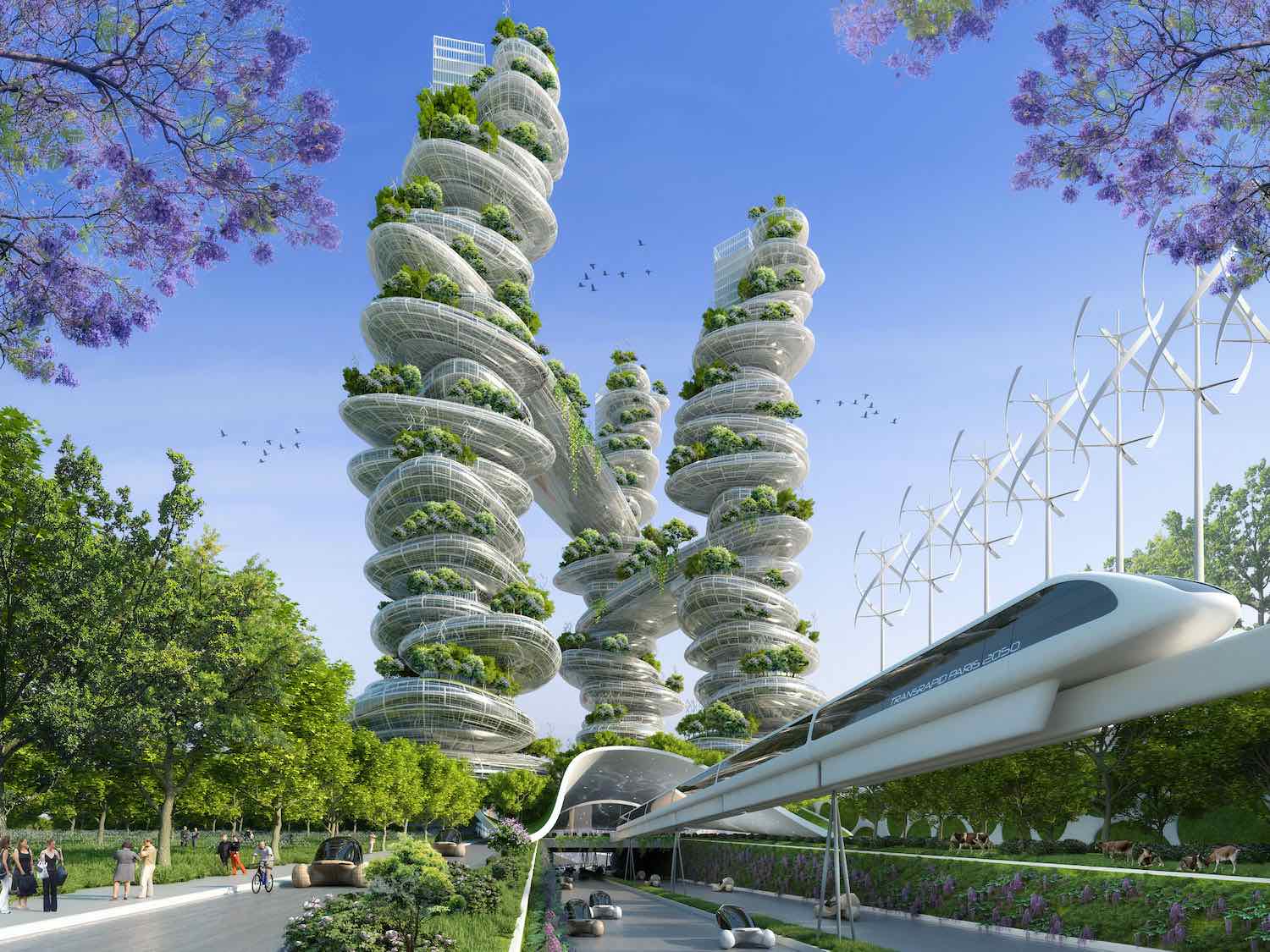
The Future of Cities in 2050
As we look ahead to the year 2050, it’s clear that cities around the world will undergo significant transformations to accommodate the growing population and address pressing challenges. The urban landscape is set to evolve in profound ways, driven by technological advancements, changing demographics, and a greater emphasis on sustainability.
Smart Cities
In 2050, cities will be smarter than ever before. Advanced technologies such as artificial intelligence, Internet of Things (IoT), and big data analytics will be integrated into urban infrastructure to improve efficiency, sustainability, and quality of life. From smart transportation systems to energy-efficient buildings, these innovations will revolutionise the way we live and interact with our surroundings.
Sustainable Development
With a growing awareness of environmental issues, cities in 2050 will prioritise sustainability in their planning and development. Green spaces will be expanded, renewable energy sources will be widely adopted, and eco-friendly practices will be the norm. Urban planners will focus on creating carbon-neutral communities that minimise waste and pollution while maximising resource efficiency.
Demographic Shifts
The demographic composition of cities is expected to change significantly by 2050. Aging populations and increased urbanisation will shape the social fabric of urban areas, leading to new challenges in healthcare, housing, and social services. City planners will need to adapt to these shifts by designing inclusive environments that cater to diverse age groups and cultural backgrounds.
Resilient Infrastructure
In light of climate change and natural disasters, cities in 2050 will invest heavily in building resilient infrastructure that can withstand environmental shocks. Flood-resistant buildings, green roofs for water management, and disaster early-warning systems will become standard features of urban design. By prioritising resilience, cities can better protect their residents and assets from future uncertainties.
Conclusion
The future of cities in 2050 holds both challenges and opportunities. By embracing innovation, sustainability, inclusivity, and resilience, urban centres can thrive amidst rapid change and uncertainty. As we work towards building smarter, greener, and more liveable cities for future generations, collaboration among policymakers, businesses, communities is essential to ensure a prosperous urban future.
Nine Reasons Why Cities Will Thrive in 2050: A Vision of Smart, Sustainable, and Vibrant Urban Living
- Advanced smart technologies will enhance urban efficiency and convenience.
- Increased focus on sustainability will lead to cleaner and greener cities.
- Improved public transportation systems will reduce congestion and emissions.
- Innovative urban design will create more liveable and aesthetically pleasing environments.
- Enhanced healthcare facilities and services will cater to the diverse needs of residents.
- Greater connectivity through digital infrastructure will promote economic growth and social interaction.
- Resilient infrastructure will better protect cities from natural disasters and climate change impacts.
- Diverse cultural experiences and amenities will enrich the social fabric of urban communities.
- Opportunities for education, employment, and entrepreneurship will abound in dynamic urban hubs.
Challenges Facing Cities in 2050: Overpopulation, Congestion, Environmental Strain, Inequality, and Security Risks
- Overpopulation leading to increased strain on resources and infrastructure.
- Rapid urbanisation causing congestion and overcrowding in city centres.
- Environmental degradation due to high levels of pollution and limited green spaces.
- Social inequalities exacerbated by uneven access to amenities and services.
- Security concerns arising from the integration of advanced technologies in urban systems.
Advanced smart technologies will enhance urban efficiency and convenience.
In 2050, the integration of advanced smart technologies into urban infrastructure will revolutionise the way cities operate, enhancing efficiency and convenience for residents. From AI-powered transportation systems that optimise traffic flow to IoT-enabled waste management solutions that reduce environmental impact, these innovations will streamline daily life in urban areas. With real-time data analytics and interconnected devices, residents can enjoy a more seamless and responsive urban experience, making cities more efficient and convenient places to live.
Increased focus on sustainability will lead to cleaner and greener cities.
In 2050, the increased focus on sustainability in cities will pave the way for cleaner and greener urban environments. With a concerted effort towards adopting eco-friendly practices, such as renewable energy sources, waste reduction initiatives, and green infrastructure development, cities will significantly reduce their carbon footprint and improve air quality. This shift towards sustainability not only benefits the environment but also enhances the overall well-being of city residents by creating healthier and more liveable spaces for generations to come.
Improved public transportation systems will reduce congestion and emissions.
By 2050, the enhanced public transportation systems in cities will play a crucial role in alleviating congestion and reducing emissions. With the integration of advanced technologies and sustainable practices, such as electric buses and efficient rail networks, urban dwellers will have access to reliable, eco-friendly modes of transportation. This shift towards greener public transit options not only promises smoother traffic flow but also contributes significantly to a cleaner and healthier urban environment for all residents.
Innovative urban design will create more liveable and aesthetically pleasing environments.
In 2050, cities will benefit from innovative urban design practices that prioritise creating more liveable and aesthetically pleasing environments. By incorporating cutting-edge architectural concepts, sustainable materials, and green spaces into city planning, urban areas will become not only functional but also visually appealing. This focus on aesthetics will enhance the overall quality of life for residents, fostering a sense of pride and connection to their surroundings while promoting well-being and happiness in a harmonious urban setting.
Enhanced healthcare facilities and services will cater to the diverse needs of residents.
By 2050, cities are poised to offer enhanced healthcare facilities and services that will cater to the diverse needs of residents. With advancements in medical technology and a greater focus on preventive care, urban centres will provide accessible and personalised healthcare solutions to individuals from all walks of life. From state-of-the-art hospitals to community health centres, the healthcare infrastructure in cities will be designed to promote well-being, address health inequalities, and ensure that residents receive the care they need when they need it. This proactive approach to healthcare will not only improve quality of life but also contribute to a healthier and more resilient urban population.
Greater connectivity through digital infrastructure will promote economic growth and social interaction.
In 2050, the increased connectivity facilitated by robust digital infrastructure in cities will play a pivotal role in driving economic growth and fostering social interaction. With seamless access to high-speed internet, smart technologies, and data-driven services, businesses will thrive in an interconnected ecosystem that transcends physical boundaries. This digital landscape will not only enhance productivity and innovation but also create new opportunities for collaboration and community engagement, ultimately contributing to a more dynamic and inclusive urban environment.
Resilient infrastructure will better protect cities from natural disasters and climate change impacts.
In 2050, cities will benefit from resilient infrastructure that serves as a crucial safeguard against the increasing threats posed by natural disasters and the impacts of climate change. By investing in resilient urban design, such as flood-resistant buildings, green infrastructure for water management, and early-warning systems for disasters, cities can significantly enhance their ability to withstand environmental shocks. This proactive approach not only protects residents and vital infrastructure but also ensures the long-term sustainability and resilience of urban areas in the face of evolving climate challenges.
Diverse cultural experiences and amenities will enrich the social fabric of urban communities.
In 2050, one of the significant advantages of cities will be the diverse cultural experiences and amenities that will enrich the social fabric of urban communities. With a melting pot of traditions, languages, cuisines, and art forms, cities will offer residents and visitors a vibrant tapestry of cultural activities and attractions. From international festivals and culinary events to art galleries and performance venues, urban centres will be hubs of creativity and cross-cultural exchange, fostering a sense of unity amidst diversity. This cultural richness not only enhances the quality of life for residents but also attracts individuals from all walks of life, contributing to the dynamic and inclusive nature of future cities.
Opportunities for education, employment, and entrepreneurship will abound in dynamic urban hubs.
In the cities of 2050, a notable advantage will be the plethora of opportunities available for education, employment, and entrepreneurship within vibrant urban centres. With a dynamic and evolving landscape driven by technological advancements and innovation, individuals will have access to a diverse range of educational institutions, job prospects across various industries, and a fertile ground for entrepreneurial ventures. This environment will foster creativity, collaboration, and growth, empowering residents to pursue their aspirations and contribute to the thriving urban hubs of tomorrow.
Overpopulation leading to increased strain on resources and infrastructure.
By 2050, one of the significant challenges facing cities is the issue of overpopulation, which will place a considerable strain on resources and infrastructure. The exponential growth in urban population will lead to increased demands for housing, transportation, energy, water, and other essential services. This surge in demand may outpace the capacity of existing infrastructure, potentially resulting in overcrowding, traffic congestion, resource depletion, and environmental degradation. City planners and policymakers will need to implement innovative solutions to manage the impact of overpopulation effectively and ensure sustainable development for future generations.
Rapid urbanisation causing congestion and overcrowding in city centres.
By 2050, the rapid urbanisation of cities is anticipated to exacerbate issues of congestion and overcrowding in city centres. As more people flock to urban areas in search of opportunities, the strain on infrastructure and resources will intensify, leading to increased traffic congestion, overcrowded public spaces, and a higher demand for housing. This con of urbanisation poses significant challenges for city planners and policymakers in ensuring that city centres remain liveable and sustainable amidst the growing population influx. Efforts to address these issues will be crucial in shaping the future urban landscape for a more balanced and harmonious coexistence.
Environmental degradation due to high levels of pollution and limited green spaces.
By 2050, one of the major challenges facing cities is the alarming rate of environmental degradation caused by widespread pollution and the scarcity of green spaces. The detrimental effects of high pollution levels not only pose risks to public health but also contribute to climate change and ecosystem destruction. Limited green spaces further exacerbate these issues, as they play a crucial role in mitigating pollution, regulating temperature, and providing essential habitats for biodiversity. Without urgent action to address these concerns, cities risk compromising the well-being of their residents and the sustainability of their urban environments in the future.
Social inequalities exacerbated by uneven access to amenities and services.
In 2050, one concerning con of cities is the exacerbation of social inequalities due to uneven access to amenities and services. As urban areas continue to evolve and grow, disparities in access to essential resources such as healthcare, education, affordable housing, and public transportation may widen, creating a divide between different socio-economic groups. This unequal distribution of services can lead to increased marginalisation of vulnerable populations, hindering social mobility and perpetuating systemic injustices within urban communities. Addressing these disparities will be crucial in creating more equitable and inclusive cities for all residents in the future.
Security concerns arising from the integration of advanced technologies in urban systems.
The integration of advanced technologies in urban systems in 2050 brings about a significant con in the form of heightened security concerns. As cities become smarter with the adoption of artificial intelligence, Internet of Things, and big data analytics, they also become more vulnerable to cyber threats and privacy breaches. The interconnected nature of smart systems opens up potential risks such as hacking, data manipulation, and surveillance abuse, posing challenges for safeguarding sensitive information and ensuring the safety and privacy of residents. Addressing these security concerns will be paramount to building trust in technology-driven urban environments and mitigating potential risks associated with technological advancements.