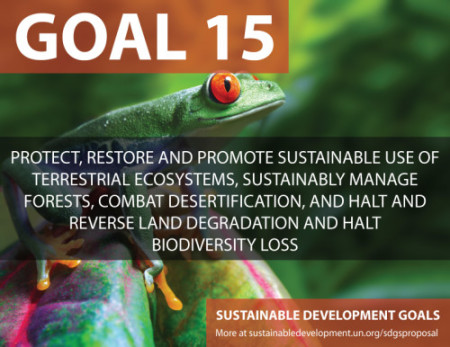
The Importance of SDG Goal 15: Life on Land
SDG Goal 15, part of the United Nations’ Sustainable Development Goals, focuses on Life on Land. This goal aims to protect, restore and promote sustainable use of terrestrial ecosystems, sustainably manage forests, combat desertification, halt and reverse land degradation, and halt biodiversity loss.
Why is SDG Goal 15 Important?
Life on Land is essential for the well-being of our planet and all its inhabitants. Terrestrial ecosystems provide a wide range of ecosystem services that are crucial for human survival. Forests, for example, help regulate the climate, purify air and water, and provide habitats for countless species.
By achieving Goal 15, we can ensure the preservation of biodiversity, protect endangered species, and safeguard ecosystems that are under threat. This goal also addresses issues such as deforestation, land degradation, and desertification which have severe consequences for both the environment and human communities.
Challenges in Achieving SDG Goal 15
Despite its importance, SDG Goal 15 faces numerous challenges. Illegal logging, unsustainable land use practices, climate change, and urbanization are putting immense pressure on terrestrial ecosystems worldwide. These factors contribute to deforestation, loss of biodiversity, soil erosion and other forms of land degradation.
To overcome these challenges and achieve Goal 15 by 2030 as outlined in the UN’s agenda requires collective action at local, national and global levels. Governments must implement policies that promote sustainable land management practices while individuals can contribute by adopting more environmentally friendly lifestyles.
The Role of Individuals in Supporting SDG Goal 15
As individuals, we can play a significant role in supporting SDG Goal 15. By making conscious choices such as reducing our consumption of products linked to deforestation (such as palm oil), supporting reforestation efforts or participating in local conservation initiatives we can contribute to the protection of life on land.
In Conclusion
SDG Goal 15 – Life on Land is a critical component of sustainable development. By working together to protect terrestrial ecosystems and biodiversity we can ensure a healthier planet for current and future generations. Let us all strive towards achieving this goal for the benefit of all life on Earth.
Understanding SDG Goal 15: Key Questions on Life on Land and Biodiversity Conservation
- What is SDG Goal 15
- Why is SDG Goal 15 important?
- What are the key targets of SDG Goal 15?
- How does deforestation impact SDG Goal 15?
- What are some examples of sustainable land management practices?
- How can individuals contribute to achieving SDG Goal 15?
- What are the main challenges in conserving life on land?
- How can governments promote biodiversity conservation under SDG Goal 15?
What is SDG Goal 15
SDG Goal 15, part of the United Nations’ Sustainable Development Goals, focuses on Life on Land. It aims to protect, restore and promote sustainable use of terrestrial ecosystems, sustainably manage forests, combat desertification, halt and reverse land degradation, and halt biodiversity loss. This goal is crucial in ensuring the preservation of biodiversity, protecting endangered species, and safeguarding ecosystems that are under threat due to various human activities. Achieving SDG Goal 15 by 2030 requires concerted efforts at all levels to address challenges such as deforestation, unsustainable land use practices, and climate change impact on terrestrial ecosystems.
Why is SDG Goal 15 important?
SDG Goal 15, focusing on Life on Land, is of paramount importance due to its critical role in preserving terrestrial ecosystems and biodiversity. The goal aims to protect, restore and sustainably manage forests, combat desertification, and halt biodiversity loss. Terrestrial ecosystems provide essential ecosystem services such as climate regulation, water purification, and habitat provision for a wide array of species. By achieving Goal 15, we can safeguard these ecosystems from threats like deforestation, land degradation, and desertification, ensuring a sustainable environment for present and future generations.
What are the key targets of SDG Goal 15?
One of the frequently asked questions regarding SDG Goal 15 is about its key targets. The main targets of SDG Goal 15 – Life on Land are to protect, restore and promote sustainable use of terrestrial ecosystems, combat desertification, halt and reverse land degradation, ensure conservation of biodiversity, and promote the sustainable management of forests. These targets are crucial for preserving the health and vitality of our planet’s land-based ecosystems, safeguarding biodiversity, and addressing pressing environmental challenges such as deforestation and soil degradation. Achieving these targets is essential for promoting a more sustainable relationship between humans and the natural world.
How does deforestation impact SDG Goal 15?
Deforestation has a significant impact on SDG Goal 15 – Life on Land. The clearing of forests for agricultural expansion, logging, and infrastructure development leads to the loss of vital habitats for wildlife and plants, contributing to biodiversity loss. Deforestation also disrupts ecosystems, reduces carbon sequestration capacity, and increases greenhouse gas emissions, exacerbating climate change. Additionally, deforestation can lead to soil erosion, water pollution, and other forms of land degradation, undermining the sustainable management of terrestrial ecosystems as outlined in SDG Goal 15. Addressing deforestation is crucial to achieving this goal and ensuring the long-term health and resilience of our planet’s land-based ecosystems.
What are some examples of sustainable land management practices?
Sustainable land management practices encompass a range of strategies aimed at preserving and enhancing the health of terrestrial ecosystems. Examples of such practices include agroforestry, which combines trees and crops to improve soil fertility and biodiversity while providing additional income for farmers. Another example is conservation tillage, a method that minimises soil disturbance to prevent erosion and maintain soil health. Additionally, reforestation and afforestation initiatives help restore degraded land by planting trees, contributing to carbon sequestration and biodiversity conservation. These practices not only support SDG Goal 15 – Life on Land but also promote long-term environmental sustainability and resilience.
How can individuals contribute to achieving SDG Goal 15?
Individuals can make a significant impact in achieving SDG Goal 15, which focuses on Life on Land. By adopting environmentally friendly practices in their daily lives, such as reducing consumption of products linked to deforestation, supporting reforestation initiatives, and participating in local conservation efforts, individuals can contribute to the preservation of terrestrial ecosystems and biodiversity. Every small action counts towards the larger goal of ensuring a sustainable future for our planet and all its inhabitants.
What are the main challenges in conserving life on land?
Conserving life on land, as outlined in SDG Goal 15, faces several significant challenges. One of the main obstacles is the ongoing threat of deforestation, driven by factors such as agricultural expansion, logging, and infrastructure development. This leads to habitat loss for countless species and contributes to biodiversity decline. Additionally, unsustainable land-use practices, including overgrazing and soil degradation, further exacerbate the degradation of terrestrial ecosystems. Climate change also poses a significant challenge, altering ecosystems and putting additional stress on already vulnerable species. Addressing these challenges requires coordinated efforts to promote sustainable land management practices, combat deforestation, and mitigate the impacts of climate change on land-based ecosystems.
How can governments promote biodiversity conservation under SDG Goal 15?
Governments can promote biodiversity conservation under SDG Goal 15 by implementing policies and initiatives that prioritise the protection of ecosystems and species diversity. This includes establishing protected areas, enforcing regulations to prevent habitat destruction and overexploitation of natural resources, promoting sustainable land management practices, supporting research on biodiversity conservation, and engaging with local communities and stakeholders to ensure their participation in conservation efforts. By investing in conservation programmes, raising awareness about the importance of biodiversity, and collaborating with other countries to address transboundary conservation issues, governments can play a crucial role in achieving the objectives of SDG Goal 15 and safeguarding life on land for future generations.