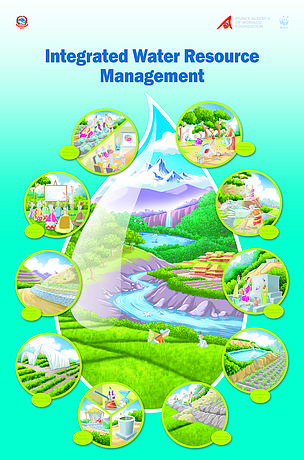
Sustainable Management of Water Resources
Water is essential to human health, food production, industry and the natural world. Yet freshwater is limited, unevenly distributed and increasingly under pressure. Population growth, pollution, changing patterns of rainfall and the effects of climate change are making water shortages and floods more difficult to predict and manage. Sustainable water management is about meeting today’s needs while protecting water supplies and ecosystems for the future.
What does sustainable water management mean?
Sustainable management considers the whole water cycle, from rainfall and rivers to groundwater, reservoirs, wetlands and the sea. It balances the needs of households, businesses, agriculture and the environment, recognising that these needs are connected. A decision to extract water, for example, can affect river flows, wildlife, downstream communities and the availability of water during a drought.
This approach also looks beyond short-term supply. Rather than relying only on building more reservoirs or extracting more groundwater, it combines measures to use water efficiently, prevent pollution, restore natural systems and plan for changing conditions.
Use water more efficiently
Reducing unnecessary water use is often one of the quickest and most cost-effective ways to ease pressure on supplies. Homes can save water by fixing leaks, choosing efficient appliances and fittings, and using water thoughtfully in gardens. Businesses and public organisations can audit their use, repair leaks across their sites and reuse water where it is safe and practical.
Agriculture is a major user of freshwater in many parts of the world. More efficient irrigation, soil-moisture monitoring, improved scheduling and crops suited to local conditions can help reduce waste while supporting food production. Efficiency measures should be designed carefully, however: making irrigation more efficient does not always reduce overall water use if it encourages an expansion of irrigated land.
Protect water at its source
Preventing pollution is generally better than treating contaminated water later. Fertilisers, pesticides, sewage, industrial chemicals and plastic waste can all damage rivers, lakes and groundwater. Strong environmental standards, responsible land management and effective wastewater treatment help keep water sources healthier and safer.
Natural landscapes also play an important role. Wetlands can store water, reduce flooding and support wildlife. Forests and healthy soils can help regulate runoff and limit erosion. Protecting and restoring these places can complement built infrastructure, while providing wider benefits for communities and biodiversity.
Plan for droughts and floods
Climate change is altering rainfall patterns and increasing the likelihood of extreme weather in many regions. Sustainable planning must therefore account for both too little water and too much. Drought plans can include monitoring supplies, reducing demand and setting clear priorities for water use. Flood planning can combine reliable drainage and flood defences with measures such as restoring floodplains and creating space for water to be stored safely.
Diversifying water supplies can also improve resilience. Depending on local circumstances, options may include collecting rainwater, reusing treated wastewater and responsibly managing groundwater. No single solution works everywhere; choices should reflect local ecosystems, costs, energy use and community needs.
Make water reuse safe and practical
Water that has been used does not always need to be discarded. Treated wastewater can be suitable for some industrial processes, irrigation or other non-drinking purposes, subject to appropriate treatment and safeguards. Rainwater harvesting can also support uses such as watering gardens or cleaning.
Clear standards and transparent communication are essential when introducing reuse schemes. People need to understand how water is treated, what it can be used for and how public health is protected. Reuse should form part of a wider strategy, rather than being treated as a substitute for preventing waste and pollution.
Work together and share decisions
Water often crosses local and national boundaries, so effective management depends on cooperation. Public authorities, water providers, farmers, businesses, researchers and local communities all have a role to play. Sharing reliable information helps people understand the condition of water resources and the trade-offs involved in managing them.
Good governance should be inclusive and fair. Access to safe, affordable water is fundamental, and decisions should consider communities that may be most affected by shortages, pollution or new infrastructure. Long-term plans also need regular review as conditions and evidence change.
Conclusion
Sustainable water management is not a single project or technology. It is an ongoing effort to reduce waste, protect water sources, restore natural systems and prepare for a less predictable climate. By combining efficient use with responsible planning and collaboration, communities can strengthen water security while safeguarding the ecosystems on which people depend.
9 Tips for Sustainable Water Resource Management
- Fix leaks promptly to prevent water waste.
- Use rainwater for gardens and cleaning.
- Choose drought-tolerant plants and water them efficiently.
- Install water-efficient taps, toilets and appliances.
- Protect wetlands, rivers and natural water sources.
- Reuse treated wastewater where it is safe.
- Monitor water use and set reduction targets.
- Keep chemicals and waste out of drains and waterways.
- Work with local communities to plan water use fairly.
Fix leaks promptly to prevent water waste.
Fixing leaks promptly is a simple but effective way to reduce water waste. A dripping tap, leaking pipe or faulty toilet can lose a surprising amount of water over time, even when the leak seems minor. Check taps, toilets and visible pipework regularly, and arrange repairs as soon as a problem appears. This saves water, can lower bills and helps protect local water supplies.
Use rainwater for gardens and cleaning.
Collecting rainwater is a simple way to reduce demand on treated water supplies. A water butt connected to a roof downpipe can store rain for watering gardens, while larger collection systems may provide water for outdoor cleaning. Use a secure, covered container to keep out debris and pests, and check local guidance on installation and use. By saving rainwater when it falls, households can make practical use of a natural resource, particularly during dry periods.
Choose drought-tolerant plants and water them efficiently.
Choose drought-tolerant plants that suit your local climate and soil, as they need less watering once established. Water plants early in the morning or in the evening to reduce evaporation, and direct water towards the roots rather than wetting the leaves. Applying mulch around plants helps the soil retain moisture, while collecting rainwater can provide a useful alternative to tap water.
Install water-efficient taps, toilets and appliances.
Installing water-efficient taps, toilets and appliances is a simple way to reduce water use at home or in the workplace. Aerated taps and low-flow showerheads can maintain a comfortable flow while using less water, while dual-flush toilets and efficient washing machines help cut consumption with every use. When choosing new products, check their water-efficiency ratings and fix any leaks promptly. Using less water can also reduce the energy needed to heat and treat it, helping to lower bills and environmental impact.
Protect wetlands, rivers and natural water sources.
Protecting wetlands, rivers and other natural water sources is essential for a healthy and reliable water supply. These ecosystems filter pollutants, store and slowly release water, reduce flood impacts and provide habitats for wildlife. Preventing contamination, limiting damaging development and restoring degraded areas can strengthen these natural benefits. Caring for water sources also helps communities become more resilient to droughts and changing rainfall patterns.
Reuse treated wastewater where it is safe.
Reuse treated wastewater where it is safe and suitable for the intended purpose. With appropriate treatment and monitoring, reclaimed water can be used for tasks such as irrigating parks and crops, cleaning streets or supporting some industrial processes, reducing demand for freshwater supplies. Clear safety standards and public information are essential to protect health and build confidence in reuse schemes.
Monitor water use and set reduction targets.
Monitoring water use is a practical first step towards managing it sustainably. By tracking consumption across homes, farms or workplaces, it becomes easier to spot leaks, identify waste and understand where reductions will have the greatest effect. Set clear, realistic targets based on this information, then review progress regularly and adjust actions as needed. Sharing results can also help keep people engaged and make water-saving efforts more accountable.
Keep chemicals and waste out of drains and waterways.
Keep chemicals and waste out of drains and waterways to help protect rivers, lakes and groundwater from pollution. Never pour paint, oil, medicines, pesticides or household chemicals down a sink or storm drain; follow local guidance for safe disposal or take them to an appropriate collection point. Dispose of rubbish responsibly, and use products carefully to reduce harmful run-off from gardens and driveways. Small actions like these help keep water cleaner for people, wildlife and future generations.
Work with local communities to plan water use fairly.
Working with local communities helps ensure water is shared fairly and managed in ways that reflect local needs. Involving residents, farmers, businesses and community groups in planning can reveal where shortages are most pressing, identify practical ways to save water and make decisions more transparent. Meaningful consultation also helps ensure that vulnerable groups have a voice and that everyone has fair access to safe, affordable water.