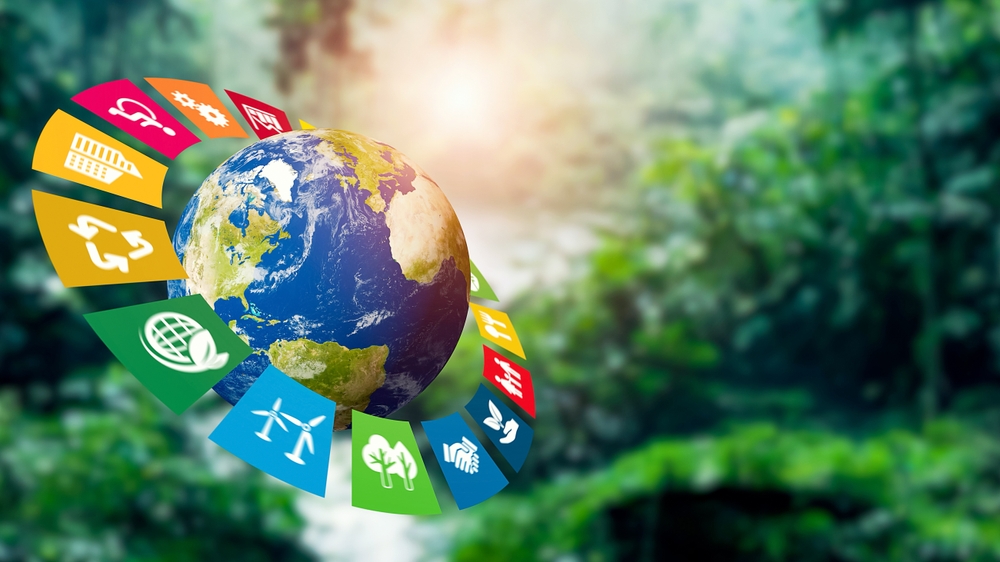
Environmental Sustainability Goals: Building a Better Future
Environmental sustainability goals set out how we can protect the natural world while meeting people’s needs today and in the future. They help governments, businesses, communities and individuals turn broad ambitions—such as tackling climate change or reducing waste—into practical, measurable action.
These goals are increasingly important as the effects of environmental pressures become more visible. Rising temperatures, habitat loss, pollution and the depletion of natural resources can affect health, livelihoods and the resilience of communities. Clear goals help focus efforts on addressing these challenges and tracking progress over time.
Cutting greenhouse gas emissions
Reducing greenhouse gas emissions is central to environmental sustainability. This means using energy more efficiently, expanding renewable power and reducing reliance on fossil fuels. It also involves changes in transport, buildings, industry and food production.
Useful targets are specific and time-bound. An organisation, for example, might set a goal to reduce emissions from its buildings by a defined percentage by a particular year. Measuring emissions regularly makes it easier to identify where progress is being made and where further action is needed.
Protecting nature and biodiversity
Healthy ecosystems provide essential benefits, from clean water and fertile soils to pollination and protection from flooding. Yet many species and habitats face growing pressure from development, pollution, climate change and unsustainable use of land and sea.
Sustainability goals can support the protection and restoration of habitats, the responsible management of natural resources and the reduction of harmful pollution. Nature-positive action should be based on local conditions and informed by ecological expertise, with progress assessed over the long term.
Using resources more responsibly
Many products are made, used briefly and then discarded. A more sustainable approach aims to reduce unnecessary consumption and keep materials in use for longer. This is often described as a circular economy.
Practical goals might include designing products to last, repairing and reusing equipment, reducing packaging and increasing the recovery of materials. Preventing waste in the first place is generally preferable to dealing with it after it has been created.
Managing water and pollution
Clean water is essential for people, wildlife and healthy ecosystems. Sustainability goals can encourage water efficiency, prevent contamination and support the protection of rivers, wetlands and coastal environments. They can also address air, soil and noise pollution, which can harm both human health and nature.
Progress depends on understanding local pressures. Water scarcity, for instance, requires different responses from water pollution or flood risk, so goals should reflect the needs of the places they are intended to serve.
Making goals fair and achievable
Environmental action works best when its benefits and costs are considered fairly. Policies and projects should take account of people who may be more exposed to pollution, climate impacts or changes in employment. Communities should have opportunities to contribute to decisions that affect their neighbourhoods and livelihoods.
Goals also need clear responsibility, reliable data and regular review. Publishing progress helps build trust and makes it possible to adjust plans when results fall short. Targets should be ambitious, but they must also be supported by realistic plans, adequate resources and accountable decision-making.
From ambition to action
Environmental sustainability is not achieved through a single target or project. It requires coordinated action across energy, transport, buildings, food, industry and land use. Governments can establish policy and infrastructure; businesses can change how products and services are designed and delivered; and communities and individuals can support more sustainable choices.
The most effective goals connect long-term ambition with practical steps that can begin now. By measuring progress, learning from evidence and working together, society can reduce environmental harm, restore natural systems and create healthier, more resilient places for generations to come.
Understanding Environmental Sustainability: Key Goals, Principles, and Examples
- What are the 17 sustainable goals?
- What are the 6 major goals of sustainability?
- What are the 4 principles of environmental sustainability?
- What are 5 examples of environmental sustainability?
- What are some examples of environmental sustainability goals?
What are the 17 sustainable goals?
The 17 Sustainable Development Goals (SDGs) are a set of United Nations goals adopted in 2015 to promote a fairer, healthier and more sustainable world by 2030. They are: No Poverty; Zero Hunger; Good Health and Well-being; Quality Education; Gender Equality; Clean Water and Sanitation; Affordable and Clean Energy; Decent Work and Economic Growth; Industry, Innovation and Infrastructure; Reduced Inequalities; Sustainable Cities and Communities; Responsible Consumption and Production; Climate Action; Life Below Water; Life on Land; Peace, Justice and Strong Institutions; and Partnerships for the Goals. Together, they address social and economic needs alongside environmental protection.
What are the 6 major goals of sustainability?
There is no single universally agreed list of six sustainability goals, but they commonly include tackling climate change, protecting biodiversity and restoring ecosystems, using natural resources responsibly, expanding access to clean and affordable energy, safeguarding water quality and availability, and supporting healthy, inclusive communities and economies. Together, these goals aim to meet people’s needs while reducing environmental harm and preserving resources for future generations.
What are the 4 principles of environmental sustainability?
There is no single universally agreed list, but four widely recognised principles of environmental sustainability are protecting biodiversity and ecosystems, using natural resources responsibly, preventing pollution and waste, and considering the needs of future generations. Together, these principles encourage people and organisations to reduce environmental harm, use resources at a rate nature can replenish, and make decisions that support both healthy ecosystems and human wellbeing over the long term.
What are 5 examples of environmental sustainability?
Five examples of environmental sustainability are switching to renewable energy, improving energy efficiency, reducing waste through reusing and recycling, protecting and restoring natural habitats, and conserving water. These actions help cut greenhouse gas emissions, preserve biodiversity and use natural resources more responsibly. They can be put into practice by individuals, businesses and communities, with the most effective approaches tailored to local needs and regularly reviewed.
What are some examples of environmental sustainability goals?
Examples of environmental sustainability goals include reducing greenhouse gas emissions, switching to renewable energy, improving energy efficiency, cutting waste and increasing reuse and recycling. Organisations and communities may also aim to conserve water, reduce pollution, protect biodiversity, restore natural habitats and source materials more responsibly. Effective goals are specific, measurable and time-bound, so progress can be monitored and plans adjusted when needed.