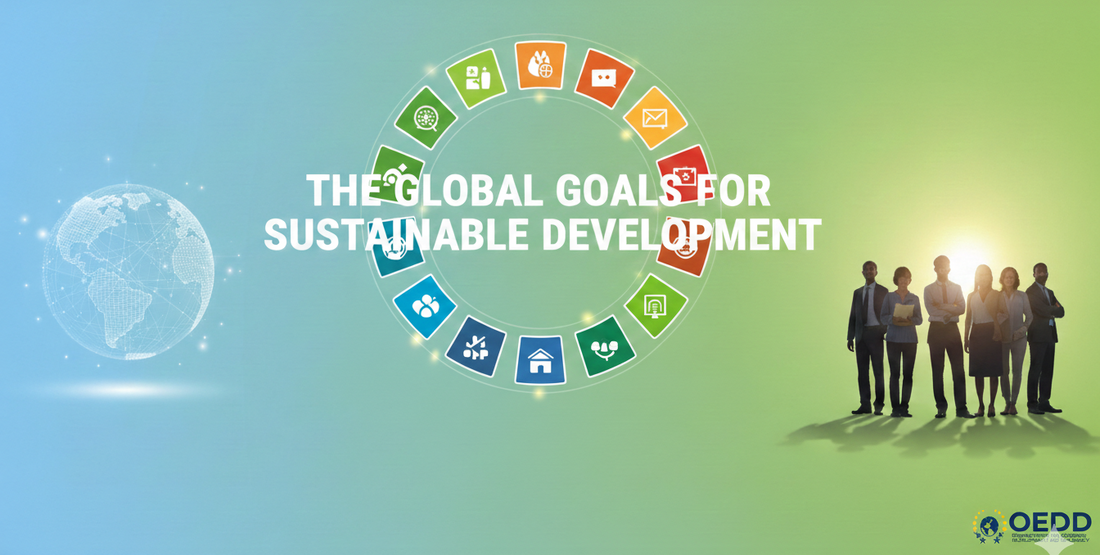
Social Development Goals: Building a Fairer, Healthier Future
Social development is about improving people’s quality of life and creating societies in which everyone can participate and thrive. It involves more than economic growth: it includes access to education and healthcare, decent work, safe housing, equality, social protection and a meaningful voice in decisions that affect people’s lives.
The United Nations Sustainable Development Goals (SDGs), adopted in 2015, provide a shared framework for tackling these challenges. The 17 goals are interconnected, combining social, economic and environmental priorities. Many focus directly on social development, while all have a bearing on people’s wellbeing and opportunities.
What social development means
Social development seeks to reduce disadvantage and remove the barriers that prevent people from reaching their potential. Those barriers can include poverty, discrimination, poor health, limited access to education, unsafe communities and a lack of secure employment. They often overlap: for example, a person’s health may be affected by their income, housing and access to local services.
Effective social development therefore looks at both individual needs and the systems that shape everyday life. It aims to ensure that essential services are accessible, that rights are respected and that people can contribute to their communities.
Social development and the Sustainable Development Goals
Several of the SDGs are closely linked to social progress:
- Goal 1: No Poverty – ending poverty in all its forms and strengthening support for people facing hardship.
- Goal 2: Zero Hunger – improving food security and nutrition, while supporting sustainable food systems.
- Goal 3: Good Health and Well-being – enabling people to access quality healthcare and live healthier lives.
- Goal 4: Quality Education – making inclusive, equitable education and lifelong learning available to all.
- Goal 5: Gender Equality – ending discrimination and violence, and expanding equal opportunities and participation.
- Goal 8: Decent Work and Economic Growth – promoting safe, fair employment and opportunities for sustainable livelihoods.
- Goal 10: Reduced Inequalities – addressing unequal outcomes and promoting the social, economic and political inclusion of all.
- Goal 11: Sustainable Cities and Communities – supporting safe, inclusive and resilient places to live.
- Goal 16: Peace, Justice and Strong Institutions – advancing peaceful societies, access to justice and accountable institutions.
These goals cannot be achieved in isolation. Better education can improve employment prospects and health awareness. Secure work can reduce poverty and improve wellbeing. Inclusive urban planning can make housing, transport and public spaces more accessible. Progress in one area can support progress in several others.
Why inclusion matters
Social progress should reach everyone, including people who are often overlooked or excluded. This means considering how policies and services affect people across different ages, incomes, abilities, backgrounds and circumstances. It also means involving communities in decisions, rather than designing solutions without their input.
The principle of “leaving no one behind” is central to the SDGs. In practice, this requires identifying who faces the greatest barriers, understanding why those barriers exist and directing resources where they can make a meaningful difference. Equal treatment does not always produce fair outcomes; some people may need additional support to access the same opportunities.
Turning goals into action
Governments have an important role in setting policy, funding public services and protecting rights. However, social development also depends on local authorities, community organisations, businesses, schools, health services and residents. Each can contribute: employers can promote fair working conditions, communities can shape local priorities, and public bodies can use evidence to improve services.
Clear targets and reliable data help track whether conditions are improving and whether progress is reaching those who need it most. Measures might include poverty rates, access to healthcare, educational outcomes, employment security, housing affordability and people’s sense of safety and belonging. Numbers are useful, but they should be complemented by people’s lived experience.
Looking ahead
Social development is a long-term effort. Economic uncertainty, conflict, climate change and unequal access to resources can make progress harder, while also increasing the need for strong communities and responsive services. The SDGs offer a common direction, but meaningful change depends on sustained commitment and practical action at every level.
A fairer future is built when people can meet their basic needs, exercise their rights and take part in shaping their communities. By connecting social priorities with wider sustainable development, societies can create conditions in which more people have the opportunity to live healthy, secure and fulfilling lives.
Five Essential Tips to Advance Social Development Goals in Your Community
- Promote equal access to education and training.
- Support affordable, reliable healthcare for everyone.
- Stand up for equality and inclusion in your community.
- Help reduce poverty by backing local support services.
- Encourage decent work and fair pay for all.
Promote equal access to education and training.
Promoting equal access to education and training helps people of all ages and backgrounds develop the knowledge and skills they need to participate fully in society. This means reducing barriers such as cost, discrimination, inaccessible facilities and limited transport, while providing inclusive learning opportunities and support for different needs. When everyone has a fair chance to learn, people can improve their employment prospects, build confidence and contribute to stronger, more equitable communities.
Support affordable, reliable healthcare for everyone.
Supporting affordable, reliable healthcare for everyone is essential to achieving social development goals and building healthier, more resilient communities. When people can access timely, high-quality care without facing financial hardship, they are better able to prevent and treat illness, remain in education or work, and participate fully in society. Strong healthcare systems should be inclusive, accessible and adequately resourced, with services designed to meet the needs of people of all ages and backgrounds.
Stand up for equality and inclusion in your community.
Standing up for equality and inclusion in your community starts with listening to people whose experiences and perspectives are often overlooked. Challenge unfair treatment when it is safe to do so, use respectful and inclusive language, and support local groups working to remove barriers to participation. Small actions—such as making community events accessible, welcoming newcomers and ensuring everyone has a voice in local decisions—can help create a fairer, more connected place for all.
Help reduce poverty by backing local support services.
Backing local support services is a practical way to help reduce poverty and advance the Sustainable Development Goals. Food banks, advice centres, community groups and employment programmes can offer vital help with essentials, benefits, housing and finding work. Donating, volunteering or supporting their work can strengthen these services and help people access timely, locally informed support when they need it most.
Encourage decent work and fair pay for all.
Encouraging decent work and fair pay for all is essential to reducing poverty, improving wellbeing and building more inclusive communities. Everyone should have access to safe working conditions, reasonable hours, equal opportunities and wages that reflect the work they do. Employers, governments and communities can support this goal by promoting fair employment practices, protecting workers’ rights and challenging discrimination, so that people can earn a secure living and participate fully in society.