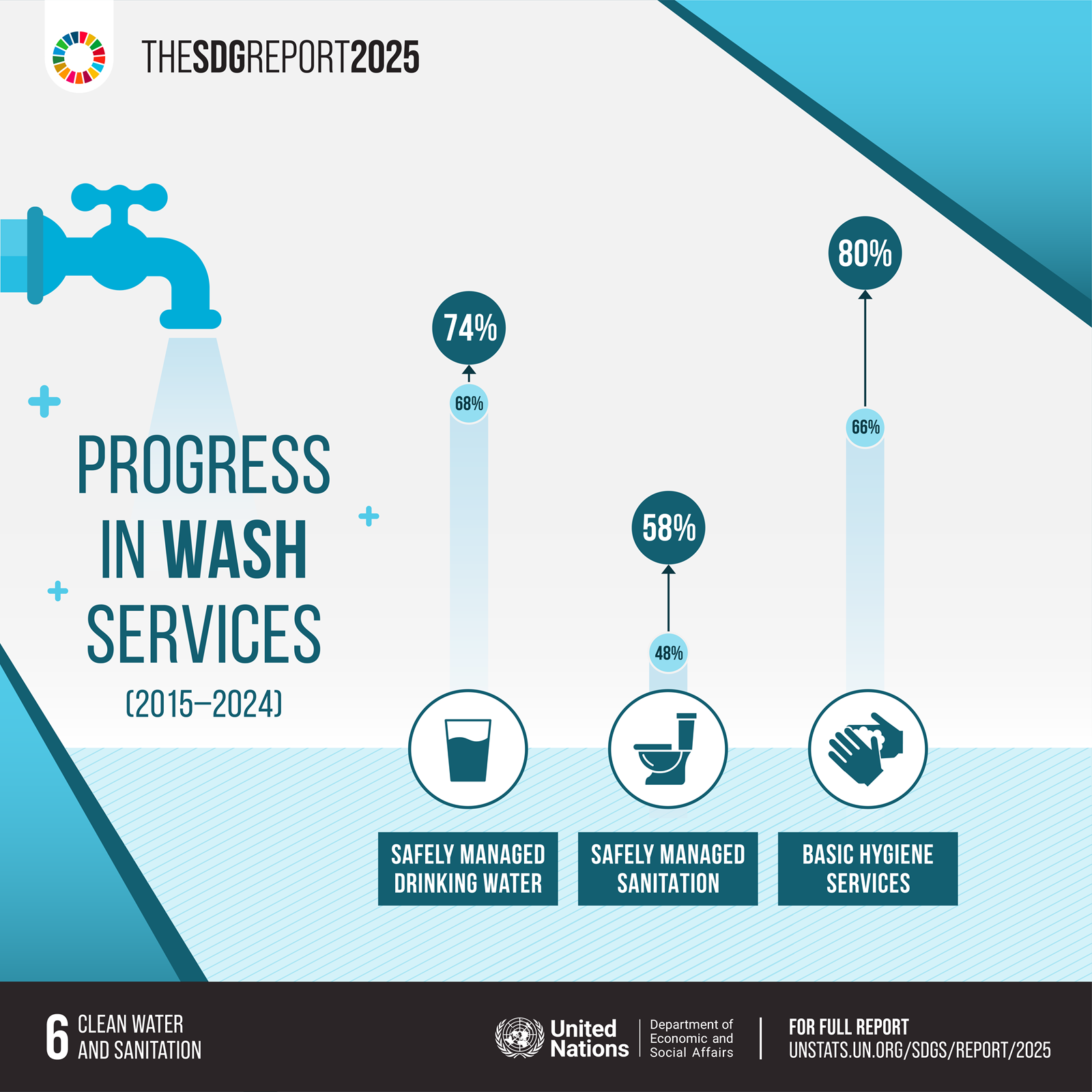
The Importance of Clean Water in Achieving the Sustainable Development Goal (SDG) 6
Clean water is a fundamental human right and a crucial component of sustainable development. The United Nations has recognised the significance of clean water by including it as one of the Sustainable Development Goals (SDG), specifically SDG 6 – Ensure availability and sustainable management of water and sanitation for all.
Access to clean water is essential for various aspects of life, including health, sanitation, agriculture, and economic development. Lack of clean water can lead to waterborne diseases, malnutrition, and hindered educational opportunities, particularly for women and children who are often responsible for collecting water in many communities.
By focusing on achieving SDG 6, we can make significant strides towards improving global health outcomes, reducing poverty, and promoting environmental sustainability. Ensuring access to clean water not only improves individual well-being but also contributes to building resilient communities that can withstand challenges such as climate change and natural disasters.
Efforts to achieve SDG 6 involve implementing policies and practices that promote efficient water management, investing in infrastructure for water supply and sanitation systems, and raising awareness about the importance of conserving this precious resource. Collaboration among governments, non-profit organisations, businesses, and local communities is essential to address the complex challenges related to clean water access.
As individuals, we can also contribute to achieving SDG 6 by adopting sustainable water consumption habits in our daily lives, supporting initiatives that aim to provide clean water to underserved populations, and advocating for policies that prioritise equitable access to this vital resource.
In conclusion, clean water is not just a basic necessity; it is a cornerstone of sustainable development. By working together towards the goals outlined in SDG 6, we can create a world where everyone has access to safe and clean water – a world where health thrives, poverty diminishes, and communities prosper.
Five Essential Tips for Supporting the Clean Water Sustainable Development Goal
- Conserve water by fixing leaks and not letting taps run unnecessarily.
- Avoid polluting water sources by properly disposing of chemicals and waste.
- Support initiatives that aim to provide clean water access to communities in need.
- Reduce plastic usage to prevent plastic pollution in water bodies.
- Educate others about the importance of clean water and sustainable water management practices.
Conserve water by fixing leaks and not letting taps run unnecessarily.
Conserving water is a crucial step towards achieving the Sustainable Development Goal (SDG) 6 of ensuring access to clean water for all. One effective way to contribute to this goal is by fixing leaks promptly and avoiding unnecessary running of taps. By taking simple actions like repairing leaks in plumbing systems and being mindful of water wastage, we can play a significant role in preserving this precious resource for current and future generations. Every drop saved through these efforts brings us closer to a world where clean water is accessible to everyone.
Avoid polluting water sources by properly disposing of chemicals and waste.
To uphold the principles of Sustainable Development Goal 6 and safeguard clean water sources, it is imperative to prevent pollution by ensuring proper disposal of chemicals and waste. By responsibly managing these substances, we can protect our water bodies from contamination and preserve the quality of this vital resource for current and future generations. This proactive approach not only contributes to achieving SDG 6 but also fosters a sustainable environment where clean water remains accessible to all.
Support initiatives that aim to provide clean water access to communities in need.
Supporting initiatives that aim to provide clean water access to communities in need is a crucial step towards achieving the Sustainable Development Goal (SDG) 6. By contributing to these efforts, we can make a tangible difference in the lives of individuals who lack access to clean water, improving their health, sanitation, and overall well-being. These initiatives not only address immediate challenges but also lay the foundation for sustainable development and resilience within communities. Through our support, we can help ensure that everyone has the basic human right of access to clean water, paving the way for a healthier and more prosperous future for all.
Reduce plastic usage to prevent plastic pollution in water bodies.
Reducing plastic usage is a crucial step in safeguarding clean water sources and preventing plastic pollution in water bodies. Plastic waste, particularly single-use plastics, poses a significant threat to aquatic ecosystems, marine life, and human health. By minimising our reliance on plastic products and embracing sustainable alternatives, we can help mitigate the harmful impact of plastic pollution on our water resources. Embracing eco-friendly practices not only supports the achievement of SDG 6 but also promotes a healthier environment for present and future generations.
Educate others about the importance of clean water and sustainable water management practices.
It is crucial to educate others about the significance of clean water and sustainable water management practices in achieving the Sustainable Development Goal (SDG) 6. By raising awareness about the importance of clean water, we can inspire individuals and communities to take proactive steps towards conserving and protecting this vital resource. Sustainable water management practices not only ensure access to clean water for all but also contribute to environmental preservation and long-term resilience. Through education and advocacy, we can empower others to make informed decisions that support a healthier future for both people and the planet.