The Future of Energy: Exploring Smart Grid Technology
In today’s rapidly evolving world, the demand for energy is constantly increasing. Traditional energy grids are struggling to keep up with this demand, leading to inefficiencies and potential disruptions in supply. This is where smart grid technology comes into play.
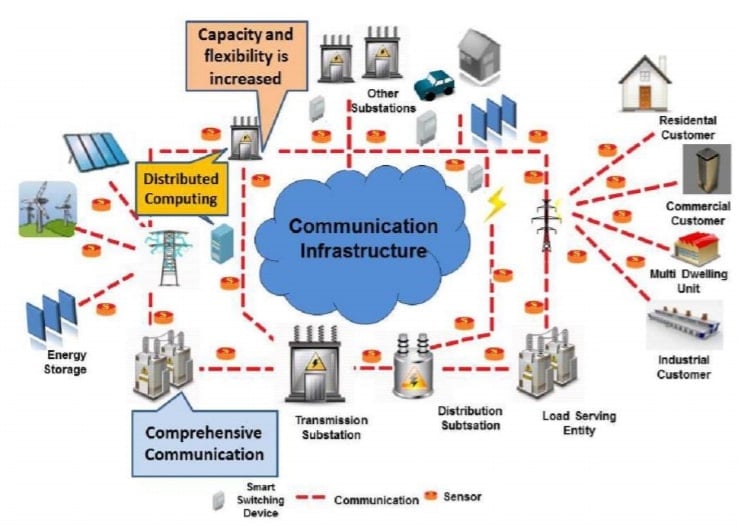
A smart grid is an advanced electrical grid system that uses modern communication and automation technologies to monitor and manage the flow of electricity efficiently. By incorporating digital communication technology, sensors, and control systems, smart grids enable real-time monitoring and control of electricity usage.
One of the key benefits of smart grid technology is its ability to improve energy efficiency. Smart grids can optimise the distribution of electricity by routing power more effectively, reducing wastage and lowering overall energy consumption. This not only helps to save costs for both consumers and utility companies but also reduces the environmental impact of energy production.
Moreover, smart grids enhance reliability and resilience in the energy supply chain. By quickly detecting and isolating faults or outages, smart grids can restore power more efficiently, minimising downtime for consumers. This increased reliability is crucial in ensuring a stable energy supply for homes, businesses, and critical infrastructure.
Another significant advantage of smart grid technology is its support for renewable energy integration. As more renewable energy sources such as solar and wind power come online, smart grids can effectively manage the variability of these sources by balancing supply and demand in real time. This integration paves the way for a cleaner and more sustainable energy future.
In conclusion, smart grid technology represents a pivotal shift towards a more efficient, reliable, and sustainable energy infrastructure. By harnessing the power of digital innovation and connectivity, smart grids have the potential to revolutionise the way we generate, distribute, and consume electricity. As we continue to embrace this transformative technology, we move closer to a greener future powered by intelligent energy systems.
Eight Advantages of Smart Grid Energy: Efficiency, Reliability, and Sustainability in Modern Electricity Distribution
- Enhances energy efficiency by optimising electricity distribution.
- Improves reliability and resilience in the energy supply chain.
- Reduces energy wastage and lowers overall consumption.
- Enables real-time monitoring and control of electricity usage.
- Supports integration of renewable energy sources for a greener future.
- Minimises downtime during power outages through quick fault detection.
- Saves costs for consumers and utility companies by reducing inefficiencies.
- Enhances environmental sustainability by lowering the carbon footprint of energy production.
Challenges and Concerns in Smart Grid Energy: Costs, Complexity, and Connectivity
- Initial high implementation costs can be a barrier for some utility companies.
- Complexity of integrating various technologies and systems into existing infrastructure.
- Potential cybersecurity risks due to increased connectivity and data exchange.
- Privacy concerns regarding the collection and sharing of consumer energy usage data.
- Dependence on reliable internet connectivity for real-time monitoring and control.
- Challenges in standardisation across different regions, leading to interoperability issues.
Enhances energy efficiency by optimising electricity distribution.
Smart grid technology offers a significant advantage by enhancing energy efficiency through the optimisation of electricity distribution. By leveraging advanced communication and automation systems, smart grids can monitor and manage the flow of electricity in real time, ensuring that power is routed more effectively to reduce wastage. This efficient distribution not only helps to lower overall energy consumption but also leads to cost savings for consumers and utility companies. By streamlining the delivery of electricity, smart grids play a crucial role in maximising energy efficiency and promoting sustainable practices in the modern energy landscape.
Improves reliability and resilience in the energy supply chain.
One significant advantage of smart grid energy is its capability to enhance reliability and resilience in the energy supply chain. By leveraging advanced communication and automation technologies, smart grids can swiftly detect and isolate faults or outages, ensuring a more robust and stable energy distribution system. This improved reliability minimises downtime for consumers and critical infrastructure, ultimately leading to a more dependable energy supply that can better withstand disruptions or challenges, thus providing greater security and continuity in electricity provision.
Reduces energy wastage and lowers overall consumption.
Smart grid technology offers a significant advantage by reducing energy wastage and lowering overall consumption. By optimising the distribution of electricity and implementing real-time monitoring and control systems, smart grids can efficiently route power to where it is needed most. This targeted approach minimises energy loss during transmission and distribution, ultimately leading to decreased overall consumption. As a result, both consumers and utility companies benefit from cost savings while also contributing to a more sustainable energy ecosystem.
Enables real-time monitoring and control of electricity usage.
One key advantage of smart grid technology is its capability to enable real-time monitoring and control of electricity usage. By leveraging digital communication technology and sensors, smart grids provide a dynamic platform for utility companies and consumers to track and manage their energy consumption instantaneously. This real-time visibility allows for more efficient allocation of electricity, empowering users to make informed decisions about their usage patterns and enabling utilities to optimise distribution networks in response to demand fluctuations. Ultimately, this feature not only enhances energy efficiency but also promotes a more sustainable and responsive energy ecosystem.
Supports integration of renewable energy sources for a greener future.
Smart grid energy systems play a crucial role in supporting the integration of renewable energy sources, paving the way for a greener and more sustainable future. By effectively managing the variability of renewable sources such as solar and wind power, smart grids enable a seamless balance between supply and demand in real time. This capability not only reduces reliance on traditional fossil fuels but also promotes the widespread adoption of clean energy technologies. Through its support for renewable energy integration, smart grid technology contributes significantly to reducing carbon emissions and combating climate change, ultimately creating a more environmentally friendly energy landscape for generations to come.
Minimises downtime during power outages through quick fault detection.
Smart grid technology offers a crucial advantage in minimising downtime during power outages through its rapid fault detection capabilities. By swiftly identifying and isolating faults in the electrical grid, smart grids can expedite the restoration of power, ensuring minimal disruption for consumers. This proactive approach to outage management not only enhances the reliability of the energy supply but also promotes greater resilience in the face of unforeseen events, ultimately leading to a more efficient and dependable electricity infrastructure.
Saves costs for consumers and utility companies by reducing inefficiencies.
One of the significant advantages of smart grid technology is its ability to save costs for both consumers and utility companies by reducing inefficiencies in the distribution of electricity. By optimising the flow of power and minimising wastage, smart grids enhance energy efficiency, leading to lower operational costs for utility companies. These savings can then be passed on to consumers in the form of reduced electricity bills, making energy more affordable and sustainable in the long run. This cost-saving benefit not only benefits individuals and businesses but also contributes to a more efficient and financially viable energy ecosystem overall.
Enhances environmental sustainability by lowering the carbon footprint of energy production.
Smart grid energy plays a crucial role in enhancing environmental sustainability by significantly reducing the carbon footprint associated with energy production. By optimising the distribution and consumption of electricity, smart grids enable a more efficient use of resources and a greater integration of renewable energy sources. This proactive approach not only lowers greenhouse gas emissions but also promotes a cleaner and greener energy landscape for future generations to benefit from.
Initial high implementation costs can be a barrier for some utility companies.
The initial high implementation costs associated with smart grid energy can pose a significant barrier for some utility companies. The investment required to upgrade existing infrastructure and deploy advanced technologies can be substantial, deterring companies with limited financial resources from adopting smart grid solutions. This financial challenge may hinder the widespread adoption of smart grid technology, limiting the potential benefits of improved efficiency and reliability that it offers. Despite the long-term cost savings and operational advantages that smart grids bring, the upfront expenses involved in their implementation remain a notable drawback for utility companies seeking to modernise their energy systems.
Complexity of integrating various technologies and systems into existing infrastructure.
The complexity of integrating various technologies and systems into existing infrastructure poses a significant challenge for the implementation of smart grid energy solutions. With traditional energy grids already in place, incorporating new digital communication technology, sensors, and control systems can be a daunting task. The need to ensure seamless compatibility and interoperability between different components and systems adds layers of complexity to the integration process. This complexity not only increases the time and cost involved in deploying smart grid technology but also requires careful planning and coordination to avoid potential disruptions to the existing energy infrastructure.
Potential cybersecurity risks due to increased connectivity and data exchange.
One significant concern associated with smart grid energy systems is the heightened cybersecurity risks stemming from increased connectivity and data exchange. As these systems rely on digital communication technologies to monitor and control electricity flow, they become vulnerable to cyber threats such as hacking, data breaches, and system manipulations. The interconnected nature of smart grids opens up potential entry points for malicious actors to disrupt operations, steal sensitive information, or even sabotage the energy infrastructure. Safeguarding against these cybersecurity risks is paramount to ensure the integrity and reliability of smart grid technology in the face of evolving digital threats.
Privacy concerns regarding the collection and sharing of consumer energy usage data.
Privacy concerns regarding the collection and sharing of consumer energy usage data present a significant con of smart grid energy technology. As smart grids rely on the collection of detailed information about individual energy consumption patterns, there is a risk that this data could be misused or compromised, leading to potential privacy breaches. Consumers may feel uneasy about their personal energy habits being monitored and shared with third parties, raising valid concerns about data security and the protection of sensitive information. Addressing these privacy issues is crucial to ensuring the ethical implementation of smart grid technology and maintaining trust between consumers and energy providers.
Dependence on reliable internet connectivity for real-time monitoring and control.
One significant drawback of smart grid energy systems is their reliance on stable and uninterrupted internet connectivity for real-time monitoring and control. In cases where internet services are disrupted or unreliable, the ability to efficiently manage and regulate electricity distribution may be compromised. This dependence on connectivity introduces a vulnerability that could potentially impact the overall reliability and effectiveness of smart grid operations, highlighting the need for robust backup systems and contingency plans to mitigate the risks associated with internet outages.
Challenges in standardisation across different regions, leading to interoperability issues.
The standardisation of smart grid technology across different regions poses a significant challenge, resulting in interoperability issues. With varying technical specifications and protocols adopted by different countries or utility companies, ensuring seamless communication and compatibility between diverse smart grid systems becomes complex. This lack of uniformity can hinder the effective integration and coordination of smart grid components, potentially impeding the overall efficiency and performance of the energy network. Addressing these standardisation challenges is crucial to unlocking the full potential of smart grid technology and realising its benefits on a global scale.